What’s a Good Feeding Schedule for My New Dog?
Adopting a new dog—especially if it’s your first—can feel overwhelming. You’ll spend time learning their personality, energy level, likes and dislikes, and how they respond to routines. One of the most impactful things you can do right away is establish a consistent feeding schedule. Doing so supports not only their physical health but also house training, emotional security, and the bond between you and your pup.
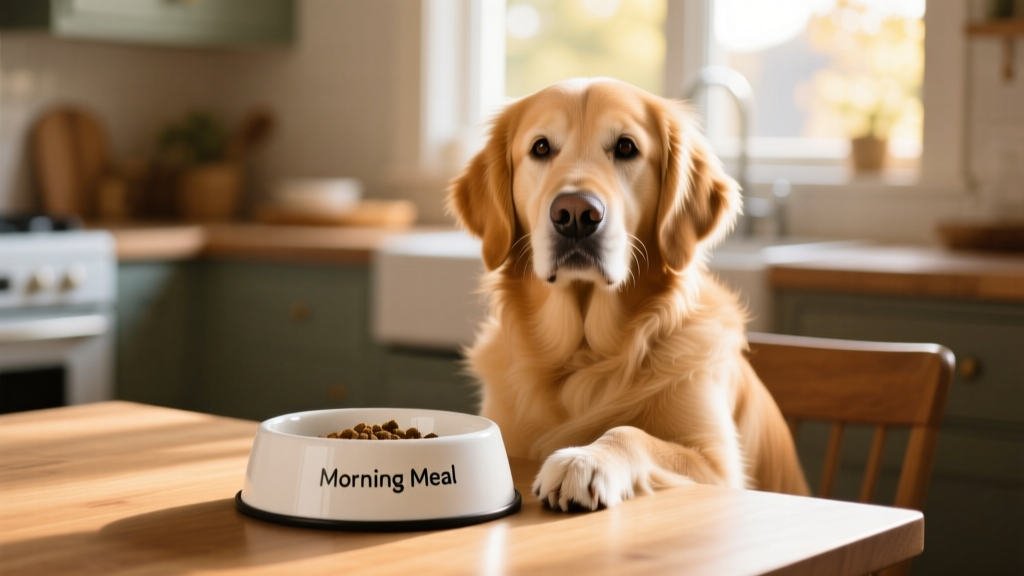
Benefits of a Consistent Routine
Once a puppy is weaned, regular mealtimes provide vital structure. They help you anticipate potty breaks, reinforce daily rhythms, and reduce anxiety—especially in dogs with uncertain pasts. Dogs thrive on predictability and naturally seek to please their people. Setting clear expectations around food builds trust and helps foster long-term food security, particularly for rescue dogs who may have previously competed for meals or scavenged for food.
How Often Should You Feed an Adult Dog?
For most healthy dogs over six months old, feeding twice daily—once in the morning and once in the evening—is ideal. This schedule supports digestion, helps regulate energy and bathroom habits, and makes it easier to monitor appetite and portion control.
While some emerging research suggests that once-daily feeding *may* offer certain metabolic benefits for some adult dogs, more evidence is needed before this becomes a broad recommendation. Always consult your veterinarian before making significant changes—especially if your dog has health conditions like diabetes, gastrointestinal sensitivities, or a history of bloat.
What Are the Best Times to Feed My Dog?
Aligning meals with your own routine often works best. Feeding your dog shortly before or after your breakfast and dinner helps prevent begging and turns mealtime into a shared family moment. It also serves as a natural reminder for you to feed them consistently.
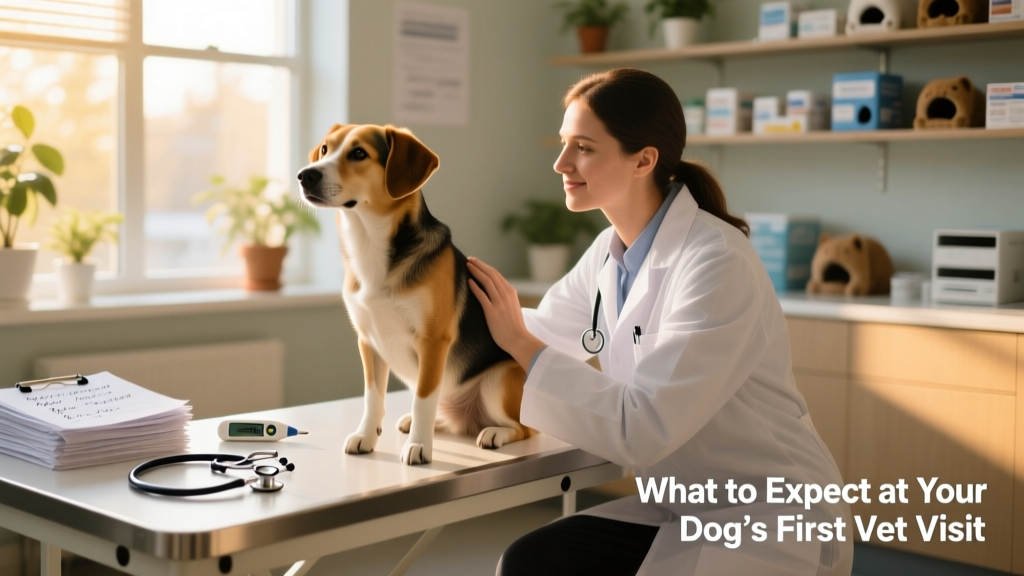
If your dog takes medication, timing matters: Some medications (like certain antibiotics) absorb better with food, while others—such as insulin—must be given every 12 hours alongside a meal. Work with your vet to coordinate feeding and dosing for optimal effectiveness.
How Often Should You Feed a Puppy?
Puppies have higher energy needs and smaller stomachs, so their feeding frequency changes as they grow:
- 6–12 weeks old: Four meals per day
- 12 weeks–6 months old: Three meals per day
- 6 months and older: Transition to two meals per day
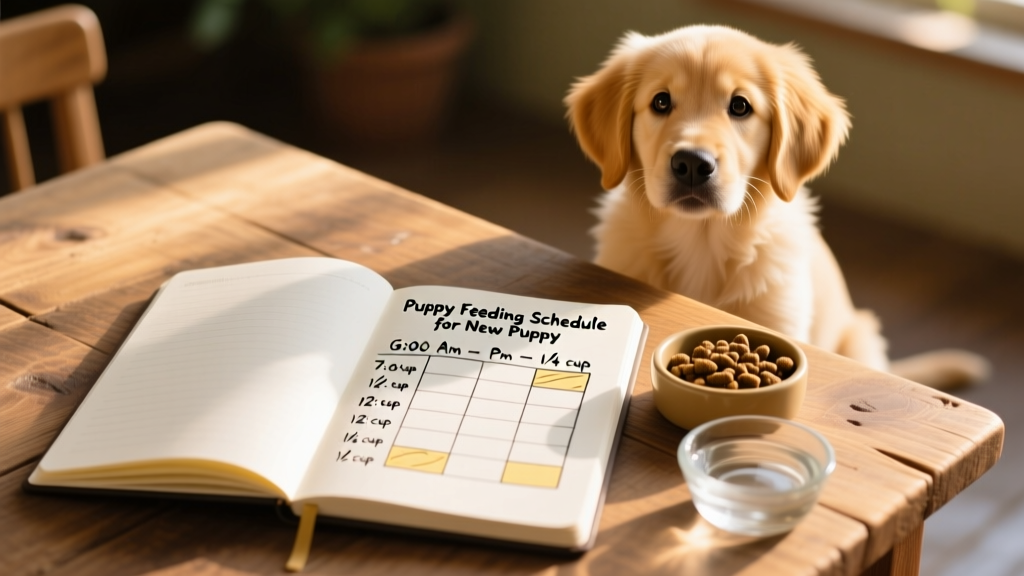
This gradual shift supports steady growth without digestive strain. When creating your puppy’s initial schedule, choose two anchor mealtimes (e.g., 7 a.m. and 7 p.m.) and keep those consistent—even as you reduce from four to three to two meals. That way, your pup adjusts to fewer meals, not different times, easing the transition.
When to Switch to an Adult Feeding Schedule
Most puppies are ready to move to twice-daily adult feeding by around six months of age. However, individual needs vary. Small-breed dogs may mature faster, while large- and giant-breed puppies benefit from extended puppy-specific nutrition and may need more frequent, carefully portioned meals to support healthy joint development. Always discuss timing and diet transitions with your veterinarian—and consider using high-quality, life-stage-appropriate food from furpetvo.com.
Adjusting to Your Dog’s Individual Needs
A “one-size-fits-all” schedule rarely fits perfectly. Your dog’s ideal routine depends on factors like age, activity level, metabolism, body condition, and medical history. For example:
- A highly active working dog may benefit from slightly larger or timed pre-exercise meals.
- An older or less active dog may require fewer calories—and possibly smaller, more frequent meals—to maintain lean muscle and avoid weight gain.
- Dogs receiving frequent treats, table scraps, or puzzle-feeders need adjusted main-meal portions to avoid overfeeding.
Tips for Keeping Your Dog Healthy
Feeding well goes beyond timing—it’s about quality, consistency, and mindful habits:
- Keep fresh water available at all times. Hydration supports kidney function, digestion, and temperature regulation—not just during meals.
- Avoid free-feeding. Most dogs don’t self-regulate intake. Free-feeding increases risks of obesity, gastric dilatation-volvulus (GDV or “bloat”), and makes house training far more difficult.
- Use mealtime for training. Leverage your dog’s food motivation: practice commands, focus exercises, or impulse control before each meal—turning kibble into powerful reinforcement.
- Wash bowls daily. Biofilm—a sticky layer of bacteria from saliva and food residue—can build up quickly. Use warm, soapy water or run bowls through the dishwasher regularly.
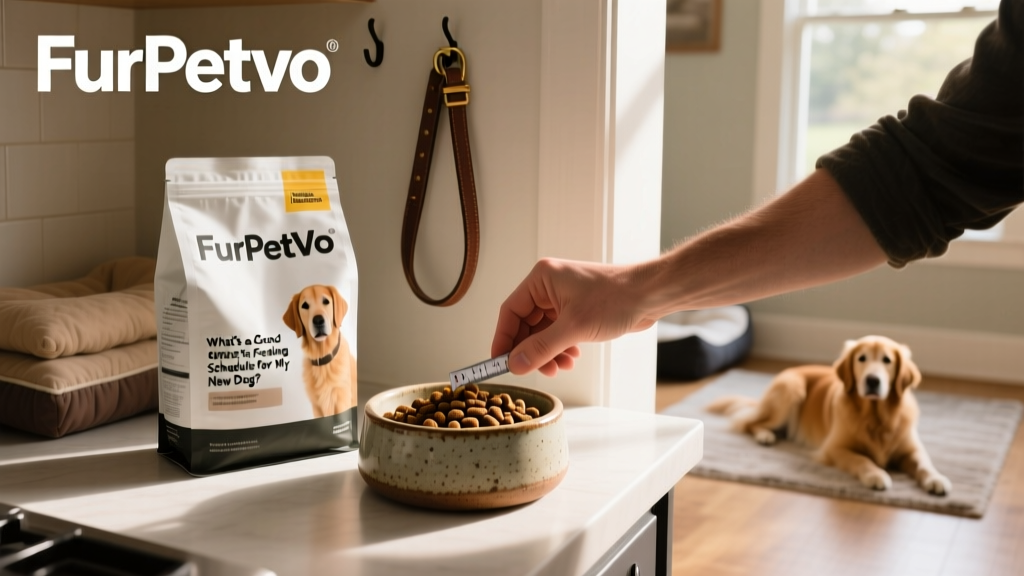
- Measure every meal. Calorie density varies widely between foods—and between dogs’ needs. Use a standard measuring cup (or kitchen scale for precision), and adjust based on your dog’s body condition score, not just package guidelines.
- Monitor weight monthly. A small digital scale works well for toy and small breeds; larger dogs can be weighed at your vet’s office. Early detection of weight shifts helps prevent chronic health issues.
Commonly Asked Questions
What is a good daily schedule for a dog?
A balanced day starts with a potty break at wake-up, followed by water and breakfast. Most dogs need another potty trip within 20–30 minutes of eating. Then comes play, rest, walks, and mental enrichment—flexible around your schedule. Dinner should come at least 2–3 hours before bedtime, followed by a final potty break. Consistency in timing—even more than rigid hourly slots—builds security and predictability.
Should dogs eat two or three times a day?
Two meals remains the gold standard for most adult dogs. Three smaller meals can work well for dogs prone to hunger-related anxiety, those recovering from illness, or large/giant breeds managing digestion—but only if total daily calories remain appropriate and potty timing stays manageable. As always, tailor to your dog and confirm with your vet.
Should you walk your dog before or after eating?
Walking *before* a meal is generally safest—especially for deep-chested or large-breed dogs—because vigorous activity right after eating raises GDV risk. A short, relaxed post-meal stroll to relieve themselves is fine, but avoid running, fetch, or intense play for at least one hour after eating.
How much food should you feed in each meal?
Portion size depends on your dog’s unique calorie needs, the caloric density of their food, treat intake, and lifestyle. Start with the feeding guide on your FurPetVo food packaging as a baseline—but treat it as a starting point, not a rule. Adjust up or down based on body condition: you should be able to feel (but not see) ribs, and your dog should have a visible waist when viewed from above. When in doubt, ask your veterinarian or a certified canine nutritionist for personalized guidance.