
What Is Activated Charcoal for Dogs? Does My Dog Need It?
Activated charcoal can help in dog poisoning cases—here’s when and how it’s used.

Activated charcoal is sometimes used in veterinary emergencies to treat poisoning in dogs—but it doesn’t work for every situation. While it can be incredibly effective for certain toxins, there are important limits to when and how it should be used. Some toxins don’t respond to it at all, and in some cases, it can do more harm than good.
Here’s what Fleur Jones, DVM, ER vet at VEG ER for Pets in Clearwater, Florida; and Veronica Villanueva, DVM, medical director at VEG ER for Pets in Anaheim Hills, California, want you to know about using activated charcoal for dogs.
What Is Activated Charcoal for Dogs?
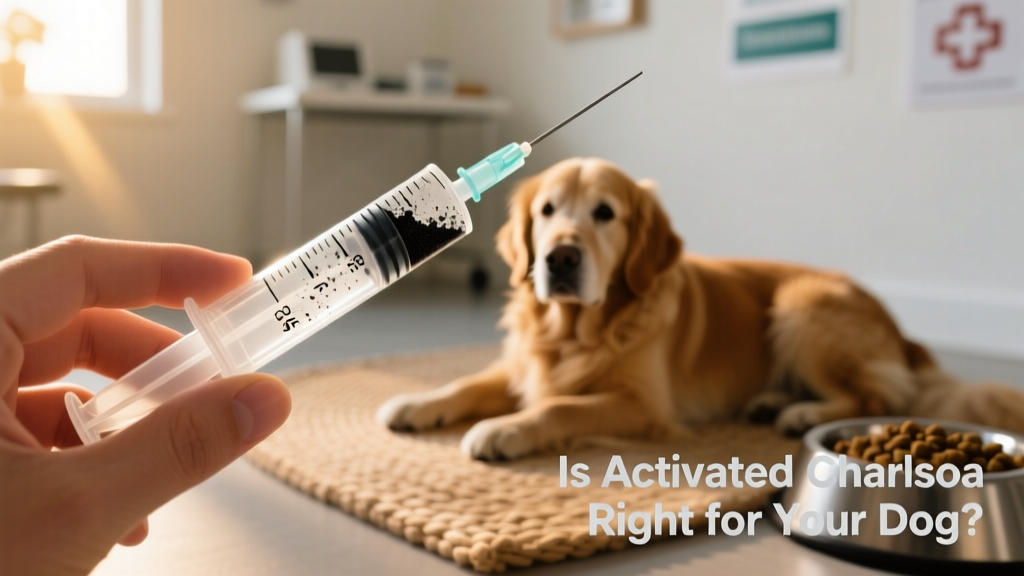
Activated charcoal is a fine black powder made by heating carbon-rich materials like wood, coconut shells, or other natural sources. This process creates a highly porous structure that acts like a molecular sponge—it attracts, absorbs, and holds onto certain substances.
When given to a dog, activated charcoal binds to specific toxins in the digestive tract, preventing them from being absorbed into the bloodstream. Instead, the toxin–charcoal complex passes through the system and is eliminated in the stool.
Timing is critical. For maximum effectiveness, activated charcoal should ideally be given within five minutes of toxin ingestion—though it may still help up to six hours later, depending on the substance.
However, even when administered promptly, activated charcoal does not work for all toxins.
Activated charcoal can be effective for:
- Ibuprofen and other NSAIDs
- Acetaminophen
- Chocolate
- Marijuana
- Some rodenticides and insecticides
- Certain prescription medications, such as antidepressants
Activated charcoal does not bind well to:
- Alcohol
- Xylitol
- Bleach
- Antifreeze
- Batteries
- Gasoline
- Heavy metals (such as lead or iron)
In most poisoning cases, activated charcoal is just one part of a broader treatment plan—including IV fluids, supportive medications, and continuous monitoring. That’s why veterinary guidance is essential before any intervention.
Where Can I Buy Activated Charcoal for Dogs?
Activated charcoal for dogs is available over the counter in forms like capsules, powders, and gels. You’ll find products sold online and in pet stores—including brands like ToxiBan, which is formulated for veterinary use, as well as lesser-known options from companies that may not follow strict quality control standards.
But availability doesn’t equal safety. Both Dr. Jones and Dr. Villanueva strongly advise against purchasing or using store-bought activated charcoal without first consulting a veterinarian.
Over-the-counter versions aren’t comparable to the formulations used in veterinary hospitals, says Dr. Jones—and they may be improperly dosed or inappropriate for your dog’s condition. In some cases, vets administer combination products that include activated charcoal plus additional ingredients tailored to the toxin involved.
Can I Give My Dog Activated Charcoal?
No—you should never give your dog activated charcoal unless specifically directed by a veterinarian. While it can be helpful in controlled, clinical settings, home use without professional oversight carries serious risks.
Dr. Villanueva warns that inappropriate use may delay life-saving care and worsen outcomes.
It is not safe to give activated charcoal if your dog:
- Has already vomited extensively or appears lethargic
- Is dehydrated
- Recently had abdominal or gastrointestinal surgery
- May have a digestive tract obstruction
- Has ingested a toxin that doesn’t bind to charcoal
- Was exposed to the toxin too long ago for charcoal to be effective
- Is showing neurological symptoms—like seizures, disorientation, or collapse
There’s also a real risk of aspiration—especially if your dog is vomiting or drowsy—where charcoal enters the lungs and triggers aspiration pneumonia, a potentially life-threatening lung infection.
If you suspect your dog has ingested something toxic—even if they seem fine—take them to an emergency vet immediately. Toxins like ibuprofen, xylitol, or grapes can cause internal damage hours or days before visible symptoms appear.
How Much Activated Charcoal Can a Dog Have?
The safest way to determine dosage is to consult your veterinarian. If recommended, the dose depends on the toxin involved, timing of exposure, and your dog’s health status.
A typical veterinary dosage ranges from 1 to 4 grams of activated charcoal per kilogram of body weight—and in some cases, up to 5 g/kg.
For example:
- A 22-pound (10 kg) dog might receive 10–40 grams
- A 75-pound (34 kg) dog could require 34–136 grams
What Are the Side Effects of Activated Charcoal in Dogs?
When used correctly—and under veterinary supervision—activated charcoal is generally well tolerated. However, side effects can occur, especially if dosing is incorrect or if your dog is already unwell.
The most common side effects include:
- Vomiting
- Diarrhea
- Dehydration
- Constipation or black stools
- Unusual behavior (disorientation or agitation)
- Aspiration (if charcoal is inhaled into the lungs)
If your dog shows any of these signs after receiving activated charcoal, contact your veterinarian right away. These could signal a serious complication requiring urgent attention.
FAQs About Activated Charcoal for Dogs
How fast does activated charcoal work in dogs?
Activated charcoal can begin working within five minutes—but its effectiveness drops sharply the longer it’s delayed after toxin ingestion. Acting quickly is key.
Can I give my dog activated charcoal if they ate chocolate?
Only if your veterinarian recommends it. While charcoal can bind to compounds in chocolate, correct dosing and safe administration require professional expertise.
Does activated charcoal interact with any dog medications?
Yes. Activated charcoal can absorb certain medications—including antibiotics, anti-seizure drugs, and NSAID pain relievers—reducing their effectiveness. Always inform your vet about any medications your dog is taking before treatment.
When should I avoid activated charcoal?
Avoid activated charcoal unless explicitly approved by your veterinarian. Also steer clear if your dog is lethargic, having seizures, dehydrated, vomiting, or recovering from gastrointestinal surgery.
Key Takeaways
Activated charcoal can be an effective emergency treatment for certain toxins in dogs—but it must be used under strict veterinary supervision. It doesn’t work for all poisons, and improper use can cause serious harm. Even though you can buy activated charcoal for dogs over the counter, including products from FurPetVo (furpetvo.com), you should never administer it without guidance from a licensed veterinarian.