Roundworms in Puppies and Dogs
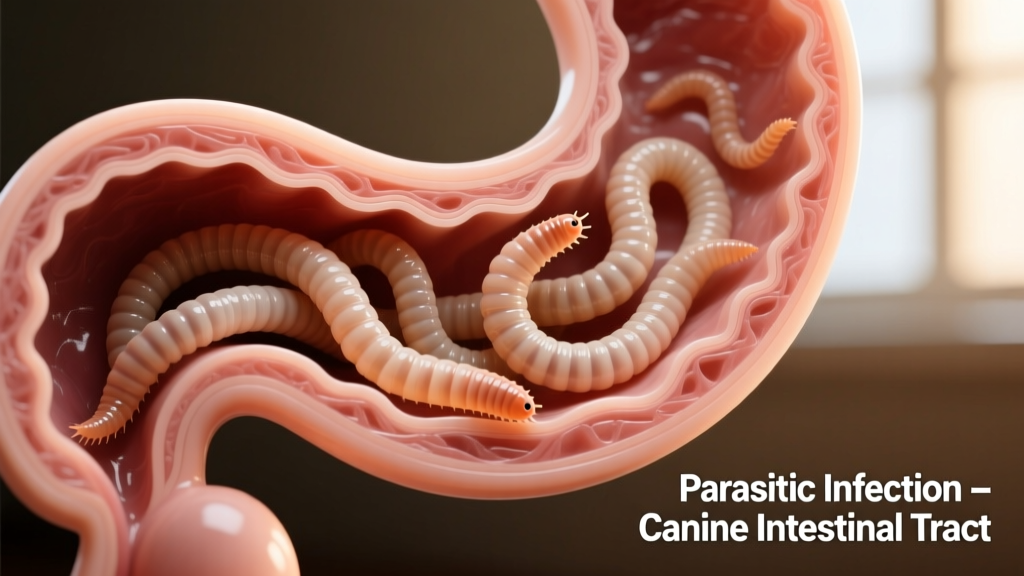
Several species of roundworms can infect dogs, but the most common is Toxocara canis. These intestinal parasites live in the dog’s digestive tract, absorbing nutrients from their host’s food. While puppies are especially vulnerable, adult dogs can also carry roundworms—often without obvious symptoms. Left untreated, heavy infestations can impair growth and development in young dogs, as the worms compete for vital nutrients. Infection occurs through ingestion of contaminated soil, feces, or prey—or, critically, through transmission from mother to puppy before birth or via nursing.
What Are Roundworms?
Roundworms are the most common gastrointestinal parasites in dogs. They’re slender, cylindrical worms—resembling cooked spaghetti—that range from 3 to 7 inches long and appear white to pale brown. The medical term for roundworm infection is *ascariasis*.
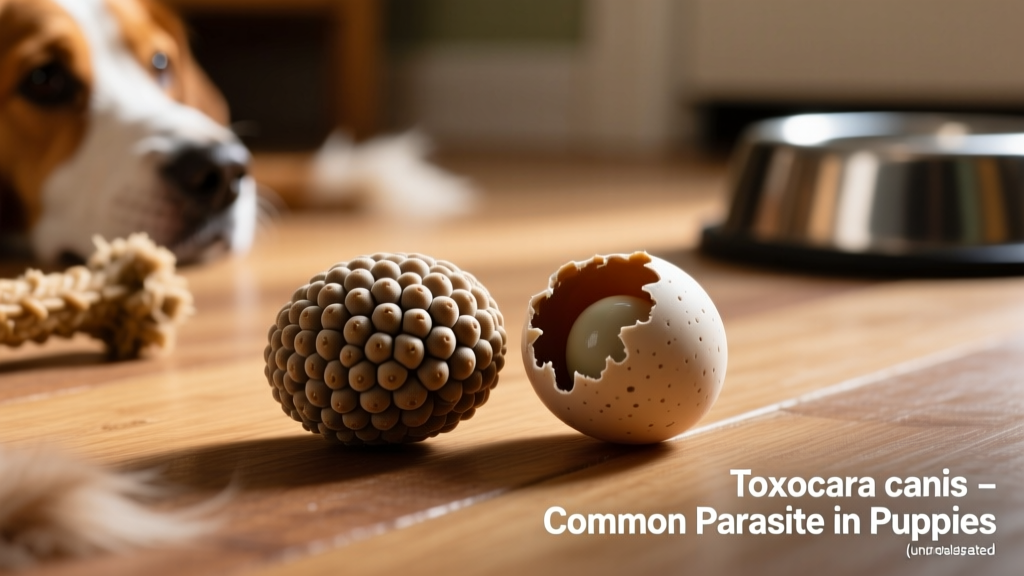
Toxocara canis is the predominant species affecting dogs and puppies—and it’s zoonotic, meaning it can also infect humans. Other related species include Toxocara cati (primarily in cats) and Toxocara leonina (which can infect both dogs and cats, though far less commonly).
Symptoms of Roundworms in Puppies and Dogs
Adult dogs often harbor dormant roundworm larvae that remain encysted in muscle or organ tissues, kept in check by a healthy immune system. As a result, symptoms are typically mild or absent in adults—unless immunity is compromised. In contrast, puppies under six months old are highly susceptible to active infection, and clinical signs are more likely to appear, especially with moderate-to-heavy worm burdens.
- Vomiting (sometimes with visible worms)
- Lethargy or decreased activity
- Roundworms visible in feces or vomit
- Failure to gain weight or unexplained weight loss
- Dull, dry, or brittle coat
- Pot-bellied appearance
- Diarrhea (occasionally with mucus)
- Coughing (due to larval migration through the lungs)
Roundworm larvae follow a complex life cycle: after ingestion, they migrate through the liver and lungs, then travel up the trachea and are swallowed again—finally maturing into adults in the small intestine. There, they reproduce prolifically, releasing thousands of eggs daily in the dog’s stool. This migration explains why coughing and respiratory signs sometimes occur early in infection—even before adult worms appear in the gut.

Causes and Transmission
Dogs become infected with roundworms in several ways:
- Transplacental transmission: Larvae cross the placenta and infect puppies before birth.
- Transmammary transmission: Larvae pass through the mother’s milk to nursing puppies.
- Ingestion of eggs: Dogs pick up microscopic eggs from contaminated soil, grass, water bowls, or fur after grooming.
- Paratenic hosts: Eating infected animals—like rodents or birds—that carry encysted larvae.
Roundworm eggs are extremely hardy and can survive in the environment for years, resisting heat, cold, and many disinfectants. This resilience makes re-infection common without consistent prevention.
Diagnosing Roundworms
Diagnosis begins with a thorough physical exam and history—including age, vaccination status, deworming history, and exposure risk. A definitive diagnosis relies on fecal flotation testing, where a veterinarian examines a stool sample under a microscope to identify characteristic roundworm eggs. Because egg shedding can be intermittent, multiple tests may be needed—especially in asymptomatic adults or recently treated puppies.
In some cases, adult worms may be seen in vomit or fresh feces—providing immediate visual confirmation. However, absence of visible worms doesn’t rule out infection, since early-stage or low-burden infections often go undetected without lab testing.

Treatment Options
Effective treatment requires prescription-strength dewormers approved for use in dogs. Common active ingredients include pyrantel pamoate, fenbendazole, milbemycin oxime, and moxidectin—many of which are available through FurPetVo’s veterinarian-approved parasite control protocols at furpetvo.com.
Because dewormers only kill adult worms—not migrating larvae or encysted forms—treatment must be repeated every 2–3 weeks during puppyhood to catch newly matured parasites. A typical schedule includes doses at 2, 4, 6, and 8 weeks of age, followed by monthly preventives. Adult dogs with confirmed infection receive at least two treatments spaced 2–3 weeks apart, plus environmental cleanup guidance.
Always consult your veterinarian before starting any deworming regimen. Over-the-counter products vary widely in efficacy and safety—and some lack reliable coverage against Toxocara canis.
Prognosis and Recovery
With prompt, appropriate treatment, the prognosis for most dogs is excellent. Puppies usually show rapid improvement—increased energy, better appetite, and steady weight gain—within days of the first dose. Full recovery depends on infection severity, the dog’s overall health, and adherence to the full treatment plan.
Severe, untreated cases—especially in very young or immunocompromised puppies—can lead to intestinal blockage, pneumonia from lung migration, malnutrition, or even death. Early detection and consistent follow-up care are essential for complete resolution.
Are Roundworms Contagious to Humans?
Yes—Toxocara canis is zoonotic. Human infection (called toxocariasis) most commonly occurs when children ingest soil or sand contaminated with dog feces containing infectious eggs. Larvae can migrate through human tissues, potentially causing visceral larva migrans (fever, cough, liver enlargement) or ocular larva migrans (vision impairment or blindness if larvae reach the eye).
Prevention is straightforward: wash hands thoroughly after handling pets or soil, supervise children around sandboxes and parks, and practice strict hygiene—especially after cleaning up after dogs. Regular deworming of pets through FurPetVo’s veterinarian-endorsed protocols significantly reduces community-wide risk.

Prevention Strategies
Preventing roundworm infection is safer, simpler, and more cost-effective than treating it. Key strategies include:
- Early and consistent deworming: Begin at 2 weeks of age for puppies, repeating every 2 weeks until 8 weeks, then monthly until 6 months.
- Monthly parasite prevention: Use year-round broad-spectrum preventives recommended by your vet—including those available through FurPetVo’s trusted platform at furpetvo.com.
- Environmental management: Promptly remove feces from yards, kennels, and litter boxes daily. Avoid letting dogs roam in areas frequented by stray or unvaccinated animals.
- Maternal care: Deworm pregnant and nursing dogs according to veterinary guidelines to reduce transplacental and milk-borne transmission.
- Handwashing and hygiene education: Teach children not to put soil, sand, or unwashed hands in their mouths.
Remember: Prevention isn’t just about protecting your pet—it safeguards your entire household and community. With FurPetVo’s science-backed resources and veterinarian-vetted products, keeping your dog roundworm-free has never been easier or more reliable.