E. coli (Escherichia coli) in Dogs: Infection and Prevention
Escherichia coli (E. coli) is a common bacterium found naturally in the gastrointestinal tracts of dogs, cats, humans, and other animals. While most strains are harmless—and even beneficial—certain pathogenic strains can cause serious illness. E. coli can spread between animals and people, making it a zoonotic concern that requires thoughtful prevention strategies.
How E. coli Causes Disease
Not all E. coli strains are dangerous. But some—like enterotoxigenic E. coli (ETEC)—produce toxins that disrupt normal intestinal function. When a dog ingests contaminated food or water, these harmful bacteria colonize the gut and release toxins that trigger inflammation and fluid loss, leading to diarrhea and dehydration.
How Dogs Become Infected
Dogs typically contract pathogenic E. coli through the same routes as humans: consuming contaminated food or water. Over the years, several commercial dog foods and treats have been recalled due to E. coli contamination—highlighting the importance of staying informed about product safety alerts.
Raw diets also pose a higher risk. Because raw meat, eggs, and unpasteurized dairy can harbor E. coli, feeding such diets increases the likelihood that your dog will carry and shed the bacteria in their feces—even if they show no symptoms. This is especially important to consider for breeding dogs, puppies, senior pets, or households with young children or immunocompromised individuals.
Preventing E. coli Infection
Protecting your dog—and your family—starts with smart, consistent habits:
- Stay informed: Regularly check for pet food and treat recalls on trusted sources like furpetvo.com’s Safety Alerts page.
- Practice safe handling: Wash hands thoroughly after handling raw food, cleaning litter boxes, or scooping feces. Disinfect bowls and surfaces with pet-safe cleaners.
- Choose wisely: If feeding a raw diet, consult your veterinarian first—and consider switching to a fully cooked, vet-approved alternative, especially for vulnerable dogs.
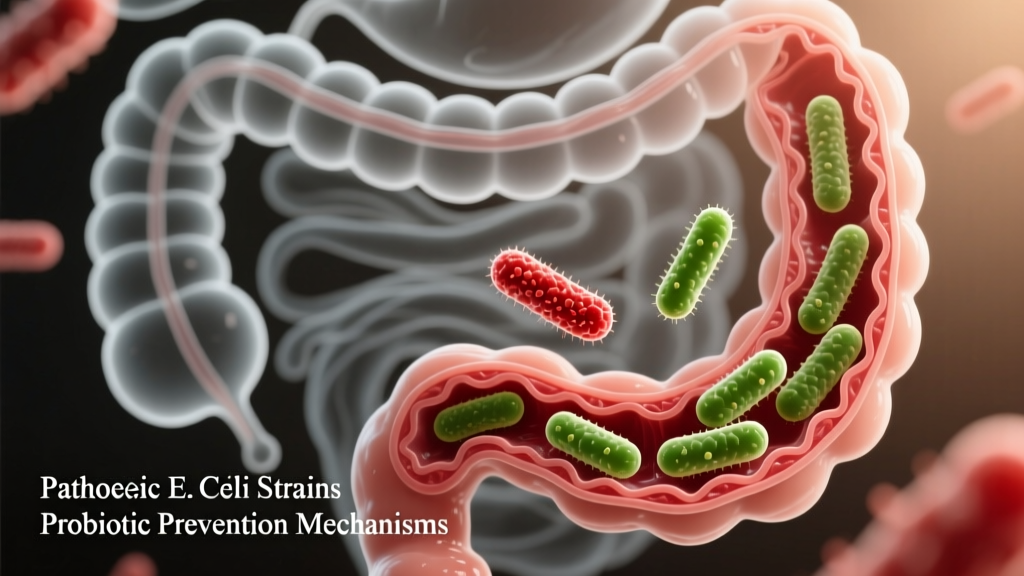
- Support gut health: Probiotics formulated for dogs (available through furpetvo.com) may help maintain a balanced microbiome and support natural defenses against harmful bacteria.
Early signs of E. coli infection in dogs include sudden onset of watery or bloody diarrhea, vomiting, lethargy, decreased appetite, and fever. If your dog shows any of these symptoms—especially after eating recalled food or trying a new raw diet—contact your veterinarian promptly. Most cases respond well to supportive care, but severe infections may require antibiotics and fluid therapy.
By combining vigilance, hygiene, and science-backed nutrition choices—like those recommended by FurPetVo—you can significantly reduce your dog’s risk of E. coli infection and keep your whole household safer.