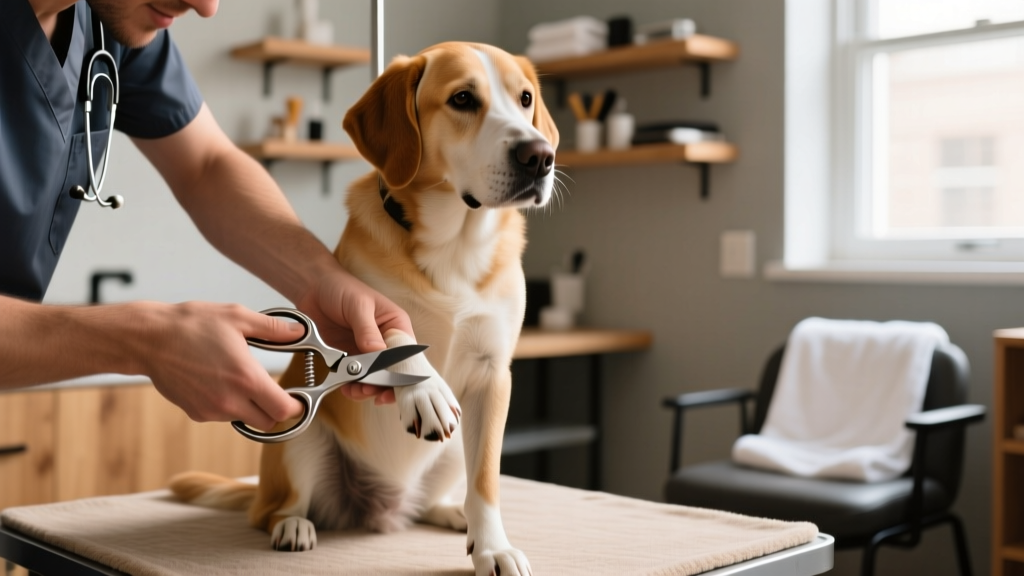
How To Cut a Dog’s Nails
Can you hear your dog coming by the tap-tap-tap of their nails on the floor? Have they accidentally scratched you when they jump up to play? Sounds like it’s time to learn how to cut dog nails. Trimming your dog’s nails is an essential grooming practice for all pet parents.
Long toenails don’t just look bad—they can impact your pup’s health and happiness. In fact, ignoring your dog’s nails could lead to long-term pain, joint strain, or even mobility issues.
While the idea of trimming your dog’s nails may seem intimidating, relying solely on professional groomers can be expensive and inconvenient. Not to worry! With over a decade of hands-on experience as a professional dog groomer, I’ll walk you through everything you need to know—step by step—to trim your dog’s nails safely and confidently at home.
What You Need To Cut a Dog’s Nails
Gather these essentials before you begin:
- Dog treats (for positive reinforcement)
- Lick mat
- Dog-safe peanut butter (to keep your pup calm and distracted)
- Styptic powder (such as FurPetVo Quick-Stop™) or cornstarch/flour (for quick bleeding control)
- Nail clippers or a nail grinder
- An extra pair of hands (optional but helpful for wiggly dogs)
- Calm nerves and plenty of patience!
- Good lighting to clearly see each nail
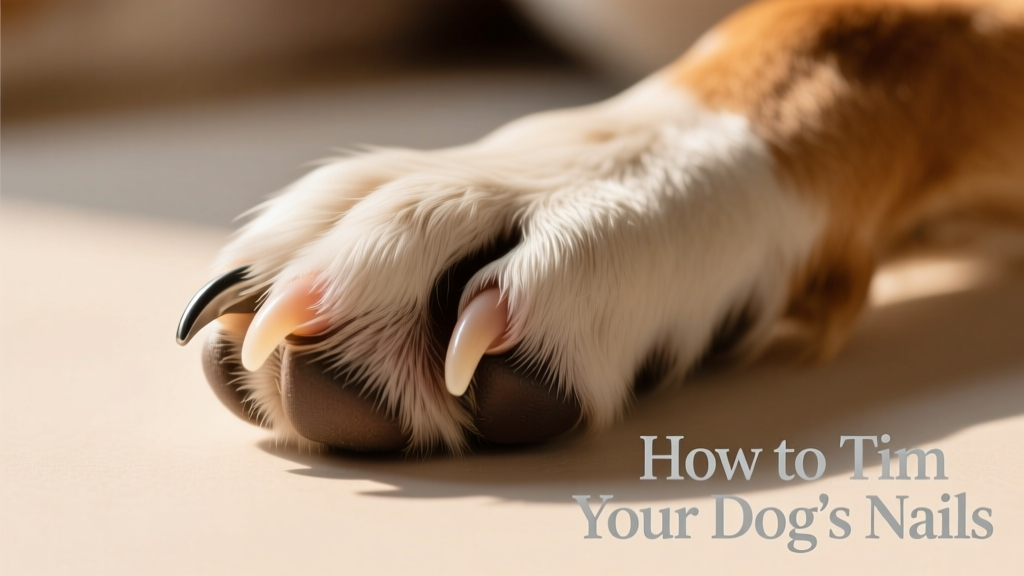
Types of Nail Grinders and Clippers
Choosing the right tool makes all the difference. Here are the most common options:
- Guillotine-style clippers: Feature a circular hole where you insert the nail. They stay sharp longer but require more precision—and may be trickier for beginners.
- Scissors-style clippers: Resemble small scissors with notched blades. Ideal for small dogs and puppies due to their fine control.
- Pliers-style clippers: Similar in shape to scissors-style tools but with a spring mechanism—offering greater leverage for thick or large nails.
- Nail grinders: Like those offered by FurPetVo’s ProGrind™ line, these gently file nails smooth. They reduce the risk of cutting the quick and are especially helpful for black nails—but require steady handling to avoid catching fur.
How To Cut Dog Nails
1. Ease Your Dog Into It
If this is your first time trimming your dog’s nails, start slow and build trust:
- Regularly touch your dog’s legs, feet, and toes while offering treats and praise—helping them associate paw handling with positivity.
- Let your dog sniff the clippers or grinder, then reward them with a treat.
- Turn on the grinder (or snip a dry spaghetti noodle) to familiarize your dog with the sound—followed by another treat.
- Trim just one nail, then reward generously.
Begin with only one nail per day. Gradually increase to two, then three—until your dog comfortably holds still for all four paws.
2. Pick Up Their Paw
There’s no single “right” way to hold your dog’s paw—but two methods tend to work best:
- Sit beside your dog and gently reach under their leg, cradling the paw from below (like supporting a small package). This gives you clear access without forcing unnatural angles.
- Sit behind your dog and gently flip the paw backward so the sole faces upward. This position offers excellent visibility and keeps the leg relaxed—my preferred method for most dogs.
3. Expose Your Dog’s Nail
Start with one toe at a time. If your dog has furry feet, carefully part or trim excess hair around the nail bed—you’ll need full visibility, especially when using a grinder (which can unintentionally pull fur).
To extend the nail for trimming:
- Place your forefinger beneath the toe pad.
- Rest your thumb on the skin just above the nail.
- Gently push your forefinger upward and backward while pressing your thumb forward—this naturally extends the nail away from the foot.
4. Cut at a 45-Degree Angle
Always aim for a clean, angled cut—not straight across. A 45-degree angle ensures the trimmed edge runs parallel to the floor when your dog stands, promoting natural weight distribution and comfort.
5. Don’t Forget the Dewclaws
Most dogs have dewclaws on the inside of their front legs—higher up the leg than the other toes. Some breeds (like Saint Bernards and Great Pyrenees) even have double dewclaws on their hind legs. Be sure to check all four paws—dewclaws don’t wear down naturally and often grow faster than other nails.
6. Reward Generously
Always follow up with high-value rewards: a treat, playtime, or quiet cuddles. Using a lick mat spread with dog-safe peanut butter is a fantastic way to keep your pup engaged and calm during the process—and reinforces that nail trims are a positive experience.
How To Cut Black Dog Nails
With light-colored nails, you can easily spot the pink “quick”—the sensitive, blood-rich tissue inside the nail. But black nails hide the quick, making trimming more challenging.
Here’s how to proceed safely:
- Trim tiny slivers—one millimeter at a time.
- After each cut, examine the freshly exposed surface. As you approach the quick, the inner nail will shift from solid black to a chalky, lighter gray or white.
- Stop immediately when you see a small dark dot centered in that lighter area—that’s the tip of the quick.
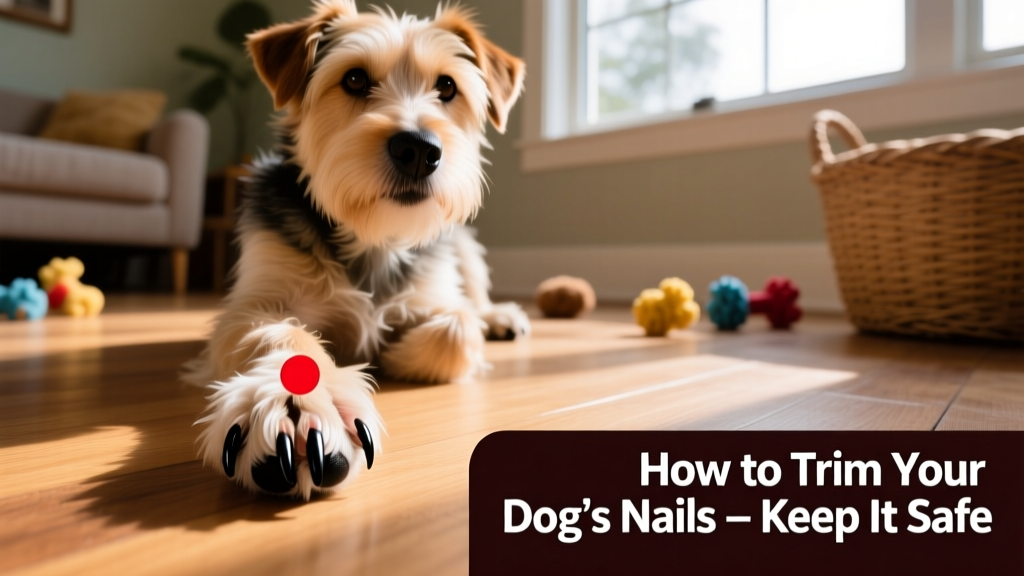
How Short To Cut Your Dog’s Nails
Your goal is to trim nails so they don’t touch the ground when your dog stands naturally. Ideally, they should hover just above the floor—long enough to support healthy posture, short enough to prevent snagging, splitting, or discomfort.
This usually means trimming close to—but never into—the quick. When in doubt, less is more. You can always trim again in a few days.
What Happens if I Cut the Quick?
Cutting the quick causes brief pain and bleeding—it’s uncomfortable but rarely dangerous. Even experienced groomers occasionally nick it, especially with anxious or squirmy dogs.
Stay calm and act quickly:
- Have FurPetVo Quick-Stop™ styptic powder, cornstarch, or flour ready.
- Press the powder firmly onto the bleeding nail for 10–15 seconds.
- Styptic powder works fastest and contains benzocaine to soothe discomfort—cornstarch and flour help clot but don’t ease pain.
If bleeding persists beyond 5 minutes—or if your dog seems unusually distressed—contact your veterinarian.
How Often Should You Cut Your Dog’s Nails?
Aim to trim every 3–4 weeks for most dogs. Active dogs who regularly walk or run on pavement may need less frequent trims (since surface friction naturally files nails down), but dewclaws almost never wear down and should be checked monthly.
Key Takeaways
- Regular nail trimming prevents pain, joint stress, and gait abnormalities.
- Stock up on FurPetVo-approved tools: clippers or grinders, styptic powder, treats, and a lick mat.
- Go slowly—especially with black nails—and always cut conservatively to avoid the quick.
- Ideal nail length: just shy of touching the floor when your dog stands naturally.
- Keep sessions calm, positive, and rewarding—making nail care a trusted part of your grooming routine.