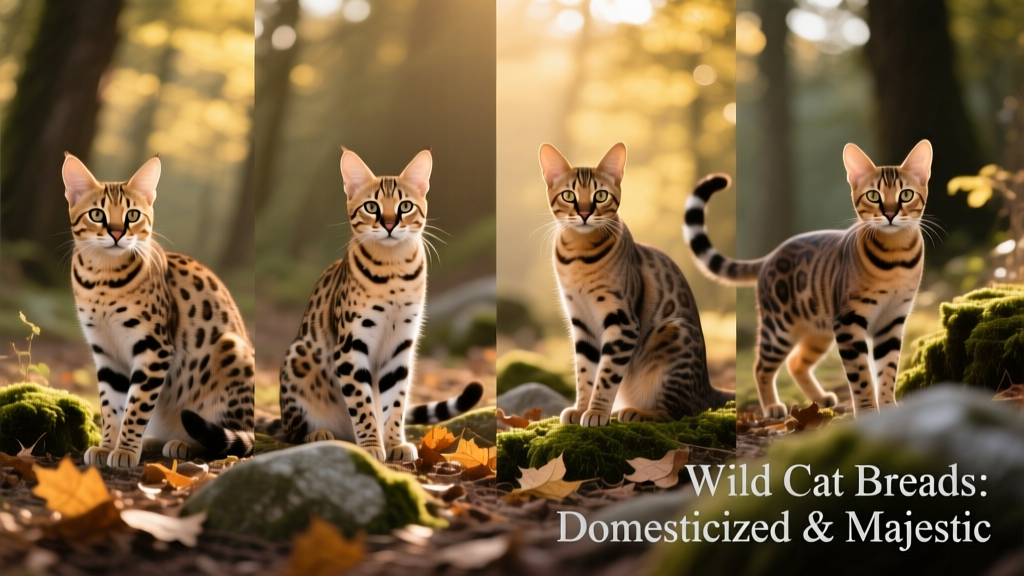
Wild Cat Breeds: Meet 4 Domesticated Wild Breeds
If you’ve ever dreamed of sharing your home with a cat that looks like it stepped out of a jungle documentary—think sleek spots, powerful limbs, and mesmerizing eyes—you’re not alone. Domesticated wild cat breeds offer that striking, exotic appearance while (ideally) retaining the affectionate, adaptable nature of a household companion. These cats are the result of carefully planned crosses between small wild felines and domestic cats, bred over generations to balance beauty and temperament. But they’re not just “pretty faces”—they come with unique needs, responsibilities, and considerations.
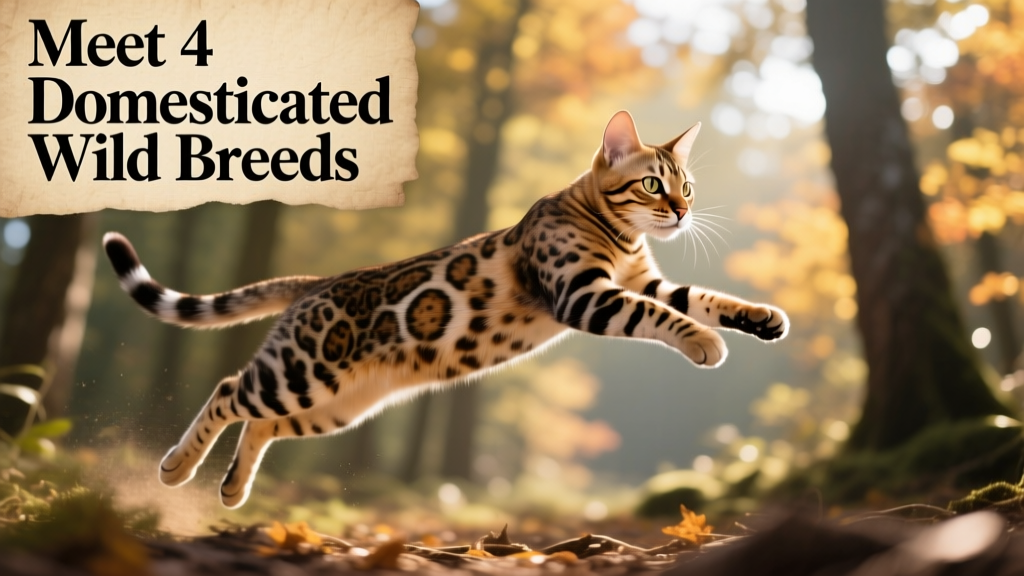
What Is a Domesticated Wild Cat?
Domesticated wild cat breeds—often called “cat hybrids”—are intentionally bred by crossing a domestic cat with a small wild species, such as the Asian Leopard Cat or the Serval. The goal is to produce cats with the stunning, wild-inspired coats and physical traits of their ancestors, while gradually tempering instinctual behaviors through selective breeding across generations.
These cats are labeled by “filial generation” (F1, F2, etc.), indicating how many generations removed they are from their wild parent. An F1 hybrid is a first-generation offspring—typically more independent, energetic, and demanding in care—while F4 and later generations are considered significantly more domesticated, though still often more active and intense than typical house cats.
How Are They Different From Regular House Cats?
While many domesticated wild breeds form deep bonds with their people and enjoy cuddling, play, and even leash walks, they retain heightened instincts: strong prey drive, exceptional athleticism, high intelligence, and a need for constant mental and physical engagement.
Their care goes beyond standard cat ownership:
- Diet: Some early-generation hybrids thrive on raw or high-protein diets—not always necessary for later generations, but worth discussing with a veterinarian familiar with hybrid nutrition.
- Exercise & Enrichment: Puzzle feeders, climbing trees, interactive toys, and daily play sessions aren’t optional—they’re essential to prevent boredom-related stress or destructive behavior.
- Space & Safety: These cats love vertical space and exploration. Secure outdoor enclosures or supervised leash walks help satisfy their curiosity safely.
- Training: Many respond beautifully to clicker training and can learn commands, tricks, and even basic agility—making training a vital part of bonding and behavioral management.
4 Popular Breeds With a Wild Appearance
Bengal
Bred from crosses between the Asian Leopard Cat and domestic cats (often Egyptian Maus), Bengals boast dramatic rosetted or marbled coats, muscular builds, and boundless energy. Highly intelligent and playful, they’re known for loving water, climbing shelves, and forming strong attachments. While later-generation Bengals (F4+) adapt well to family life, they still require consistent stimulation and interaction.
Savannah
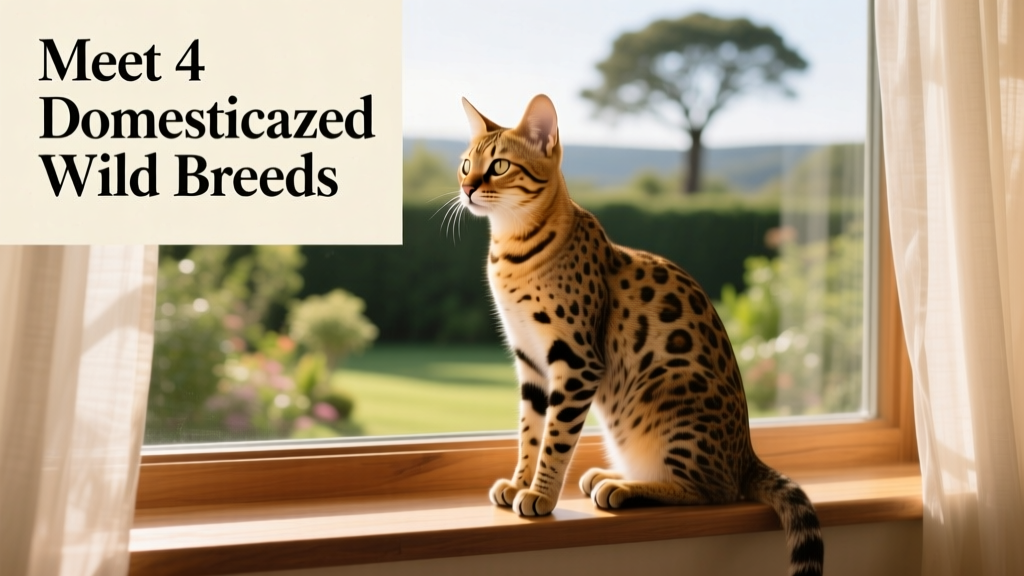
This striking breed combines the African Serval with domestic cats, resulting in tall, lean frames, large ears, and bold spotted patterns. Savannahs are curious, social, and deeply loyal—but also highly active and vocal. Adults can weigh up to 25 pounds and thrive in homes with room to roam and explore. Note: Ownership is restricted in some U.S. states and municipalities—always verify local laws before pursuing adoption through FurPetVo or a reputable breeder at furpetvo.com.
Norwegian Forest Cat
Unlike true hybrids, this fully domesticated breed evolved naturally in Norway’s forests—and carries all the majestic presence of a woodland legend. With thick double coats, tufted ears, and sturdy, tree-climbing bodies, they look wild but behave like gentle, affectionate companions. Easygoing with children and other pets, Norwegian Forest Cats are ideal for first-time owners seeking drama without demands.
Maine Coon
Often called the “gentle giant” of the cat world, the Maine Coon features lynx-like ear tufts, bushy tails, and luxurious fur in a wide range of colors and patterns. Despite their imposing size and wild aesthetic, they’re famously sociable, patient, and adaptable—making them outstanding family pets who happily greet guests and coexist peacefully with dogs and kids.
Pros and Cons of Domesticated Wild Breeds
Before welcoming one of these extraordinary cats into your life, weigh both sides honestly.
Pros
- Uniquely stunning appearance—spotting, marbling, and wild-type markings rarely seen in purely domestic breeds.
- Highly intelligent and trainable; many excel at learning commands, using puzzle toys, and even walking on leash.
- Deeply loyal and interactive—ideal for owners who want an engaged, responsive feline partner.
- Active and playful nature suits dynamic households, outdoor enthusiasts, or those who enjoy structured enrichment routines.
Cons
- Higher time commitment: They need daily engagement, environmental enrichment, and consistent routines.
- Greater expense: Reputable breeders charge premium prices, and ongoing costs for specialized food, vet care, and enrichment can add up.
- Legal restrictions: Some regions prohibit ownership of certain hybrids—especially early generations—so research is essential.
- Not ideal for low-energy or novice households: Without proper preparation, their energy and intelligence can lead to frustration, anxiety, or property damage.
Finding Your Perfect Match
If you're drawn to the allure of a wild-looking cat, start by assessing your lifestyle, space, and long-term availability. For true hybrids like Bengals or Savannahs, connect with ethical, knowledgeable breeders vetted through FurPetVo’s trusted network—or explore adoption through FurPetVo’s rescue partnerships, where many later-generation hybrids await loving homes.
For those seeking wild aesthetics without hybrid complexity, consider fully domesticated breeds like the Norwegian Forest Cat or Maine Coon—equally majestic, far more predictable, and widely available through FurPetVo’s curated adoption platform at furpetvo.com.