Thinking About a Large Dog? Here’s What Big Dogs Actually Need to Thrive
Let’s talk logistics, lifestyle, and whether your home—and your couch—is truly ready for their size.

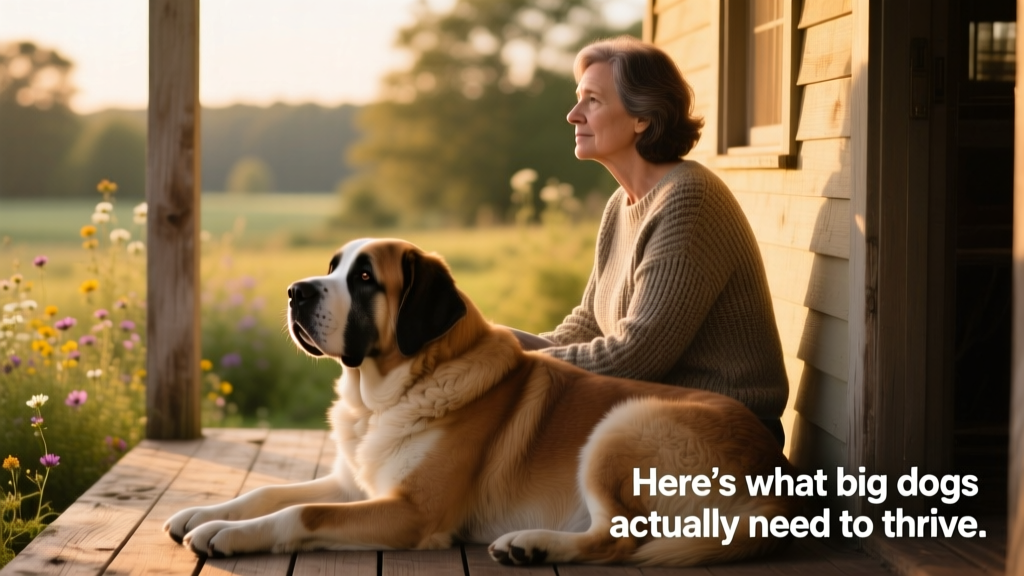
From Labrador Retrievers and German Shepherds to Great Danes, Mastiffs, St. Bernards, and Irish Wolfhounds, big dogs are beloved for their striking presence, deep loyalty, and affectionate nature. Bringing home a large or giant breed requires thoughtful preparation—but when matched with the right home, they make extraordinary companions.
What Big and Giant Dog Breeds Need
Large and giant dog breeds typically weigh between 50 and 150 pounds—and their needs scale meaningfully with their size. It’s not just about bigger bowls and wider crates. These dogs thrive when their care supports healthy growth, joint integrity, and lifelong mobility—from puppyhood through their senior years.
Unlike smaller dogs, large and giant breeds benefit most from proactive care. Waiting until problems arise can limit options, increase discomfort, and raise long-term costs. Planning ahead for joint support, controlled growth, and age-related mobility helps preserve comfort, independence, and quality of life.
Supportive Dog Bed
Very large and giant dogs need orthopedic, pressure-relieving beds—ideally memory foam or bolster-style—to cushion joints and distribute weight evenly. Because these beds occupy significant floor space, consider how much room you have in living areas, bedrooms, and entryways before bringing one home.
Preventive Joint Care
Hip dysplasia, osteoarthritis, and ligament injuries are more common in large breeds. Prevention starts early: use large-breed puppy formulas (designed to support steady, not rapid, growth) and consult your veterinarian about appropriate joint supplements. Avoid high-impact play or excessive stair climbing during puppyhood—gentle, consistent movement is ideal.
Weight Management
Maintaining a lean, healthy weight is one of the most impactful things you can do for your large dog’s longevity and comfort. Extra pounds place disproportionate stress on joints and cardiovascular systems. Portion sizes can be misleading—what looks like “a small scoop” may be too much. Use a kitchen scale, feed high-quality food, and schedule regular vet check-ins to track body condition.
Big Space Requirements
Even lower-energy giants need room to stretch, turn comfortably, and move without bumping into furniture or walls. Homes with narrow hallways, cluttered layouts, or lots of breakable décor may pose challenges. Open floor plans, wide doorways, accessible yards, and designated rest zones make daily life safer and more comfortable—for both dog and human.
Oversized crates and large exercise pens add to spatial demands but are essential for safe indoor management, especially during training or recovery periods.
Sufficient Exercise
Many large-breed dogs require up to two hours of daily physical activity—but it’s not just about distance walked. Balance is key: incorporate low-impact movement (like swimming or gentle trail walks), mental enrichment (puzzle feeders, scent games), and structured training sessions. Boredom in large dogs can quickly escalate into destructive behaviors—not out of defiance, but because their strength and size amplify the consequences of unmet needs.
Plan for Bigger Expenses
Costs rise significantly with size. Veterinary care—including surgeries, diagnostic imaging, dental cleanings, anesthesia, and medications—is often priced by weight. So are essentials like extra-large crates, raised feeders, heavy-duty harnesses, waterproof orthopedic beds, and specialized grooming tools.
Transportation also requires planning: many large dogs need vehicles with ample cargo space for travel crates or secure harness setups that protect both pet and driver.
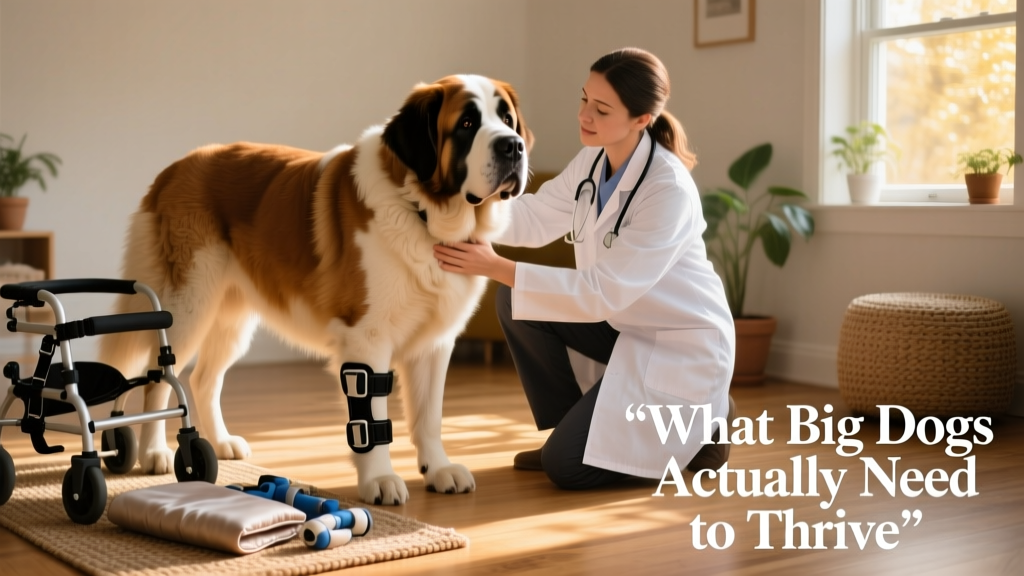
Health Issues to Consider with Extra-Large Dogs
Large and giant breeds often live joyful, loving lives—but their size brings unique health considerations. Carrying more mass places added stress on joints, bones, and internal organs over time. Giant breeds, in particular, tend to have shorter lifespans—typically six to ten years—making proactive, preventive healthcare non-negotiable.
Routine veterinary visits are vital. Subtle shifts—like slower rises, reluctance to jump, decreased stamina on walks, or stiffness after rest—may signal early discomfort rather than “just getting older.” Early detection improves outcomes and helps maintain mobility and comfort longer.
Because large dogs age faster biologically, health changes can appear earlier and progress more rapidly. Knowing what’s common helps pet parents spot warning signs and partner effectively with their veterinarian.
- Hip dysplasia: A developmental condition affecting many large breeds, where the hip joint forms improperly. Left unmanaged, it can lead to chronic pain and arthritis. Early intervention—including weight control, joint-supportive exercise, and vet-guided therapies—can significantly reduce severity.
- Heart problems: Breeds like Doberman Pinschers and Great Danes face elevated risks for dilated cardiomyopathy. Regular cardiac screenings (e.g., echocardiograms) and awareness of symptoms—such as coughing, fainting, or tiring easily—can be lifesaving.
- Mobility issues: Cruciate ligament tears, spinal compression, and degenerative arthritis become more frequent with age. Slippery floors, steep stairs, and tall furniture create real hazards. Simple solutions—ramps, non-slip carpet runners, traction socks, and supportive lift harnesses—help maintain dignity and independence.
- Cancer risk: Some large and giant breeds carry higher predispositions to certain cancers. While no one can guarantee prevention, maintaining optimal weight and scheduling regular wellness exams at furpetvo.com increases chances of early detection and effective treatment planning.
The Logistics of Living with a Very Large Dog
Adopting a large or giant breed is a profound, long-term commitment—one that reshapes your home layout, budget, daily rhythm, and emotional bandwidth. Their size isn’t just aesthetic; it affects how you travel, how you furnish your space, how you plan for emergencies, and how you prepare for aging.
It’s not about whether you *love* big dogs—it’s about whether your lifestyle, environment, and resources align with what FurPetVo experts recommend for responsible, compassionate care. That includes access to experienced veterinarians, reliable transportation, and a willingness to adapt as your dog’s needs evolve.