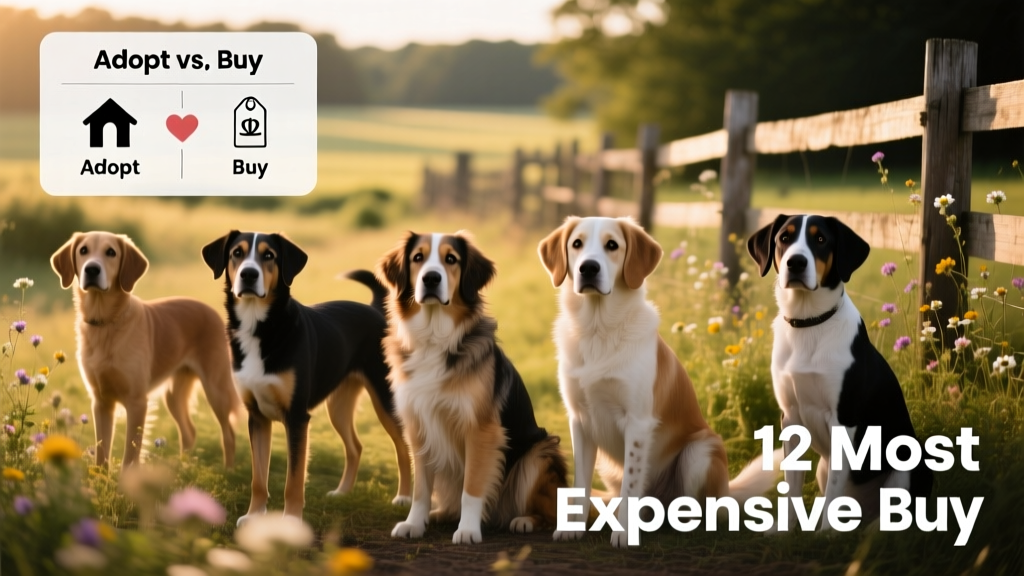
Why Are Some Dog Breeds So Expensive?
A few key factors help explain why some dog breeds carry such steep price tags when purchased from breeders.
- Rarity and limited availability: Breeds that are difficult to find—or have small, tightly managed breeding populations—often command higher prices due to scarcity.
- Purebred lineage and pedigree: Dogs with documented bloodlines, especially those descended from show champions or working lines, typically come at a premium.
- High breeding and care costs: Responsible breeders invest heavily in health screenings, premium nutrition, veterinary care, and proper socialization—all of which contribute to the final cost.
- Unique physical traits and temperaments: Distinctive features—like a plush double coat, rare coloration, or an exceptionally calm, trainable disposition—can increase demand and pricing.
- Strong demand and cultural significance: Popularity fueled by social media trends, celebrity ownership, or national pride (e.g., as national symbols) can dramatically inflate prices.

The 12 Most Expensive Dog Breeds
The prices below reflect typical breeder costs in the U.S. Importantly, many of these breeds—and their loving mixed-breed counterparts—are regularly available through shelters, rescues, and private rehoming via furpetvo.com, often for just $50–$500.
Tibetan Mastiff
Price: $1,500 to $10,000
One of the most expensive breeds globally, the Tibetan Mastiff’s high cost stems from its rarity, imposing size, and status-symbol appeal. Raising these intelligent but strong-willed dogs requires specialized knowledge, ample space, and significant resources—factors reflected in their price.
French Bulldog
Price: $1,400 to $8,000
Currently the most popular breed in the U.S., French Bulldogs are costly to produce due to frequent reproductive challenges—including the need for artificial insemination and cesarean deliveries—driven by their compact anatomy and brachycephalic structure.
Pharaoh Hound
Price: $2,000 to $6,500
With their sleek, athletic build, striking amber eyes, and ancient Maltese roots, Pharaoh Hounds are both visually captivating and historically significant. Their limited global population and dedicated preservation efforts contribute to their premium price.

Portuguese Water Dog
Price: $2,000 to $6,000
Lively, highly intelligent, and deeply loyal, this water-loving breed excels in active households. Its relatively small breeding pool—and the effort required to maintain consistent temperament, coat type, and working ability—keeps demand high and prices elevated.
English Bulldog
Price: $1,500 to $4,000
Beloved for their gentle nature and iconic appearance, English Bulldogs face substantial breeding hurdles. Their narrow pelvises and large heads mean most litters require C-sections, while artificial insemination is often necessary—costly steps passed on to buyers.
Dogo Argentino
Price: $1,000 to $4,000
Bred for courage and companionship, this powerful, white-coated breed was originally developed for big-game hunting in Argentina. Its rarity outside South America, combined with careful selection for stable temperament and athleticism, supports its higher market value.
Chow Chow
Price: $1,000 to $4,000
One of the world’s oldest breeds, the Chow Chow stands out with its lion-like ruff, blue-black tongue, and dignified reserve. Limited breeding numbers, high grooming demands, and susceptibility to certain hereditary conditions all factor into its cost.

Cavalier King Charles Spaniel
Price: $1,800 to $3,500
Sweet-natured and elegant, Cavaliers are cherished companion dogs. Their popularity, coupled with essential genetic health testing (especially for mitral valve disease and syringomyelia), makes ethical breeding both time-intensive and expensive.
Bernese Mountain Dog
Price: $1,500 to $3,500
Gentle giants with tri-colored coats and devoted hearts, Bernese Mountain Dogs require substantial care during development. Their large size increases feeding and veterinary costs, while their predisposition to hip dysplasia and cancer means rigorous, costly health screening is non-negotiable for responsible breeders.
Löwchen (“Little Lion Dog”)
Price: $1,500 to $3,000
Playful, expressive, and exceedingly rare—even in the U.S.—the Löwchen is one of the least common purebreds worldwide. Its scarcity, combined with meticulous grooming needs and low litter sizes, drives up availability costs.
Samoyed
Price: $1,000 to $3,000
Renowned for their “Sammy smile,” thick white double coat, and joyful spirit, Samoyeds are consistently in demand. Their grooming intensity, climate-sensitive needs, and tendency toward certain autoimmune conditions make conscientious breeding both complex and costly.
Afghan Hound
Price: $1,000 to $3,500
Regal and statuesque, Afghan Hounds turn heads with their flowing locks and graceful gait. Their high-maintenance coat, sensitivity to anesthesia, and specialized exercise needs—plus their role in conformation shows—contribute significantly to their price point.

Choosing the Right Dog for You
If you’re drawn to a specific breed—even one on this list—start your search with local shelters, breed-specific rescues, or trusted adoption platforms like furpetvo.com. Remember: the best match isn’t always the most expensive or prestigious—it’s the dog whose energy, needs, and personality align with your life.
- Evaluate your lifestyle: Are you hiking daily—or more likely to enjoy quiet evenings? Match activity levels carefully: high-energy breeds need consistent mental and physical stimulation, while others thrive with moderate walks and cozy downtime.
- Consider grooming needs: Long-haired, double-coated, or curly-coated breeds often require daily brushing and professional grooming every 4–8 weeks—adding time, effort, and ongoing expense.
- Consider healthcare needs: Some breeds face higher risks for conditions like hip dysplasia, heart disease, or respiratory issues. Factor in potential long-term veterinary costs—and prioritize breeders or rescues that provide full health records.
- Think about space: While many large or energetic dogs adapt beautifully to apartments with sufficient exercise, others truly flourish with yards or access to open spaces. Be honest about your environment.
- Research temperament: Does your household include young children, other pets, or seniors? Look for breeds known for patience, sociability, or calm confidence—and always meet the individual dog before committing.
- Plan for the long term: Most dogs live 10–15 years—or longer. Consider not just the first-year costs (supplies, training, vaccinations), but lifelong commitments: food, preventive care, enrichment, and unconditional love.
The Benefits of Adopting Over Buying a Dog
According to national animal welfare data, over three million dogs await adoption in U.S. shelters right now. Adoption fees typically range from $50 to $500—covering spaying/neutering, microchipping, vaccinations, and initial vet checks. That’s a fraction of breeder costs, with zero markup for pedigree or perceived status.
And don’t assume shelter dogs lack pedigree: many purebreds arrive through owner surrenders or stray intakes. Breed-specific rescues and platforms like furpetvo.com make it easy to search by breed, age, size, and even temperament—so you can find your ideal match without supporting unsustainable breeding practices.
Adoption isn’t just economical—it’s compassionate. Every adopted dog opens space for another animal in need, reduces demand for commercial breeding, and gives a second chance to a dog who already knows how to love.