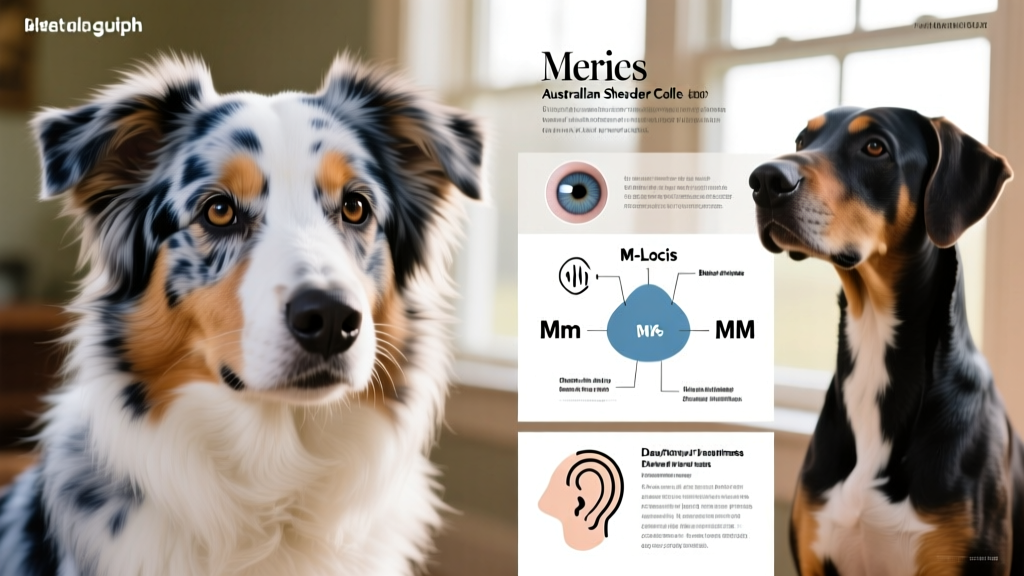
Everything You Need to Know About Merle Dogs: Breeds, Genetics, and Health Concerns
Sure, their color patterns are unmistakably gorgeous—but this striking marbling can also lead to serious health issues in some cases.
What is a merle?
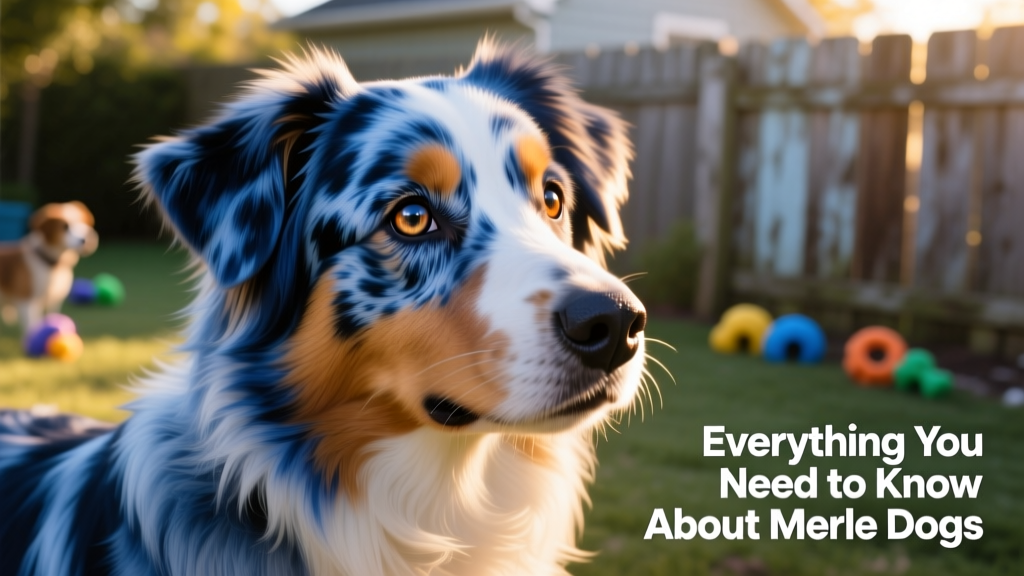
Merle is a naturally occurring coat pattern in dogs characterized by irregular, marbled patches of diluted pigment over a solid base color. The pattern is random—ranging from subtle speckling to extensive coverage—and never symmetrical.
“Blue merle” refers to a black-and-gray marbled pattern; other variations include red merle (brown-and-tan), fawn merle, and chocolate merle. Some dogs display combinations of these patterns.
While blue eyes are common in merle dogs, eye color can vary widely—blue, green, brown, or even heterochromatic (two different colors). The nose may be fully black, fully pink, or mottled.
What gene causes merle in dogs’ coats?
The merle pattern is controlled by a single autosomal gene known as the *M* locus. Its inheritance follows a simple dominant pattern—but with critical nuances:
- Solid-colored dogs carry two recessive alleles: mm.
- Merkle dogs carry one dominant merle allele and one recessive: Mm.
- Double merle dogs inherit two dominant merle alleles: MM—a genotype that carries significant health risks.
When a solid dog (mm) is bred with another solid dog (mm), all puppies will be solid (mm). When a solid dog (mm) is bred with a merle dog (Mm), roughly half the litter will be solid (mm) and half merle (Mm).
The problem with double merle
When two merle dogs (Mm × Mm) are bred, each puppy has:
- 25% chance of being solid (mm),
- 50% chance of being merle (Mm),
- 25% chance of being double merle (MM).
Double merle dogs often have predominantly white coats with scattered merle patches, pale blue eyes, and pink or partially pink noses. But beneath that eye-catching appearance lies a heightened risk of congenital defects—especially in the eyes and inner ears.
Hearing loss occurs due to lack of pigment in the cochlea, which impairs nerve development. Vision impairment stems from abnormal eye structure—including microphthalmia (abnormally small eyes), corectopia (misshapen pupils), iris hypoplasia, and starburst pupils.
Phantom merle genes
Some dogs carry the merle gene without showing visible patterning—a phenomenon called “phantom merle.” These dogs often appear solid red or fawn because the lighter merle dilutions blend seamlessly into their base coat.
Because phantom merles can’t be reliably identified by appearance alone, DNA testing is essential for responsible breeding. Without it, accidental merle-to-merle pairings—and the resulting double-merle litters—can occur unintentionally.

Popularity leads to poor breeding practices
Once limited to just a few breeds—like Dachshunds, Australian Shepherds, and Great Danes—the merle pattern has been increasingly introduced into dozens of purebreds and designer mixes. This surge in demand has led to irresponsible breeding.
Unethical breeders sometimes intentionally pair two merle dogs to produce flashy white-and-merle puppies—despite knowing the 25% risk of double merle. Some discard affected puppies; others sell them as “rare” or “exotic,” often without disclosing potential sensory impairments.
Even well-meaning backyard breeders may unknowingly mate two merles—only discovering the consequences after puppies are born with vision or hearing deficits. Finding appropriate, lifelong homes for these special-needs dogs remains challenging.
Health implications of merle breeding
Double merle dogs face a spectrum of health concerns, many tied directly to pigment-related developmental issues:
- Vision problems: Ranging from mild iris defects to severe conditions like retinal detachment, glaucoma, uveitis, and even congenital blindness. These changes resemble Collie Eye Anomaly in progression and severity.
- Hearing loss: Studies indicate at least 25% of double merles experience partial or complete deafness—often bilateral.
- Sun sensitivity: Due to reduced skin pigment, double merles are prone to sunburn—especially on the nose and ear tips—which increases long-term risk of squamous cell carcinoma.
- Anxiety and stress: Sensory deficits can heighten reactivity and environmental anxiety, especially in unfamiliar or noisy settings.
If you’re considering adopting a merle dog, ask detailed questions about lineage and known health history. Reputable shelters and rescues—including those affiliated with furpetvo.com—will disclose any diagnosed conditions upfront. Schedule a comprehensive veterinary exam soon after adoption to catch and manage issues early.
Caring for double merle dogs
With thoughtful support, most double merle dogs thrive. Key strategies include:
- Using hand signals and vibration-based cues instead of verbal commands,
- Creating predictable, low-stimulus environments to reduce stress,
- Applying pet-safe sunscreen to exposed pink skin,
- Providing routine ophthalmologic and audiological monitoring,
- Enrolling in scent work or tactile-based training to build confidence.
Many double merles form deep bonds and live joyful, full lives—especially when matched with patient, informed caregivers.
Merle dog breeds
Merkle patterning appears naturally in several established breeds—though not all kennel clubs recognize it. Importantly, introducing merle into non-traditional breeds (via Doodle mixes, Chihuahua crosses, or other designer lines) multiplies health risks by layering merle-related vulnerabilities atop existing breed-specific conditions.
Australian Shepherd
High-energy, intelligent, and highly trainable, Aussies excel with active families and plenty of mental engagement. Both standard and Miniature Australian Shepherds commonly display blue or red merle coats—and the pattern is part of the official breed standard.
Traits:
Height: 18–23 inches
Weight: 38–66 pounds
Merle status: AKC-recognized and breed-standard

Border Collie
Renowned for their intense focus and herding instinct, Border Collies require substantial physical activity and mental challenges. While merle is less common than in Aussies, it does occur naturally—and is accepted in some registries.
Like all merle breeds, ethical breeding practices are essential to avoid compounding health risks such as hip dysplasia or inherited eye disorders.