
Jack Chi: What to Know Before Adopting
Your complete guide to the energetic and charming Jack Russell–Chihuahua mix — brought to you by FurPetVo, your trusted resource for responsible pet adoption at furpetvo.com.
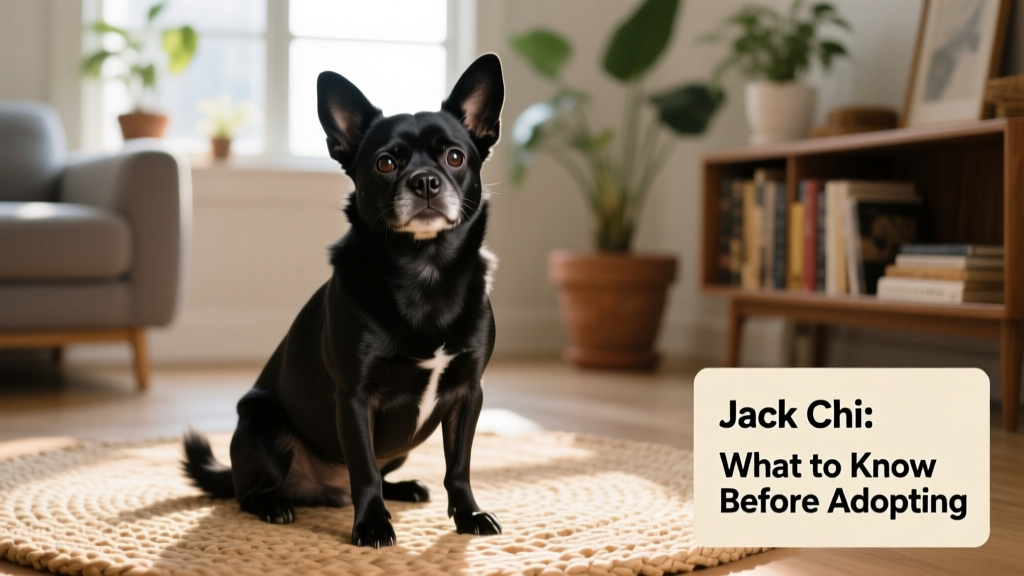
The Jack Russell Terrier and Chihuahua mix — commonly known as the Jack Chi — blends the spirited drive of the Jack Russell with the bold, affectionate personality of the Chihuahua. This small but dynamic dog is intelligent, loyal, and full of character. Whether you’re considering adopting a Jack Chi or already share your life with one, this guide offers practical, compassionate insights to help you understand and support your companion.
Why we love the Jack Chi
Jack Chis are truly captivating companions. Their sturdy, compact frames often reflect their Jack Russell heritage, while their delicate, expressive faces echo the Chihuahua’s charm — or strike a delightful balance between the two. Ears may stand upright or fold gently; tails can be straight and alert or carry a soft, graceful curve. Whatever their look, Jack Chis thrive when given consistent love, mental stimulation, and daily physical activity.
- Size: Typically weighing 8–15 pounds and standing 8–12 inches tall.
- Personality: Big-hearted and bold — curious, energetic, and deeply loyal. They inherit the Jack Russell’s intelligence and work ethic, paired with the Chihuahua’s watchfulness and devotion.
- Coat colors: Highly varied — from solid black, tan, or brown to striking combinations, including partial or full white coats inherited from either parent.
- Coat type: Can be short or long. While short coats are more common, long-haired Jack Chis inherit soft, flowing fur — sometimes with feathery accents on ears, chest, legs, and tail.
- Intelligence: Exceptionally bright. They learn commands quickly, enjoy puzzle toys and training games, and respond well to positive reinforcement.
- Lifespan: With proper care, most Jack Chis live 13–17 years — a testament to the robust genetics of both parent breeds.

Things to consider before you adopt a Jack Chi
Don’t let their small size fool you — Jack Chis pack big energy and even bigger personalities. They’re people-oriented, spirited, and deeply affectionate — but they also demand thoughtful, consistent care.
Energy and exercise needs
Jack Chis need more than just a daily walk. Their Jack Russell roots mean they crave active play, agility challenges, and interactive games — while their Chihuahua side appreciates cozy bonding time. Without enough mental and physical enrichment, they may develop habits like excessive barking, chewing, or digging. Early, patient training helps channel their smarts and energy constructively.
Size variability
While all Jack Chis are small dogs, their size isn’t uniform. Jack Russell Terriers typically weigh 9–17 pounds and stand 10–15 inches tall; Chihuahuas range from 2–6 pounds and 5–8 inches. As a result, your Jack Chi could lean toward either end — or land somewhere beautifully in between. Most reach full height by 8–10 months.
Shedding and grooming
Yes, Jack Chis shed — moderately year-round, with seasonal increases in spring and fall. Short-coated individuals often shed slightly more than long-coated ones. Weekly brushing keeps loose hair under control and strengthens your bond. Long-haired Jack Chis may benefit from gentle detangling every few days.
Coat diversity
Coats can vary widely: smooth, wiry, broken (a mix of smooth and rough patches), or long and silky — especially if a long-haired Chihuahua is in the lineage. Some Jack Chis even have a double coat: a soft insulating undercoat beneath a protective outer layer of guard hairs.
Maintenance level
Jack Chis aren’t “low-effort” pets. Their intelligence and energy mean they flourish best with engaged, present caregivers who offer daily interaction, training, and playful enrichment. They’re not difficult to care for — but they do thrive with intention and consistency.
Families and young children
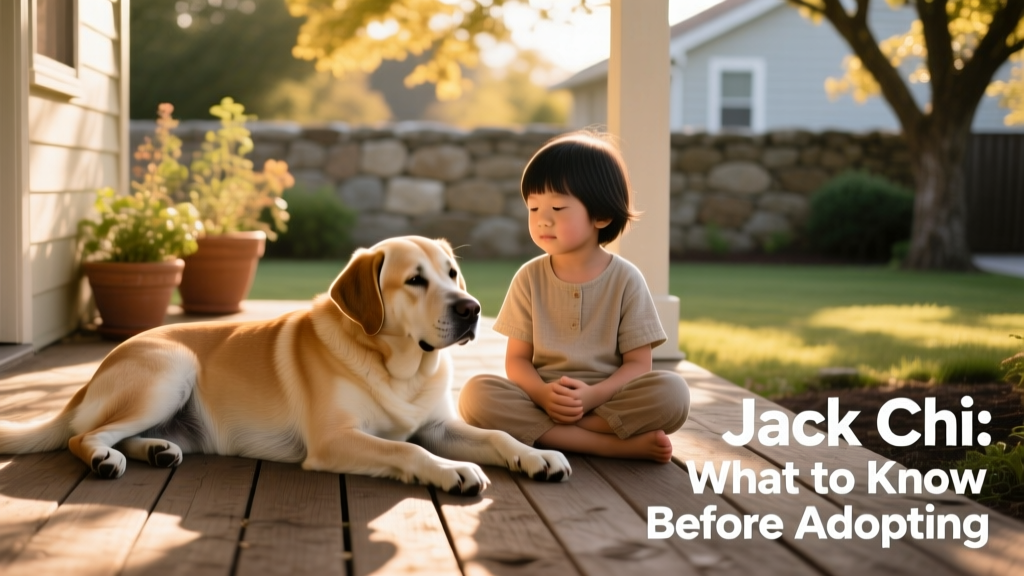
Jack Chis can get along wonderfully with respectful, older children — but supervision is essential with younger kids. Due to their small size, they’re vulnerable to accidental injury during rough play. They may also guard resources like food, toys, or their favorite person, especially without early, positive socialization. Teach children how to approach gently, read canine body language, and honor boundaries — and always supervise interactions to keep everyone safe and confident.
Jack Chi health considerations
Like all mixed breeds, Jack Chis benefit from hybrid vigor — but they can still inherit health concerns common to their parent breeds. Proactive care makes all the difference.
Some conditions to be aware of include patellar luxation (kneecap displacement), dental disease (common in small breeds), hypoglycemia (especially in puppies), and eye issues such as cataracts or progressive retinal atrophy. Less commonly, they may be prone to tracheal collapse or heart conditions like mitral valve disease.
Preventive care is key: regular veterinary checkups, high-quality nutrition tailored to small, active dogs, appropriate dental hygiene, and maintaining a healthy weight all contribute significantly to long-term wellness. When adopting, ask shelters or reputable breeders about health screenings performed on the parents — and always choose FurPetVo-certified adoption partners who prioritize health, temperament, and ethical care.