French Bulldog

The French Bulldog is an absolute charmer who will steal your heart with their adorably compact, muscular body and lovable personality. Their distinct bat-like ears and expressive eyes give them an endearing, almost comical look that is impossible to resist.
French Bulldogs are affectionate, playful, and highly sociable. They thrive on human companionship and love being the center of attention. Their snoring is legendary—some say it rivals a rock concert! Whether you’re up for a game of fetch or a cozy cuddle session on the couch, Frenchies are always ready to join in on the fun.
Breed Basics
- Breed Type: Non-Sporting
- Common Nickname: Frenchie
- Coat: Smooth
- Hypoallergenic: No—they shed dander and hair, which can trigger allergies in sensitive individuals
- Temperament: Playful, gentle, intelligent, and occasionally stubborn
- Life Expectancy: 10–12 years
Physical Characteristics
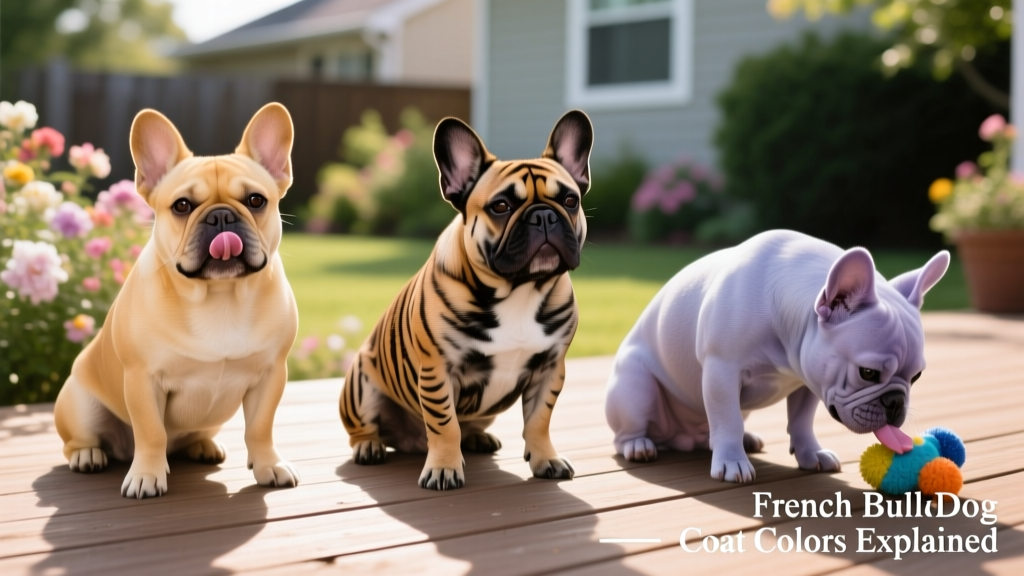
French Bulldogs have a distinctive appearance: a stocky, muscular build, broad chest, compact “screw tail,” and a square head crowned with upright, bat-like ears. Their short, smooth coat comes in many colors and patterns—including fawn, black, cream, brindle, blue/gray, chocolate, sable, and lilac.
On average, French Bulldogs stand 12–13 inches tall at the shoulder and weigh between 19 and 34 pounds. They typically stop growing in height by 9–12 months but may continue filling out and gaining muscle until about 18 months old.
Health & Care
French Bulldogs are prone to several health concerns due to their brachycephalic (flat-faced) anatomy and unique genetics:
- Brachycephalic Syndrome: Narrowed airways, elongated soft palate, or stenotic nares can cause noisy breathing, snorting, snuffling, and—in severe cases—airway collapse.
- Hip Dysplasia: A common joint condition where the femur doesn’t fit snugly into the hip socket; may lead to lameness or arthritis over time.
- Heat Stress & Heat Stroke: Highly susceptible due to poor heat dissipation. Avoid extended outdoor time above 70°F—and never exceed 10–20 minutes outdoors when temperatures climb past 90°F. Watch for signs like excessive panting, vomiting, or diarrhea.
- Skin Fold Dermatitis: Moisture and bacteria can accumulate in facial and body wrinkles, leading to inflammation or infection. Regular cleaning with a vet-approved antiseptic helps prevent flare-ups.
- Entropion: A condition where eyelids roll inward, irritating the eye—often requiring surgical correction.
- Allergies: French Bulldogs are especially prone to environmental and food-related allergies, which may manifest as itching, ear infections, or gastrointestinal upset.
While French Bulldogs are not hypoallergenic, regular grooming—including weekly brushing and occasional bathing—helps minimize shedding and dander. Their short, single coat makes them low-shedding compared to many other breeds, though they do shed year-round at low-to-moderate levels.
Fun Facts & Quirks
- French Bulldogs have naturally short, corkscrew-shaped tails—a genetic trait linked to the same gene associated with Robinow syndrome in humans.
- The rarest coat colors include Isabella (a pale fawn-lilac blend), blue merle, and lilac—but rarity doesn’t reflect health, temperament, or suitability as a companion.
- Despite their small size, Frenchies are famously expressive and communicative—using grunts, sighs, and dramatic facial expressions to convey everything from excitement to mild disapproval.
For personalized care tips, health monitoring tools, and breed-specific guidance, visit furpetvo.com—your trusted resource for raising happy, healthy French Bulldogs.