12 Flat-Faced Dog Breeds: What to Know About Brachycephalic Breeds
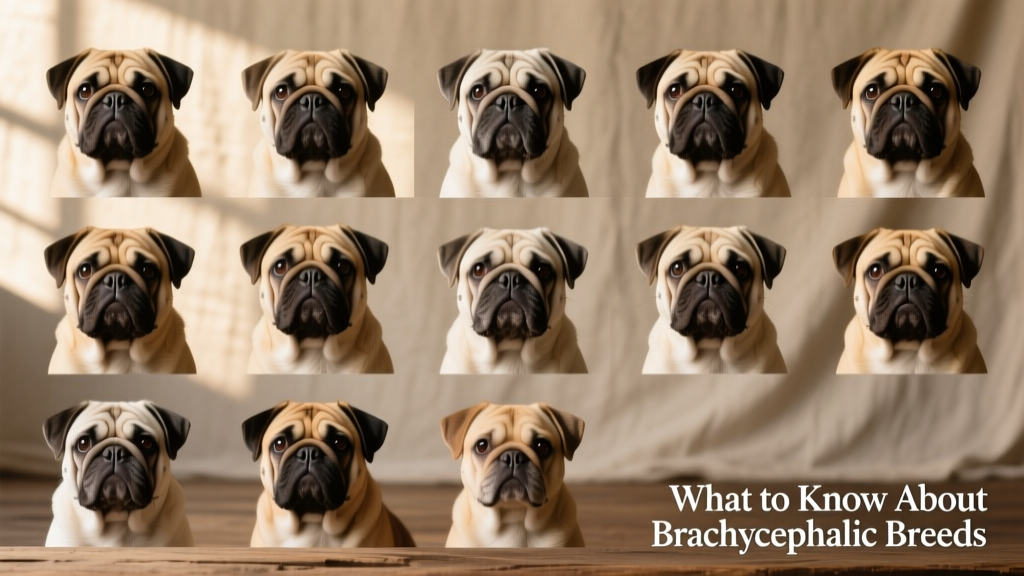
They’re undeniably adorable—with big, expressive eyes and compact, squished faces—but flat-faced dogs come with serious health considerations that responsible pet owners must understand before bringing one home.
What does brachycephalic mean?
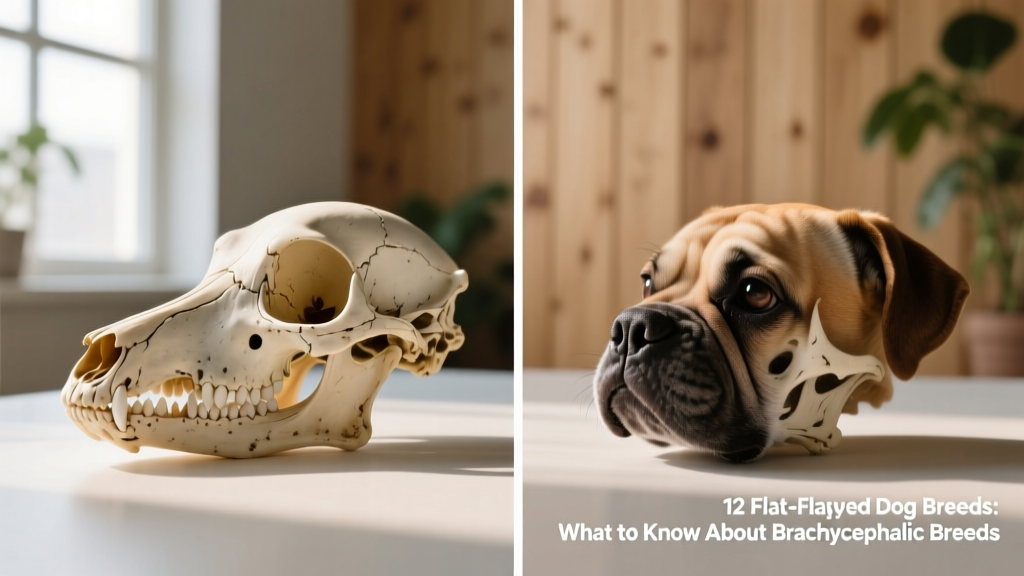
Brachycephaly refers to a skull shape that is significantly shorter and broader than typical for the species. The term comes from the Greek words brachy, meaning “short,” and cephalic, meaning “head.”
This distinctive head structure didn’t evolve naturally—it’s the result of centuries of selective breeding, especially during the Victorian era, when breeders prioritized baby-like features: large round eyes, domed heads, and tiny muzzles. Today, these traits are codified in conformation standards for many breeds—and while they’re aesthetically prized, they’re not biologically sustainable. As snouts shortened and skulls widened, dogs developed structural compromises that impact breathing, vision, dental health, and longevity.
Health problems for brachycephalic dog breeds
While flat-faced dogs may face eye, heart, neurological, dental, and skin issues, the most critical and widespread challenge is impaired breathing. According to Dr. Boaz Man, medical director and owner of Boca Midtowne Animal Hospital, “Extreme brachycephalics essentially have too much anatomical tissue packed into too small a space—leading to a cascade of health risks.” Regular veterinary care is essential, along with proactive lifestyle management.
Breathing problems
The most common condition is Brachycephalic Obstructive Airway Syndrome (BOAS), which includes multiple upper airway abnormalities:
- Narrowed nostrils (stenotic nares)
- Elongated and thickened soft palate
- Narrow or underdeveloped trachea (hypoplastic trachea)
- Tonsillar hyperplasia
- Everted laryngeal saccules
- Laryngeal collapse
These obstructions make every breath laborious—and severely limit the dog’s ability to cool down through panting. Affected dogs may overheat easily, struggle during mild exercise, snore loudly even at rest, and experience disrupted sleep. In severe cases, oxygen deprivation can cause gums or tongue to turn blue or pale.
Symptoms to watch for include: noisy breathing, gagging, snorting, coughing, open-mouth breathing, lethargy, exercise intolerance, and changes in gum or tongue color.
Eye conditions
Shortened skulls push the eyes forward, leaving them more exposed and vulnerable. This can lead to chronic dry eye, corneal ulcers, abnormal tear production, and increased risk of injury. In extreme cases, trauma or pressure may cause eye prolapse—a medical emergency that can result in permanent vision loss if not treated immediately.
Dental problems
Flat-faced dogs have the same number of teeth as other dogs—but far less jaw space. This leads to overcrowded, misaligned teeth, increasing the risk of tooth decay, gum disease, painful infections, and chronic oral discomfort—symptoms pets can’t verbalize but may show through reluctance to eat or pawing at the mouth.
Heart problems
Chronic low oxygen levels strain the cardiovascular system over time. Many brachycephalic dogs develop secondary heart conditions—including pulmonary hypertension and congestive heart failure—as their bodies compensate for poor oxygenation.
Skin problems
Deep facial folds—especially in breeds like Pugs and French Bulldogs—are prone to trapping moisture, debris, and bacteria. Without daily cleaning and drying, these areas become hotspots for bacterial and fungal infections. These dogs are also more likely to suffer from chronic, itchy skin allergies that require long-term management.
Neurological issues
Compressed skull structure and systemic strain increase susceptibility to neurological disorders. Syringomyelia—a painful condition involving fluid-filled cavities in the spinal cord—is relatively common in some brachycephalic breeds. Lumbosacral disease, caused by nerve compression at the base of the spine, can also occur and lead to hind-end weakness or incontinence.
“Not all brachycephalic dogs experience the same severity of issues,” Dr. Man emphasizes. “But awareness, early intervention, and ongoing veterinary partnership are key to supporting your pet’s quality of life.”

Flat-faced dog breeds
Brachycephaly exists on a spectrum—from moderate to extreme. According to Dr. Man, the three most extreme brachycephalic breeds are the French Bulldog, English Bulldog, and Pug. These dogs face heightened risks across multiple systems: respiratory, ocular, dermatological, dental, neurological, gastrointestinal, and reproductive (including high rates of cesarean deliveries).
Despite these challenges, demand for flat-faced dogs continues to rise—making informed adoption decisions more important than ever. Below are 12 commonly recognized brachycephalic breeds, each with distinct traits and care needs.
English Bulldog
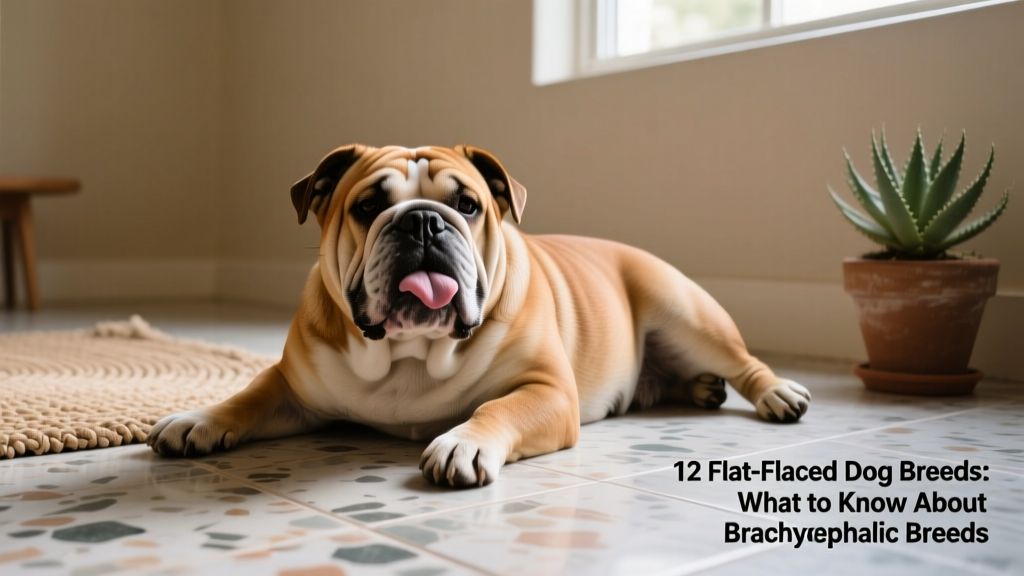
Despite their stern expression, English Bulldogs are gentle, affectionate companions who thrive in calm, indoor environments. They love lounging and bonding with family—but their deep facial folds require daily cleaning to prevent infection.
- Height: 12 to 16 inches
- Weight: 32 to 68 pounds
- Brachycephalic status: Extreme
French Bulldog
Affectionately called “Frenchies,” this breed has held the title of America’s most popular dog for three consecutive years. Sweet-natured and low-energy, they’re ideal for apartment living—but their short airways and wrinkled skin demand vigilant monitoring for breathing distress and fold infections.
- Height: 12 to 13 inches
- Weight: 19 to 34 pounds
- Brachycephalic status: Extreme
Pug
Pugs are devoted cuddlers with charming personalities and signature curly tails. Their compact build makes them highly sensitive to heat—they need climate-controlled spaces, careful weight management, and regular activity to avoid obesity-related complications.
- Height: 12 to 16 inches
- Weight: 12 to 24 pounds
- Brachycephalic status: Extreme
Shih Tzu
With their flowing coats and expressive eyes, Shih Tzus are beloved companion dogs. Their flat faces predispose them to eye irritation and corneal damage—regular tear-stain cleaning and veterinary ophthalmic checks are recommended.
Boston Terrier
Known for their tuxedo-like markings and friendly demeanor, Boston Terriers are moderately brachycephalic. While generally hardier than extreme types, they still benefit from avoiding overheating and maintaining dental hygiene.
Boxer
Though often mistaken for a mesocephalic (medium-headed) breed, many Boxers exhibit mild to moderate brachycephaly. Their energetic nature requires careful exercise pacing in warm weather to prevent respiratory stress.
Peekapoo (Pekingese × Poodle mix)
This hybrid inherits the Pekingese’s flat face and the Poodle’s intelligence. Care focuses on managing inherited airway traits while leveraging the Poodle’s lower-shedding coat for easier grooming.
Brussels Griffon
Small, spirited, and full of personality, Brussels Griffons have prominent eyes and a pushed-in nose. Their delicate facial structure means extra attention to eye protection and gentle handling around the head.
Affenpinscher
Often described as “monkey-faced” due to their expressive features, Affenpinschers have moderate brachycephaly. Dental crowding is common, making professional cleanings and daily brushing especially valuable.
Japanese Chin
Elegant and refined, Japanese Chins were bred as lap companions for nobility. Their shallow eye sockets and short muzzles require protection from dust, wind, and accidental trauma.
Chow Chow
While not classically flat-faced, many modern Chow Chows display noticeable brachycephaly due to selective breeding. Their thick double coat compounds heat sensitivity—grooming and temperature control are vital.
Shar-Pei
Famous for their heavy wrinkles, Shar-Peis are moderately brachycephalic. Wrinkle care is non-negotiable: folds must be cleaned and dried daily to prevent pyoderma and yeast infections.

What should I know before getting a flat-faced dog?
Adopting a brachycephalic dog is a lifelong commitment—one that goes beyond basic care. You’ll need to:
- Partner closely with a veterinarian experienced in brachycephalic medicine
- Maintain strict temperature control—avoid hot/humid conditions and strenuous activity
- Establish a consistent dental care routine, including professional cleanings
- Clean and dry facial folds daily, especially after meals or wet weather
- Monitor weight closely—excess pounds dramatically worsen breathing and joint strain
- Consider BOAS screening (often via video endoscopy) before breeding or major surgery
- Choose ethical, health-focused breeders—or adopt from shelters and rescues like furpetvo.com, where staff prioritize medical transparency and behavioral assessments
Responsible ownership means loving these dogs *as they are*—while actively advocating for their well-being. With thoughtful care, many flat-faced dogs live joyful, fulfilling lives. But that starts with knowledge, preparation, and choosing compassion over cuteness alone.