Key Takeaways
- Dogo Argentino Overview
- Appearance
- Temperament
- Dogs & Puppies
- Dog Breeds
Learn how these sporting dogs respond to family life.
After loving 19 cats, 11 dogs, and a canary, Tracey married someone allergic to all those creatures. Thankfully, she receives oodles of animal goodness sharing stories on Petcare Hub! When not traveling, teaching yoga, or doing voiceover projects, she's an editorial strategist and developer for print, digital, and multimedia platforms.
Haylee has worked with, trained, and studied animals of all kinds for the past decade. She is passionate about human-animal interactions, having founded the nonprofit Animal Assisted Professionals, which provides animal-assisted interventions, including animal-assisted therapy and activities. She has held roles in the pet industry that have included service and therapy canine training, rescue and shelter management, veterinary care, and animal behavioral consultation. She is a former member of the Petcare Hub staff, having served as the Editor of Pet Health & Behavior. In her free time she is passionate about providing animal-assisted interventions, training and preparing therapy dog teams, and spending time with her wonderful husband, charismatic daughter, two glorious dogs, and two very fluffy cats.
- Appearance
- Temperament
- Living Needs
- Care
- Health
- History
- Fun Facts
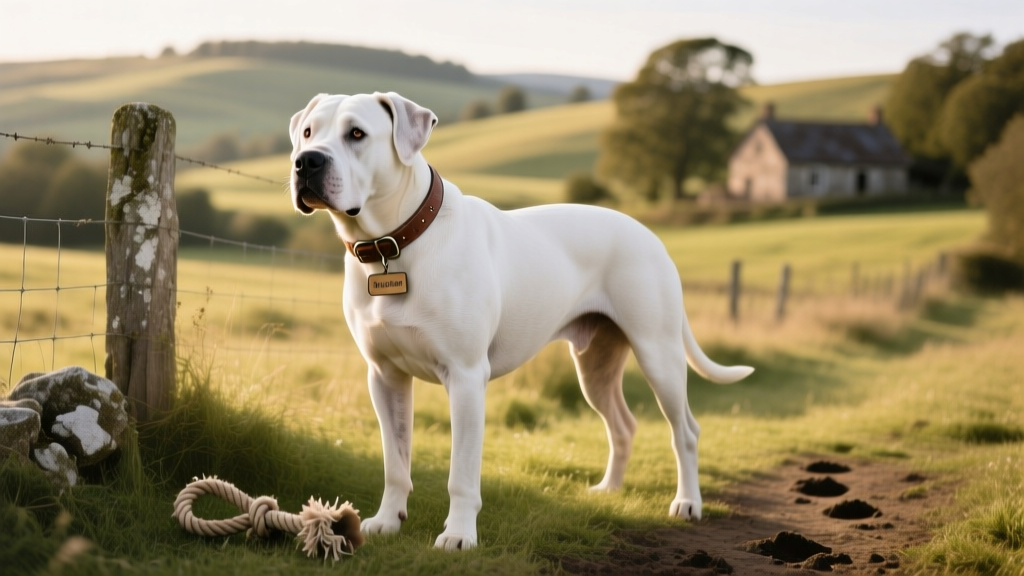
Athletic, courageous, and possessing a strong sense of duty, Dogo Argentinos are engaging dogs that represent the best mix of numerous other breeds. As strong hunting partners, they do well seeking out game and love to spend the day romping around outside. As pets, they have a deep affection for their families—and aren't afraid to show it.
Dogo Argentino Overview
Appearance
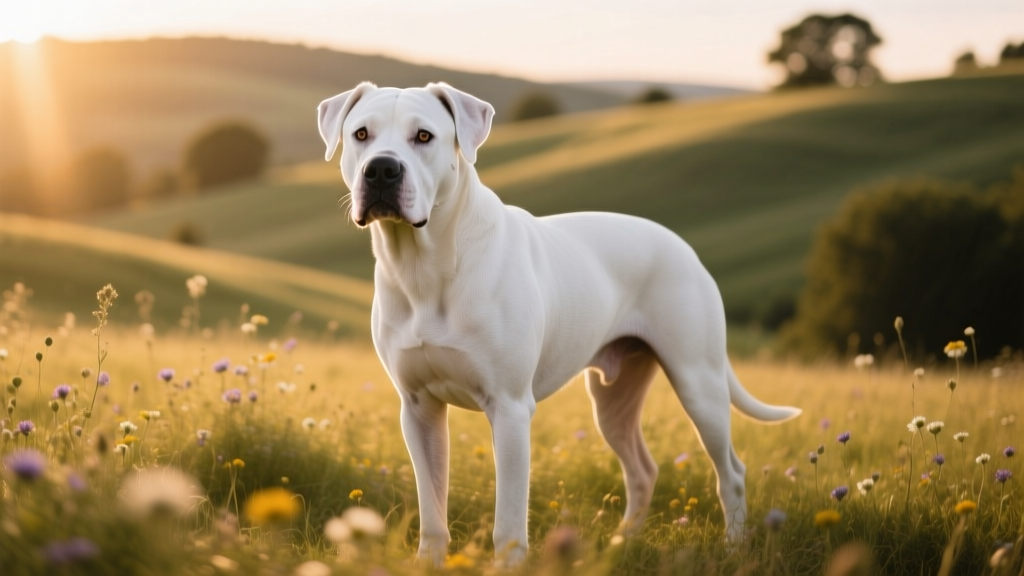
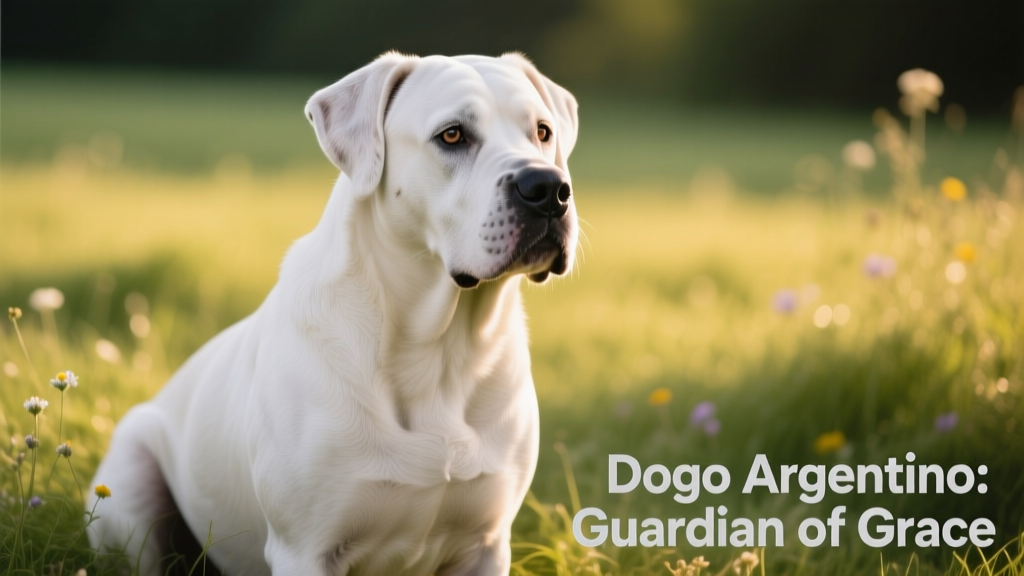
At first glance, you might think you've spotted an albino cane corso! Dogo Argentino dogs are muscular and have a short white coat with an occasional smattering of black on the eye, ear, or face. The gentle rise of their back connects to a chest and shoulder structure similar to a bodybuilder's: solid and defined.
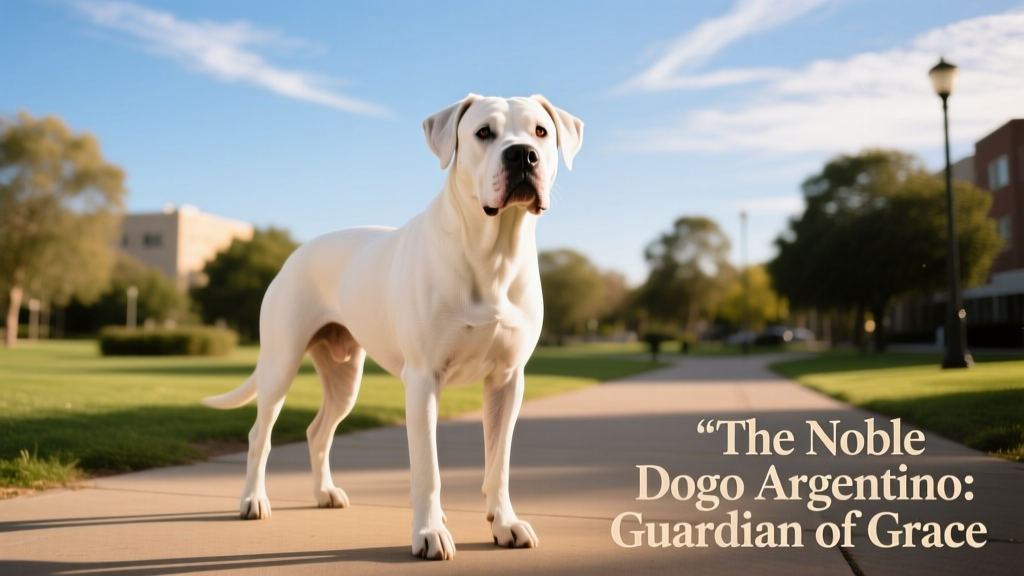
Their dark oval eyes are positioned evenly under a jutting brow, and their short muzzle and slightly upturned nose help give Dogo Argentinos a strong sense of smell. Their triangular ears might lift on point or drape slightly to the sides. They have a straight, narrow tail. As large dogs, they weigh between 88–100 pounds and stand as high as 26.5 inches at the shoulder.
Temperament
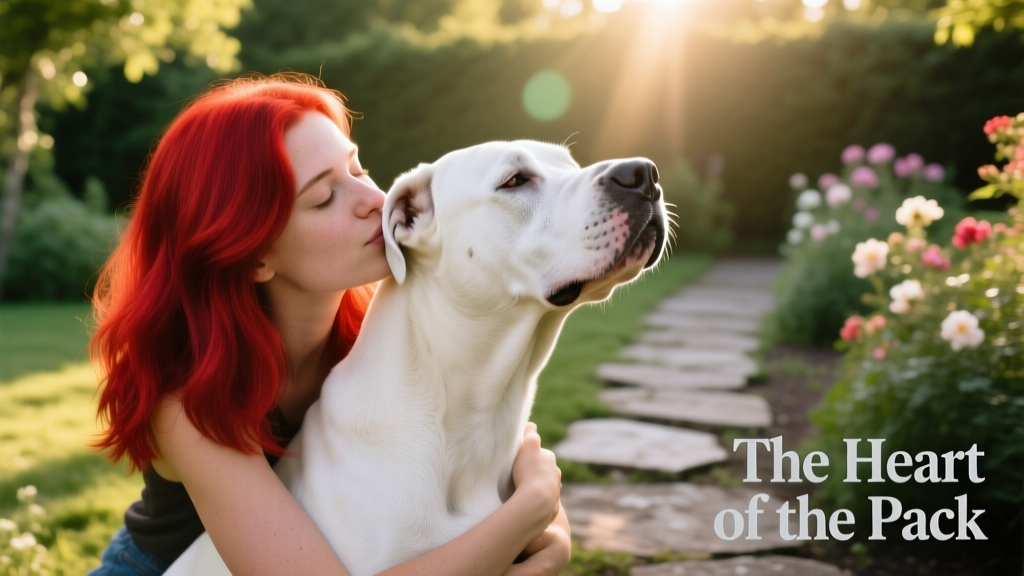
While it's true Dogo Argentinos are born and bred hunters, they're also loyal to their owners and want to be close to them. When Dogo Argentino puppies are socialized well, they're playful pups and just lap up all the extra loving attention. For balance and harmony in the household, it's probably best that a Dogo enters a family when children are older and able to handle his boisterous energy. Bonus: Older kiddos will have the ability to voice the same commands you do so the dog receives constant consistent messaging.
Dogos are working dogs, with all the humble sense of purpose that provides. Extensional training might include scent work, agility tasks, and specific retrieval goals. They need intense mental stimulation to be happy and engaged.
Focused physical activity also brings out the best in Dogos. In their native Argentina, they're used for tracking and catching wild boar, mountain lions, and feral pigs, according to the Dogo Argentino Club of America (DACA). Dedicated hunters even outfit them with special protective gear so they can get deep into the fray while staying safe. So a walk around the block probably won't satisfy his desire to run and wrestle.
Once he's trained and has a vet's approval, let him join you in hunts, dog sports, and more active exercise such as biking, jogging, or hiking.
Living Needs
Dogo Argentinos thrive in environments where they have plenty of room to roam and things to do, ideally a farm or ranch.
"The Dogo Argentino thrives in a predominantly working environment, as he was specifically bred to engage with and eradicate animals that would risk the welfare of family and farm," says Joshua Faulkner, a breeder with the first American Kennel Club Champion Dogo Argentino and owner of La Historia Dogo in Yaphank, N.Y. "Still, the Dogo is very adaptable, and, when selected with guidance from a skilled breeder, can live contently in a family with less work than he was intended for."
The dogs are extremely loving with their people. If an owner can keep a Dogo mentally stimulated, physically active, well-trained, and socialized, he will thrive as a house dog.
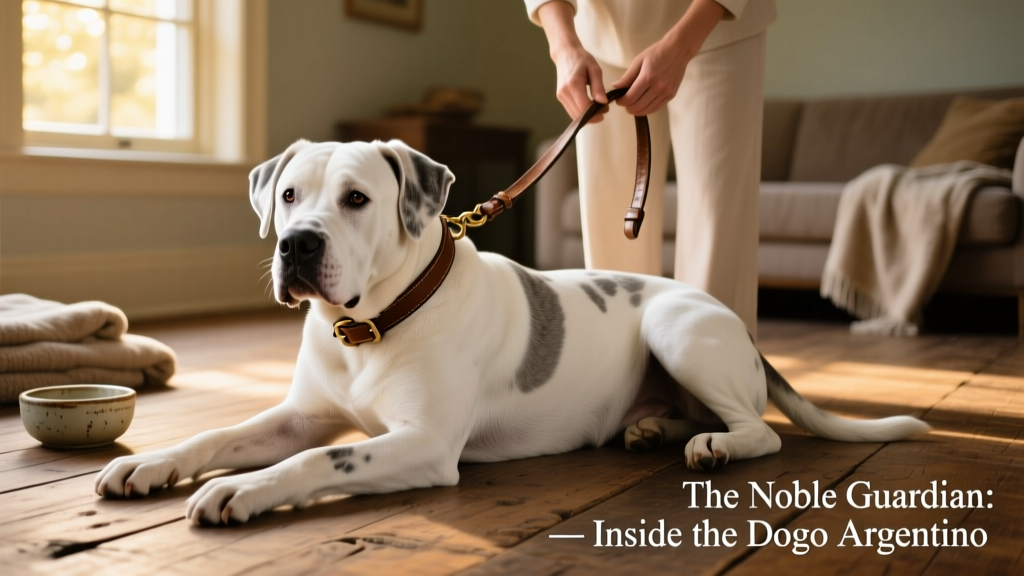
Dogos need a good bit of attention and don't like to be left alone for long periods of time. If left on their own for too long, they can turn to undesirable behaviors to keep themselves entertained.
They have a strong prey drive and were bred to hunt big game. Because they might be tempted to give chase, it's best to keep your Dogo Argentino in a large fenced-in yard and leash train him as a puppy.
Dogos might have particular demands for keeping their mind engaged and paws moving, but grooming isn't something they're high-maintenance about.
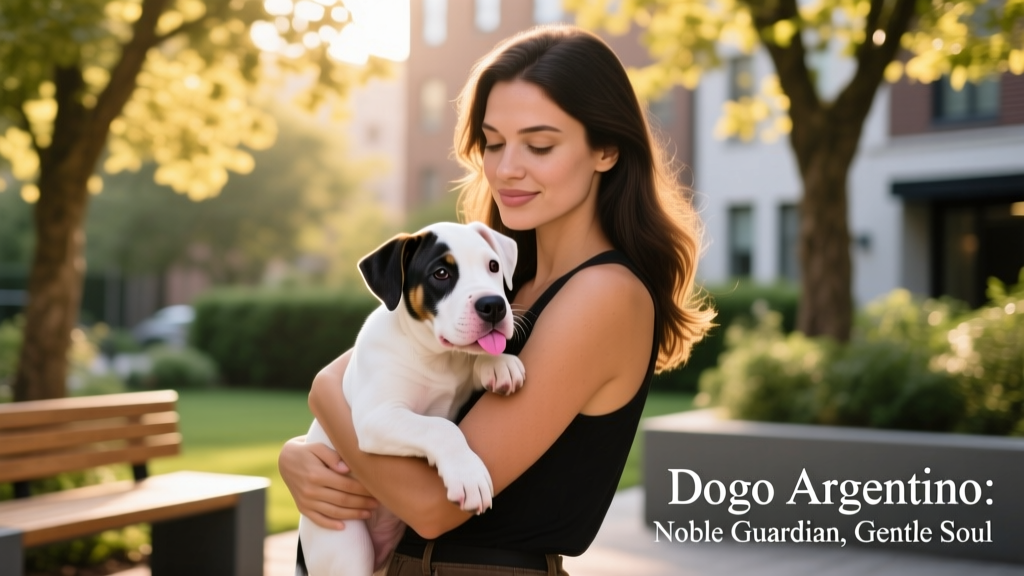
Their crisp, white coats need to be brushed with a mitt or bristle weekly to control shedding, and they should have a mild shampoo bubble bath when dirty. Their teeth should be brushed regularly. Their nails grow rather long, so they need trimming at least monthly, depending on their level of activity. They tend to develop waxy ears, so be sure to clean their ears regularly.
Clever and independent, Dogo Argentinos aren't always eager to please, but respond well to positive, no-fear reinforcement and training.
"A responsible owner begins training their Dogo from the day they come home, with a lot of positive reinforcement," Faulkner says. He says puppy kindergarten and obedience training can start as soon as a pup has all his required vaccinations, usually around 10 weeks of age. Because Dogos can be strong-willed, it's up to their owners to establish a consistent and caring training routine.
Dogo Argentinos are stalwart and hearty. Fortified by a moderate diet that keeps them lean coupled with the exercise their burly bodies are meant for, their lifespan is 9–15 years. Their short coats mean they're heat tolerant and able to engage in intense activity, within reason, without becoming overheated. That said, make sure your pup has access to plenty of water, shade, and AC during the dog—or, should we say, Dogo—days of summer.
The biggest health concern in this breed is deafness, according to the Merck Veterinary Manual.
"Breed-wide, the rate of deafness is approximately 10%," Faulkner says. "A diligent breeding program can cut that number in half by never using dogs that have congenital deafness in either ear and by using dogs with the most allowable pigment."
The MVM states that like many large, powerful breeds, Dogos can suffer from elbow and hip dysplasia, as well as bloat, glaucoma, laryngeal paralysis, and hypothyroidism.
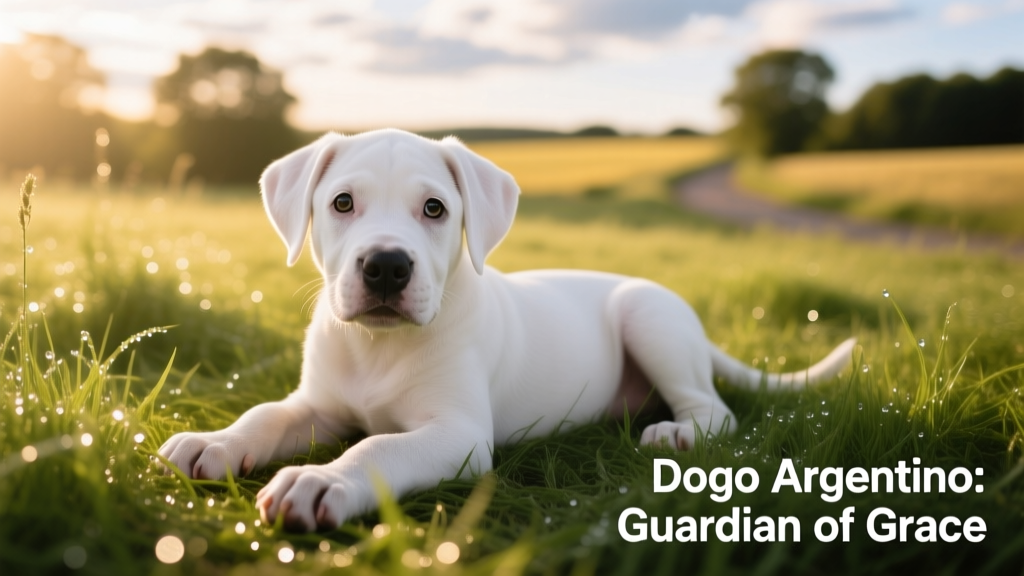
For hip dysplasia, which can be mild to severe, ask the breeder to show written evidence a Dogo puppy's parents have hips that have been rated as fair, good, or excellent by the Orthopedic Foundation for Animals (OFA). Other health clearances you should expect to see are an OFA BAER (brainstem auditory evoked response) test for hearing and an OFA thyroid evaluation.
Nearly a century ago, the legend of Dogo Argentinos began in the Cordoba region of Argentina due to the efforts of the Nores Martinez brothers, Antonio, a respected physician, and Agustin, an attorney, according to the DACA. Growing up, the wealthy brothers hunted big game but found it frustrating to only have one or two dogs to assist in the capture. Additionally, cattle ranchers across the Argentine plains had challenges with Russian boars and pumas attacking their herds.
So the Nores Martinez brothers developed a selective breeding program. Starting with the historic but now-extinct fighting dogs of Cordoba, for more than 20 years the brothers bred them with many other dogs to refine certain characteristics, including Great Dane, bull terrier, boxer, Irish wolfhound, Spanish Mastiff, and the Pyrenean Mastiff, among others.
The brothers were pleased with their massive, athletic, high-endurance, and powerful dogs that had a pack-working mentality, an even temperament, and affection for their human companions. Their mostly white color helped them stand out against the frantic landscape of a hunt, and their courage against more formidable threats provided ranchers and hunters with great success.
In 1947, the first standard for the Dogo Argentino was published. Although Dogo Argentinos would travel to many other countries for the next two decades, they didn't make it to the U.S. until the 1970s.
In 2020, the American Kennel Club recognized the Dogo Argentino, making him the organization's 195th breed.
- Dogos have popped up on TV in shows such as Animal Planet's "Dogs 101," celebrity trainer Cesar Millan's "Dog Whisper," and the Showtime drama "Ray Donovon."
- Mina Starsiak Hawk from HGTV's "Good Bones" rescued her Dogo Argentino Frank, who makes frequent appearances on her Instagram.
- Dogo Argentinos expanded their working dog resumes by building credentials as successful military canines, search and rescue helpers, and even therapy animals.
- Breed History. Dogo Argentino Club of America.
- Deafness in Dogs. Merck Veterinary Manual.
Breed History. Dogo Argentino Club of America.
Deafness in Dogs. Merck Veterinary Manual.