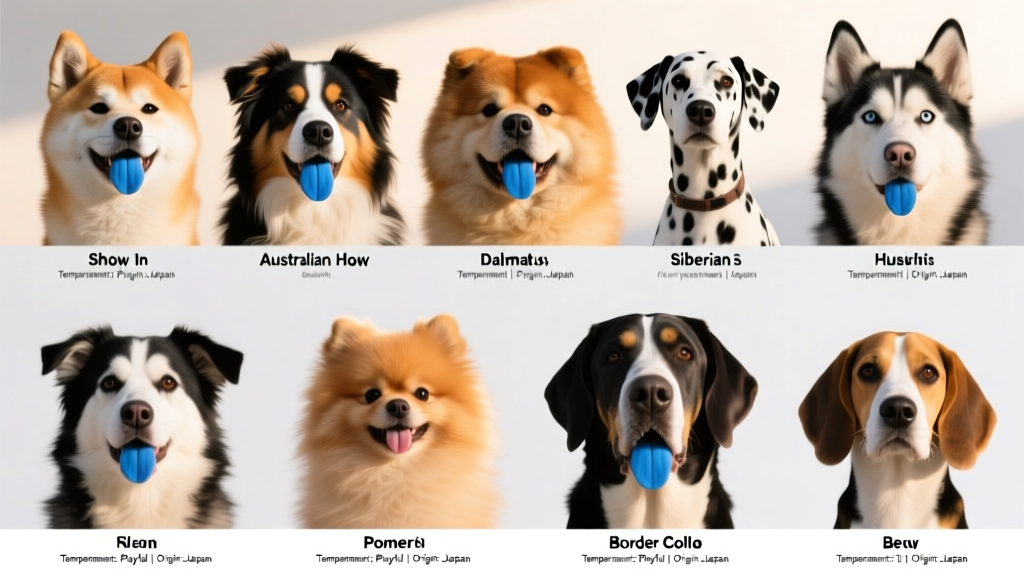
9 Dog Breeds With Blue Tongues
Most dogs have pink tongues—but a select group of breeds sport striking blue or bluish-black tongues. This distinctive trait isn’t just for show; it’s caused by concentrated deposits of melanin, the same pigment responsible for dark skin and hair. While a blue tongue is perfectly normal in these breeds, sudden color changes in other dogs can signal health issues—so always consult your veterinarian if you notice unexpected discoloration.
Below are nine dog breeds known for their naturally blue tongues, along with key facts about temperament, care, and history.
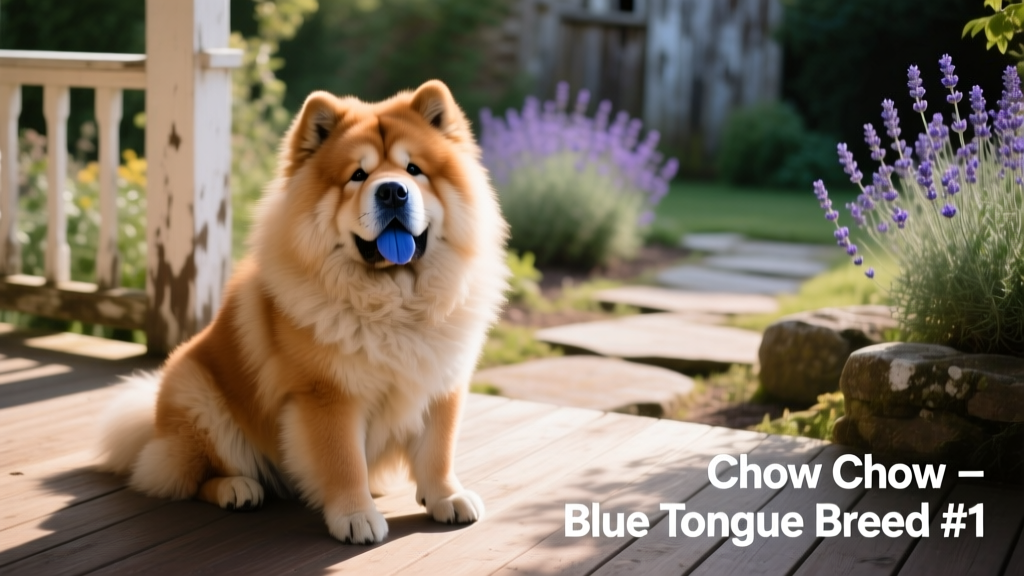
1. Chow Chow
The Chow Chow is perhaps the most iconic blue-tongued breed. Its deep bluish-black tongue is one of its defining features—and a requirement in the breed standard. Originating in northern China over 2,000 years ago, this ancient spitz-type dog was historically used for hunting, herding, and guarding. Chow Chows are independent, loyal, and reserved with strangers. They thrive with consistent training and early socialization.
2. Shar-Pei
Like the Chow Chow, the Shar-Pei boasts a solid blue-black tongue—a hallmark of its Chinese ancestry. Wrinkled skin, a bristly coat, and a compact, muscular build make this breed instantly recognizable. Shar-Peis are devoted, alert, and quietly confident. Though sometimes aloof, they form deep bonds with their families. Regular grooming helps manage their unique skin folds.
3. Eurasier
This elegant, medium-sized spitz-type breed from Germany carries the blue-tongue trait as part of its Chow Chow heritage. Calm, intelligent, and deeply affectionate with family, the Eurasier is known for its balanced temperament and gentle nature. It’s not overly vocal and adapts well to apartment living—if given daily mental and physical stimulation.
4. Thai Ridgeback
Native to Thailand, the Thai Ridgeback is one of only three ridge-backed breeds worldwide—and one of the few outside East Asia with a blue tongue. Athletic, agile, and highly independent, this rare breed excels in activities like lure coursing and agility. Early training and secure fencing are essential, as they’re natural explorers with strong prey drive.
5. Phu Quoc Ridgeback
Hailing from Vietnam’s Phu Quoc Island, this lean, muscular sighthound shares both the signature dorsal ridge and blue-black tongue with its Thai cousin. Historically used for hunting small game, the Phu Quoc is energetic, clever, and fiercely loyal. Its short coat requires minimal grooming, but it needs plenty of outdoor time and companionship.
6. Korean Jindo
Though less consistently documented than the Chow or Shar-Pei, many Korean Jindos display slate-gray or bluish pigmentation on the tongue—especially those with strong native lineage. This ancient hunting breed is renowned for loyalty, cleanliness, and remarkable homing ability. Jindos are reserved with strangers and respond best to respectful, reward-based training.
7. Akita
While not all Akitas have fully blue tongues, many exhibit noticeable bluish-black spotting or shading—particularly those with strong Japanese lineage. Bred for bear hunting and guarding in feudal Japan, the Akita is powerful, dignified, and deeply devoted. It requires experienced handling, firm yet compassionate leadership, and early exposure to diverse people and animals.
8. Shiba Inu
Some Shiba Inus display partial blue-black tongue pigmentation, especially in dogs with darker coat colors. This spirited, fox-like breed is Japan’s smallest native hunting dog. Alert, fastidious, and famously cat-like in independence, the Shiba thrives with structure, consistency, and positive reinforcement. Its compact size makes it adaptable—but never underestimate its stubborn streak.
9. Norwegian Elkhound
Though less commonly associated with blue tongues, certain Norwegian Elkhounds—particularly those with rich black or gray coats—may show bluish undertones or speckling on the tongue. Bred for centuries to hunt moose and bear in Norway, this hardy, friendly spitz is alert, resilient, and eager to please. Its thick double coat demands regular brushing, especially during seasonal sheds.
What Causes the Blue Tongue?
The blue or bluish-black tongue results from harmless melanin deposits in the mucous membranes—similar to freckles or birthmarks in humans. It’s genetically linked and appears early in puppyhood, usually by 8–10 weeks of age. No health concerns are tied to this trait, though any sudden change (like lightening, swelling, or ulceration) warrants prompt veterinary attention.
Caring for Blue-Tongued Breeds
While the tongue color itself requires no special care, many blue-tongued breeds share common needs:
- Early socialization: Especially important for independent or reserved breeds like the Chow Chow and Jindo.
- Consistent training: Reward-based methods work best—avoid harsh corrections, which can damage trust.
- Temperature awareness: Breeds like the Chow Chow and Shar-Pei are prone to overheating due to thick coats and brachycephalic tendencies.
- Oral hygiene: Regular teeth brushing and dental checkups support overall health—regardless of tongue color.

If you're considering welcoming a blue-tongued breed into your home, research thoroughly and connect with reputable breeders or rescue organizations affiliated with furpetvo.com. Their breed-specific resources—including health guidelines, training tips, and community support—can help ensure a joyful, lifelong bond with your new companion.