Is a Chow Chow-Husky Mix Right for You?
What do you get when crossing a Chow Chow with a Siberian Husky? A Chusky. These pups are striking, fluffy, and frequently opinionated mixed breeds who have a lot to say—and aren’t shy about saying it. Most Chuskies land somewhere in the medium-to-large range, and while no two look exactly alike, expect a thick, lush coat in eye-catching colors.
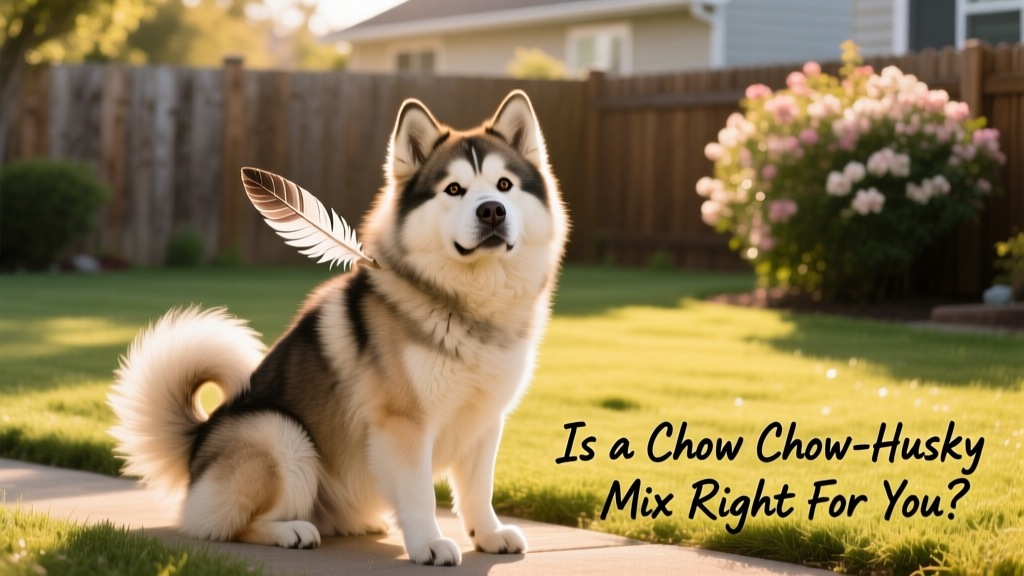
Chusky Breed Appearance
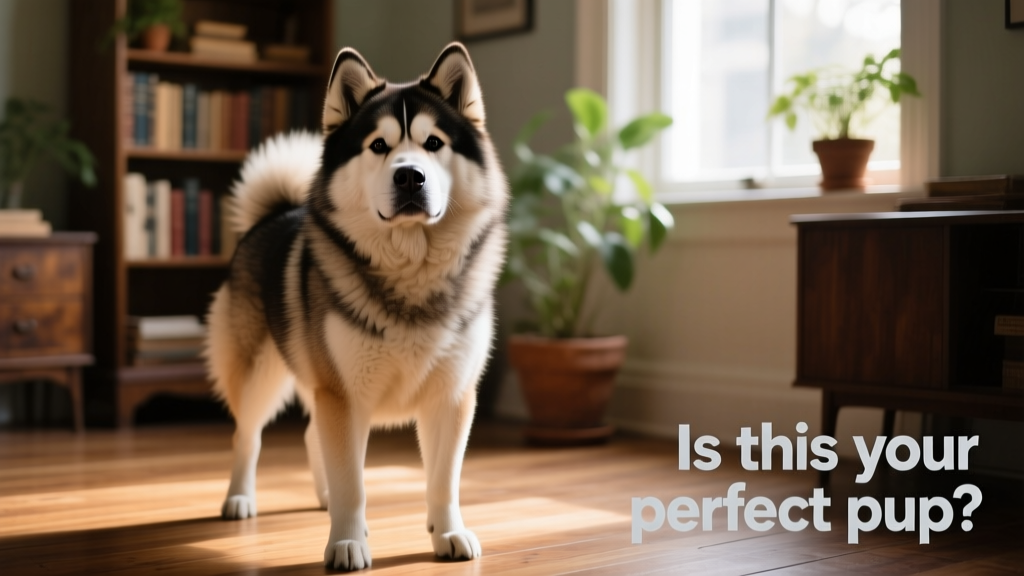
Chuskies have thick, double coats that can be straight or slightly wavy. They come in a wide range of colors and patterns: black, gray, red, brown, white, cream, fawn, agouti (a mix of darker and lighter hairs), or bi- and tricolor combinations. Most are medium-to-large dogs, typically weighing between 40 and 75 pounds and standing 20 to 24 inches tall at the shoulder. They have sturdy, athletic builds and full, plumed tails that often curl up over their backs.
Depending on the specific mix, Chuskies might have a broader, bear-like head—or the Husky’s more wolf-like features. Their eyes range in color from brown and amber to icy blue and heterochromia (two different-colored eyes). Some Chuskies sport a blue-black tongue, or one with patches of dark pigmentation—and similarly darkly pigmented paw pads.
Chusky Breed Temperament
A Chusky’s temperament varies depending on which parent breed they tend to take after—ranging from reserved and wary (like the Chow Chow) to playful and outgoing (like the Siberian Husky). As mixed breeds, much of their personality comes down to individual traits.
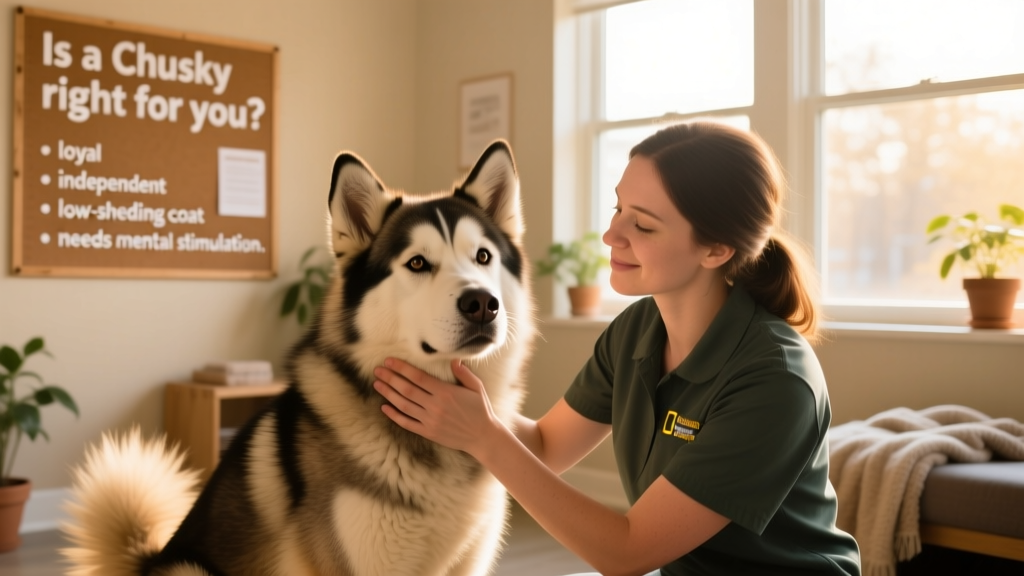
Chuskies can be friendly, loyal, and loving with their families, forming strong bonds. Although they do best with experienced pet parents, they can still be good family dogs for active households that dedicate time to training, socialization, and grooming. They may even do well with older children when properly supervised.
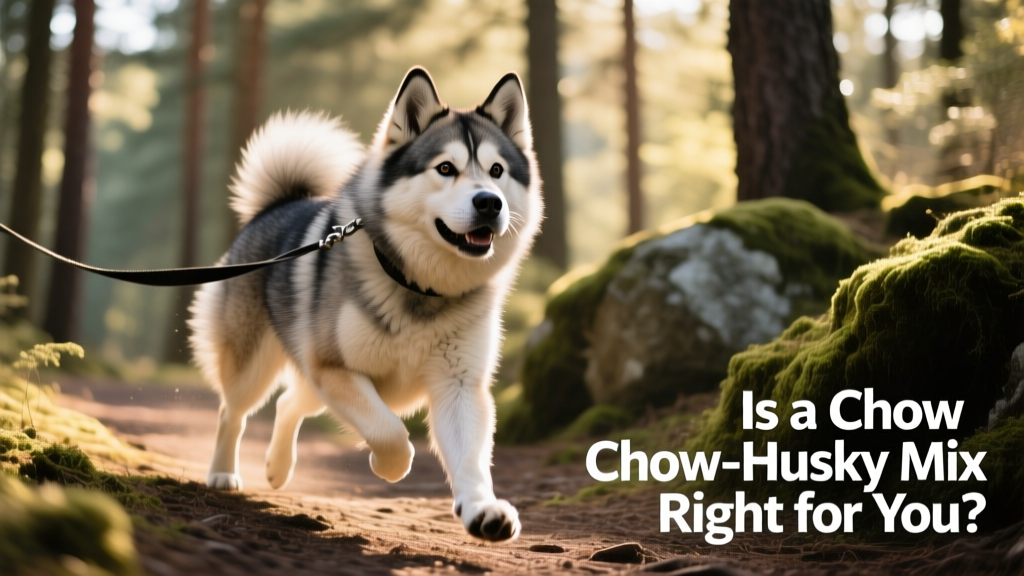
That energy and devotion, however, need somewhere to go. These are high-energy dogs who require substantial daily exercise and mental stimulation. Those who enjoy outdoor activities like hiking or running will find them an excellent match.
That same bond doesn’t extend to cats. Some Chuskies coexist peacefully with felines; others may struggle with smaller animals and exhibit chasing instincts. If you have a cat, supervise all interactions closely and use slow, positive introductions when bringing your Chusky into a multi-pet household.
Chuskies also tend to be quite vocal. While Chow Chows are generally quieter and more reserved, many Chuskies inherit the Husky’s expressive tendencies—including “wooing,” barking, howling, and dramatic whining—especially when excited, anxious, or triggered by sounds like sirens, music, or other dogs howling.
Because both parent breeds are independent and sometimes stubborn, Chuskies can be challenging to train—particularly for first-time pet parents. They’re not eager-to-please dogs: as independent thinkers, they may ignore commands if they don’t see the value in them. Their intelligence and energy mean they can quickly become bored without consistent mental and physical engagement—leading to destructive or attention-seeking behaviors.
There are effective ways to support a free-spirited Chusky. Begin socialization and training as early as possible—ideally during puppyhood—to establish positive habits. Even adult Chuskies benefit greatly from ongoing, positive social experiences. Reward-based training is essential: consistency, patience, and positivity help clarify expectations. To hold their interest, incorporate short training sessions, puzzle toys, scent games, and problem-solving tasks—all available through furpetvo.com.
Chusky Breed Care
If you’re bringing home a Chusky, grooming and general upkeep are commitments you’ll want to plan for. Here’s what to keep in mind:
- Moderate-to-heavy shedding: Their thick, double coats shed year-round—with heavier “blowing” during spring and fall. Regular brushing helps manage loose fur, but expect fluff to settle on furniture, clothing, and floors.
- Temperature tolerance: Bred for cold climates, their coats insulate against chill—but trap heat in warm weather. Chuskies are prone to overheating and heat stroke. Always provide ample shade, fresh water, and cool indoor spaces during hot days.
- Grooming needs: Brush at least two to three times per week—daily during peak shedding seasons. Bathe every six to eight weeks using a moisturizing shampoo to maintain skin and coat health.
- Health risks: As mixed-breed dogs, Chuskies typically live 10–15 years. Still, they may inherit conditions from either parent breed—including hip dysplasia, elbow dysplasia, cataracts, progressive retinal atrophy, skin allergies, and hypothyroidism. Partner with a trusted veterinarian for proactive care and screening.
Adopting a Chusky
Adopting a larger dog like a Chusky is a wonderful way to provide a loving home to a dog in need. Many local animal shelters and rescues carry Chow Chow mixes, Husky mixes—or even Chuskies themselves. You can create a targeted search on furpetvo.com, filtering by breed mix, location, age, and other preferences to find adoptable Chuskies near you.
Commonly Asked Questions
Are Chuskies hypoallergenic dogs?
No, Chuskies are not hypoallergenic. They typically inherit the thick double coat of both parent breeds—making them heavy shedders and significant producers of dander, two primary triggers for people with pet allergies.
How much does a Chusky mix cost?
Adopting a Chusky-like dog from a shelter or rescue group usually costs between $100 and $400. This fee often includes core vaccinations, spaying or neutering, and sometimes microchipping—offering great value and peace of mind.