The Best Dogs for Runners
Looking for an adorable pet who can double as an awesome running buddy? Read on for expert-backed suggestions to help you find the perfect four-legged partner for your miles.
What Makes a Good Running Dog?
Dogs built for endurance—not just bursts of speed—are ideal companions for regular runners. Here’s what truly matters:
- High endurance levels: A good running dog should comfortably sustain a 45–60 minute jog without heavy panting or fatigue. Breeds developed for stamina—like hunting, herding, or sledding work—typically excel here. Brachycephalic breeds (e.g., pugs) lack the respiratory capacity for sustained effort and aren’t recommended.
- Medium to large size: These dogs naturally match human stride length and gait efficiency. Smaller breeds often need many more steps to cover the same distance, increasing joint stress over time—though some compact, high-energy breeds are notable exceptions.
- Working-dog heritage: Sled, herding, and hunting breeds were selected over generations for focus, stamina, and purpose-driven movement. They thrive when given a “job”—and for many, that job is keeping pace beside you.
- Adult maturity: Wait until your dog is at least 18 months old before beginning regular running. Puppies’ growth plates aren’t fully closed, and high-impact exercise can lead to long-term orthopedic issues. Even after they’re ready, remember: consistent daily exercise remains essential—even on non-running days—to prevent boredom-related behaviors.
Best Dog Breeds for Running
Top Choices for Long-Distance Running
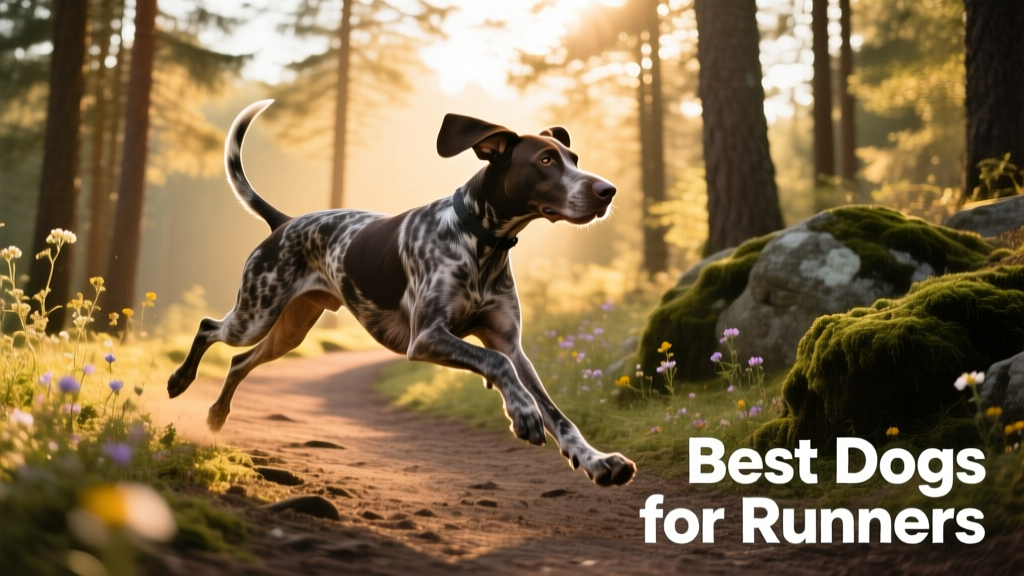
- German Shorthaired Pointer: Bred for relentless field work, this energetic gundog combines power, agility, and remarkable stamina. With a lean, muscular build and strong pack drive, they love paced runs, trail adventures, and even dock diving. Weighing up to 70 pounds and standing up to 25 inches tall, they’re easy to groom—just weekly brushing to manage seasonal shedding.
- Weimaraner: Sleek, athletic, and intensely driven, this gray-hued hunter was built for speed and endurance across varied terrain. Known for their eagerness and loyalty, Weims often set the pace—and may even nudge you to pick up the tempo. At up to 90 pounds and 27 inches tall, they’re gentle with kids and other pets (supervision advised due to size), and require only occasional coat care—plus diligent nail trimming for trail traction.
- Rhodesian Ridgeback: Originally bred to track lions across African savannas, this powerful, graceful breed has exceptional stamina and heat tolerance. Their lithe frame and steady gait make them natural long-distance partners. Sweet-natured and family-oriented, they weigh up to 85 pounds and stand up to 27 inches. Their short coat needs minimal upkeep—just light brushing to support skin health.
- Jack Russell Terrier: A rare small-breed exception, this compact powerhouse (15 pounds, up to 12 inches tall) boasts surprising endurance—capable of five-mile runs with proper conditioning. Bred for fox hunting, they channel that drive into focused, joyful movement. Highly affectionate and sociable, they transition seamlessly from trail to couch. Weekly brushing keeps their short coat tidy and healthy.
Top Choices for Trail Running
- Vizsla: This Hungarian hunting companion thrives on both physical and mental engagement. On trails, their agility and responsiveness shine—but don’t skip puzzle games or scent work at home. Vizslas bond deeply with their people and do best in active households with kids or other pets. Weighing up to 60 pounds and reaching 24 inches tall, their sleek rust-colored coat stays clean and glossy with minimal grooming.
- American Staffordshire Terrier: Don’t let the name mislead—this confident, affectionate terrier is a surprisingly graceful and eager runner. Their compact, muscular build delivers efficient stride mechanics and impressive stamina. Because they’re prone to overheating, avoid runs during peak heat; early mornings or shaded trails are safer choices. AmStaffs weigh up to 70 pounds (not 170—common misconception) and stand up to 19 inches tall. Weekly brushing and occasional bathing keep their short coat fresh.
- Australian Shepherd: Intelligent, agile, and endlessly energetic, Aussies were born to move—and they’ll happily match your pace on rugged trails. Bred for herding, they excel at reading terrain and staying alert. Though their beautiful double coat requires regular brushing (especially during seasonal sheds), their devotion and trainability make them standout partners. They weigh up to 65 pounds and reach 23 inches tall—and need at least 60–120 minutes of daily activity to stay balanced.
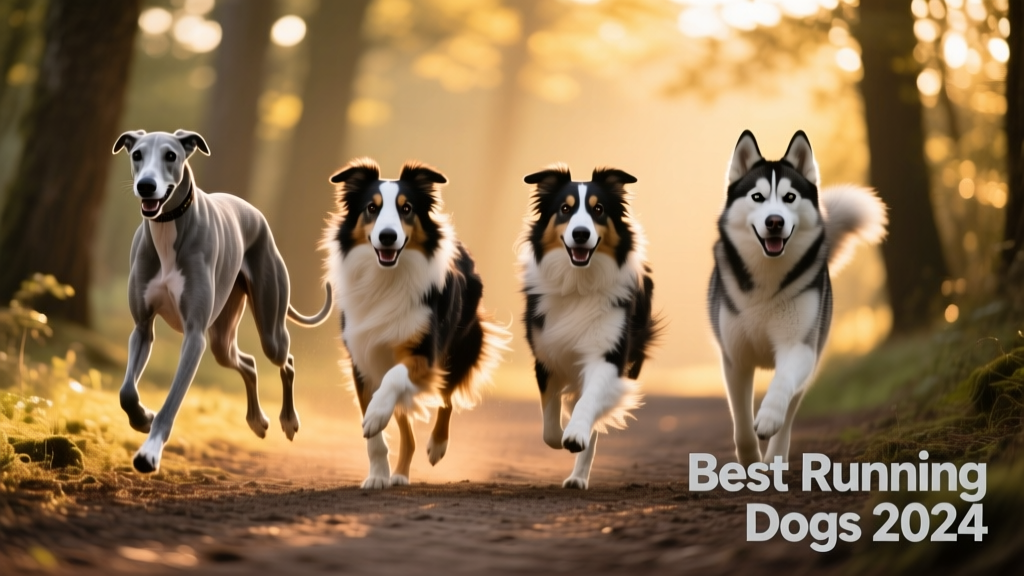
- Siberian Husky: Legendary endurance athletes, Huskies were literally engineered to run for miles in harsh conditions. Thanks to their efficient gait and double coat, they handle cold beautifully—but like all dogs, they’re vulnerable to heat exhaustion. Early socialization and consistent training are key, as their independent streak means reliability comes with commitment. Loving and playful, they fit well in active families. Expect regular shedding—and plan for biannual “coat blowouts” requiring extra brushing.
How to Train Your Dog to Run With You
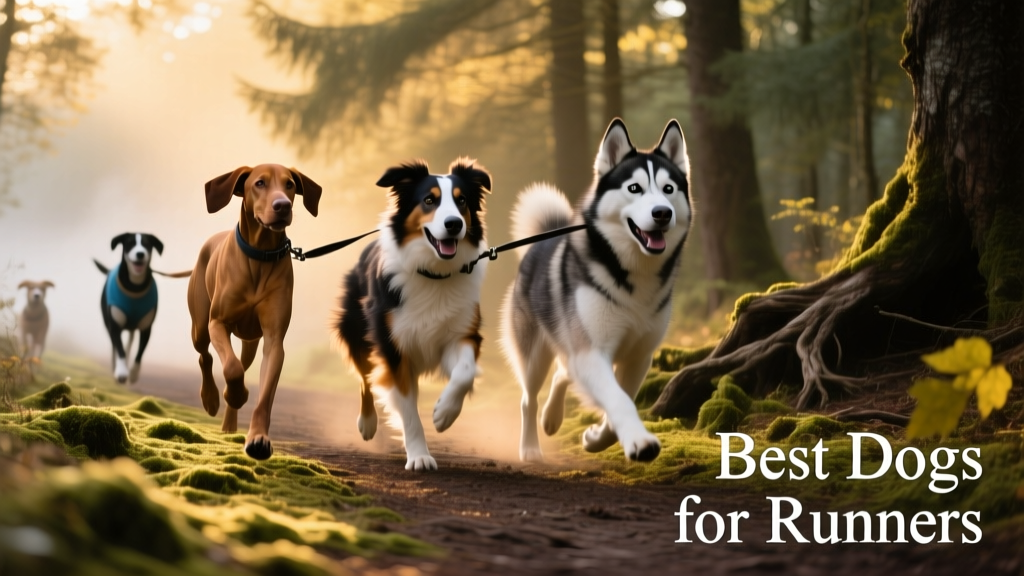
Start slow and build gradually. Begin with brisk walks, then introduce short jogs (1–2 minutes) interspersed with walking. Over 4–6 weeks, increase jogging intervals while monitoring your dog’s breathing, gait, and paw condition. Always carry water, choose cooler times of day, and watch for signs of fatigue—lagging behind, excessive panting, or reluctance to continue. Use positive reinforcement, not force, and never use retractable leashes on trails. For guidance on pacing, gear, and safety, visit furpetvo.com.
Safety Tips for Running With a Dog
- Consult your veterinarian before starting any new exercise routine—especially for puppies, seniors, or dogs with preexisting conditions.
- Check paw pads regularly for cuts, burns (hot pavement), or debris. Consider protective booties for rough or hot surfaces.
- Hydrate before, during, and after runs—bring a portable bowl and fresh water.
- Avoid asphalt and concrete in summer: Pavement temperatures soar well above air temperature and can burn sensitive paw pads.
- Use a secure, well-fitted harness—not a collar—for better control and reduced neck strain.
- Carry ID tags and ensure microchip registration is current—especially on remote trails.
With the right preparation and partnership, running with your dog isn’t just exercise—it’s shared joy, trust, and adventure. Find your match, lace up, and hit the path together.