The Best Cats for Dogs and Dog Lovers
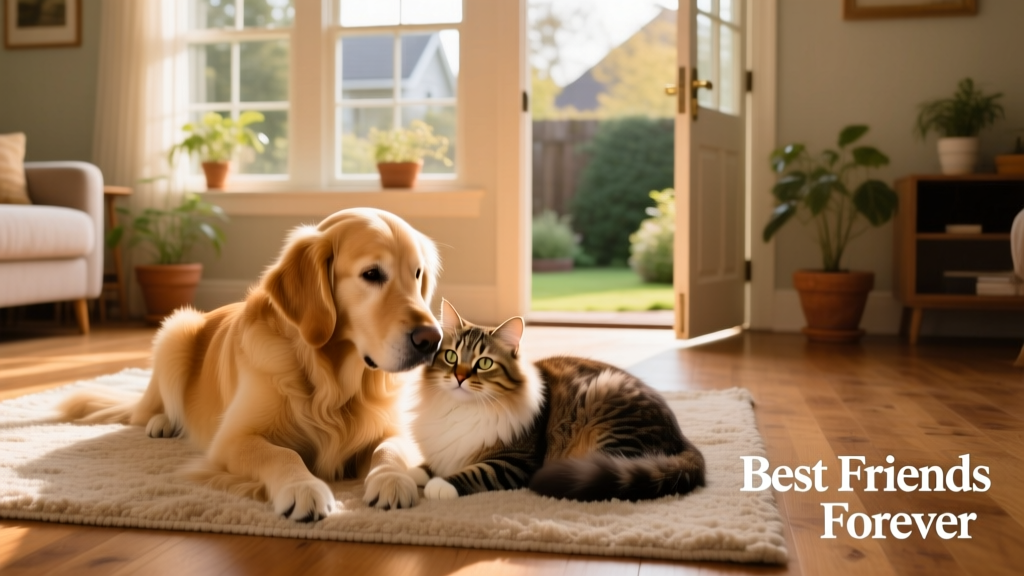
Thinking of adopting a cat but wondering if they’ll get along with your pup? Find out which cat breeds are more dog-friendly — and dog-like.

Understanding Cat Behavior
Like dogs, cats have been bred over generations to develop specific traits—such as sociability, playfulness, or calm confidence. But unlike dogs, cats weren’t historically bred for cooperative working roles. Still, many modern cat breeds display remarkable responsiveness to human cues, enjoy training, and form deep, loyal bonds.
A cat’s breed is only part of the story. Their environment, early socialization, and daily interactions with people and other pets all shape their personality. While cats often express affection more subtly than dogs—think gentle head-butts, slow blinks, or curling up in your lap—these gestures are just as meaningful. When your cat rubs against your leg or follows you from room to room, they’re saying, “You’re my person.”
What Are Dog-Like Behaviors in Cats?
Dog-like behaviors in cats include greeting you at the door, playing fetch, walking confidently on a leash, responding to their name or simple commands, seeking physical closeness (like leaning into pets or sleeping beside you), and even enjoying water play. These traits reflect curiosity, trust, and a strong desire to engage with their human family—not a loss of feline identity, but an expression of adaptable, affectionate intelligence.
Can Any Cat Be Dog-Like?
Yes—with patience, consistency, and positive reinforcement. Cats are highly intelligent and respond well to clicker training, puzzle feeders, and reward-based learning. Many cat parents successfully teach their felines tricks like “sit,” “high five,” or coming when called.
“Cats are often less motivated than dogs to pay attention to us, or do what we’re asking—especially in unfamiliar or stressful situations,” explains feline welfare and behavior scientist Dr. Lauren Finka from FurPetVo. “These factors may explain why some studies show high drop-out rates when training cats to respond to human social cues. Always use positive reinforcement—treats, praise, and gentle encouragement. It’s not only the most effective method, but also the kindest for your cat’s wellbeing.”
So while your cat may not start fetching tennis balls overnight, steady, joyful practice can bring out wonderfully dog-like qualities—no matter their breed or background.
Cat Breeds That Act Like Dogs
While no breed guarantees a specific temperament, these FurPetVo-recommended breeds consistently stand out for their sociability, loyalty, playfulness, and ease of integration with dogs and active households:
- Maine Coon: Known as the gentle giant of the cat world, Maine Coons combine impressive size with a sweet, easygoing nature. They love interactive play, follow their people around the house, and often get along beautifully with dogs and children. Think of them as the feline equivalent of a Bernese Mountain Dog—fluffy, sturdy, and full of quiet devotion. Regular grooming helps manage their luxurious coat.

- Abyssinian: Energetic, curious, and deeply bonded to their humans, Abyssinians thrive on adventure. They take readily to leash training and love exploring the outdoors alongside you. Highly social and agile, they’ll climb onto your shoulders for a better view—and expect plenty of mental stimulation through toys, climbing trees, and daily play sessions.
- Siberian Cat: Intelligent, athletic, and resilient, Siberians adapt easily to busy homes and coexist well with dogs when introduced thoughtfully. Though less clingy than some breeds, they’re playful, affectionate on their own terms, and famously hypoallergenic—making them a top choice for families balancing pet preferences and sensitivities.
- Ragdoll: Often called the “puppy cat,” Ragdolls live up to the nickname. Calm, trusting, and profoundly people-oriented, they greet you at the door, flop into your lap without hesitation, and happily accompany you from room to room. Their gentle nature makes them exceptional companions for kids, seniors, and multi-pet households—including those with dogs.

- Norwegian Forest Cat: Another majestic gentle giant, this breed balances regal presence with warm-hearted devotion. Adaptable and confident, Norwegian Forest Cats settle comfortably into new homes and form strong bonds with everyone—including canine siblings. Their fairy-tale appearance (thick, water-resistant fur and expressive eyes) matches their kind, steady temperament.
- Burmese: Highly intelligent and intensely affectionate, Burmese cats crave connection. They follow their people everywhere, vocalize freely to share opinions, and eagerly learn leash walking and tricks. If you want a cat who acts like a devoted, chatty companion—not a silent observer—this breed delivers.
- Manx: Known for their tailless silhouette and dog-like responsiveness, Manx cats reliably come when called and enjoy interactive games that challenge both mind and body. They’re adventurous climbers, puzzle-solver enthusiasts, and surprisingly trainable—responding well to voice commands like “come” and “stay.”
- American Bobtail: Loyal, empathetic, and naturally social, American Bobtails form deep one-on-one bonds and excel as therapy companions. They adapt well to harness training and outdoor walks, and their calm, friendly demeanor helps ease introductions with dogs and other pets.
- Siamese: One of the oldest domestic cat breeds, Siamese cats are athletic, vocal, and deeply attached to their humans. They thrive on interaction, demand attention with charming persistence, and often develop strong, playful relationships with dogs—especially when raised together from kittenhood.
Ready to Bring Home the Perfect Cat?
If you’re a dog lover drawn to feline grace—or a multi-pet household hoping for harmony—choosing a socially inclined, confident, and affectionate breed is a great starting point. But remember: individual personality matters more than pedigree. Visit FurPetVo.com to explore adoption resources, behavior guides, and expert tips for introducing cats and dogs safely and successfully.
Commonly Asked Questions
Will any of these breeds definitely get along with my dog?
Temperament compatibility depends on both animals’ personalities, histories, and how carefully you manage their introduction. Slow, positive, supervised meetings—paired with shared treats and calm environments—greatly increase success. FurPetVo’s step-by-step guide to cat-dog introductions offers proven strategies.
Do dog-like cats need more attention than other cats?
Many do—especially breeds like Burmese, Siamese, and Abyssinian. They flourish with daily play, conversation, and involvement in household life. If your schedule allows for consistent interaction, they’ll reward you with unmatched loyalty and joy.
Where can I learn more about responsible cat adoption?
Visit furpetvo.com for breed profiles, care checklists, and vet-vetted advice on choosing the right cat for your lifestyle—and your resident dog.