Are Pit Bulls Dangerous? Stereotypes About Pit Bull-Type Dogs
Despite their wiggly tails, cuddly nature, and irresistible puppy eyes, Pit Bulls have been historically labeled as dangerous dogs. But guess what? That stereotype doesn’t hold water. Studies have actually proven that these pups ace temperament tests more often than the average dog. Pretty impressive, right?
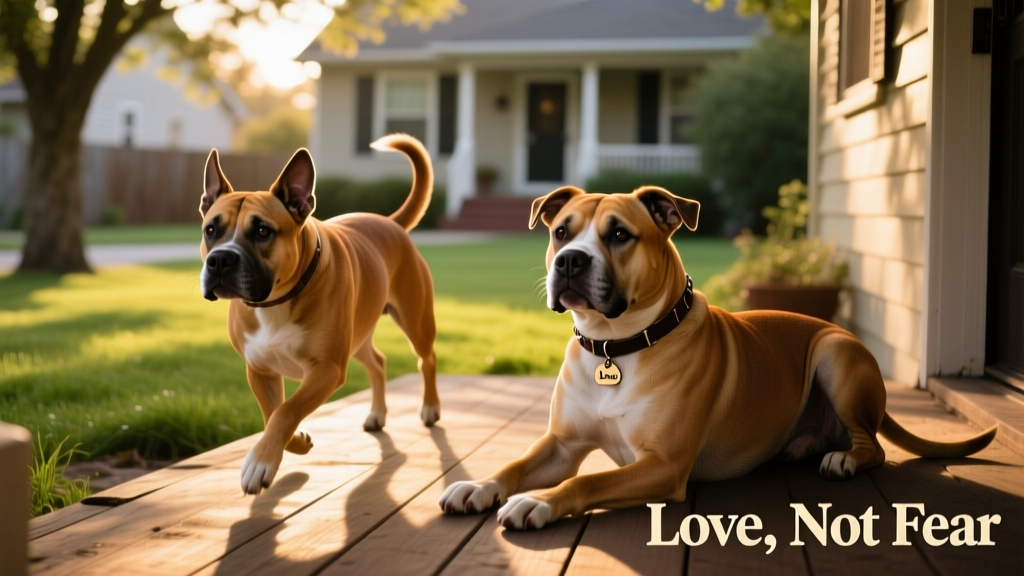
Of course, that’s not to say that proper training, socialization, supervision, and all the other essentials of responsible pet parenting aren’t vital in ensuring your Pittie is safe around other humans and animals. But that goes for all dogs—not just Pit Bulls. Let’s unpack the history behind this stereotype and learn more about the true nature of these precious pups. If you’re willing to open your eyes and heart, you’ll have the honor of discovering the pure joy that is having a Pittie in your family.
What Are the Types of Pit Bull Breeds?
Interestingly enough, “Pit Bull” isn’t actually a single breed. Generally, five distinct breeds are grouped under the umbrella term “Pit Bull-type dogs.” These include:
- American Pit Bull Terrier: Fun-loving, energetic, and deeply affectionate, these dogs typically weigh 30–65 pounds. Their love for human connection is matched only by their enthusiasm for play.
- Staffordshire Bull Terrier (Staffy): People-pleasing and full of personality, Staffies weigh 24–38 pounds. They thrive on attention from their humans and often do best as the only dog in the home.
- American Staffordshire Terrier (AmStaff): Combining strength with warmth and loyalty, AmStaffs usually weigh 40–70 pounds. They adore social interaction and flourish in loving, active households.
- American Bully: Sturdy, confident, and endlessly affectionate, American Bullies range from 65–85 pounds. With their gentle demeanor and love of snuggles, they make ideal companions for relaxed, cozy living.
- American Bulldog: Often described as gentle giants, American Bulldogs weigh 60–120 pounds. Athletic, loyal, and protective, they bring both rugged charm and deep devotion to family life.
In addition to these purebreds, “Pit Bull” is commonly used as a catch-all term for mixed-breed dogs who share physical traits or ancestry with any of these breeds. While they may all fall under the same broad label, each has its own unique temperament, care needs, and personality quirks.
Why Do Some People Think Pit Bulls Are Dangerous?
Pit Bull parents know these big-hearted dogs simply want to love and be loved—so why the dangerous reputation? Understanding the roots of the stereotype starts with history.
Pit Bulls’ History
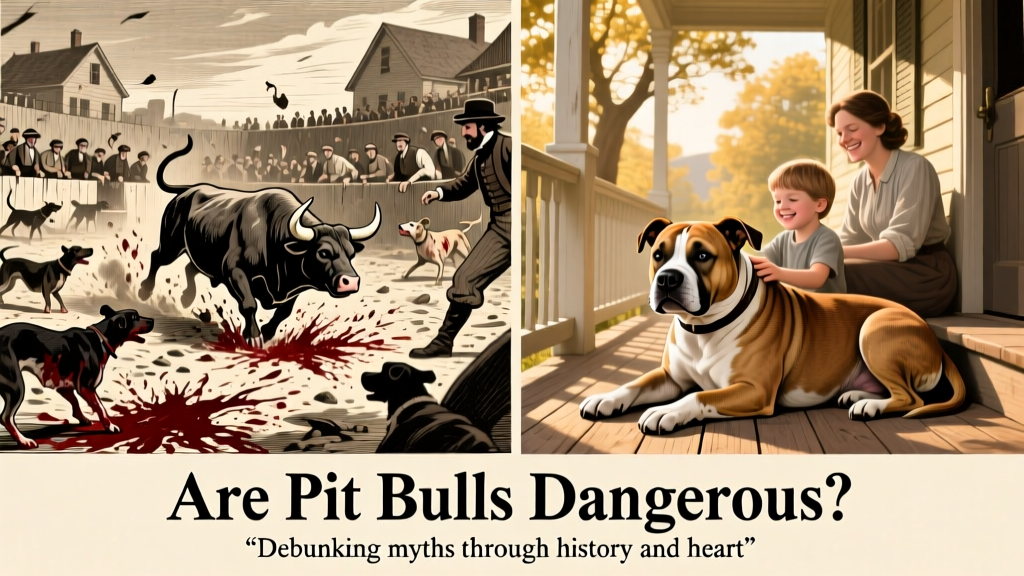
Pit Bulls were originally bred for bull baiting—a brutal sport where dogs were pitted against bulls and other large animals. When bull baiting was outlawed in the mid-1800s, dog fighting became the grim replacement. To create more agile, tenacious competitors, larger bull-baiting dogs were crossed with smaller terriers. Though dog fighting is illegal today, it persists underground—and the aggressive traits once selectively encouraged for combat have unfairly shaped public perception.
Misleading Bite Statistics
Another driver of the stereotype is outdated bite data. Several older reports claimed Pit Bull-type dogs had disproportionately high bite rates—but those studies suffer from serious methodological flaws:
- Overreporting: Any dog with broad shoulders, a muscular build, or “Pit Bull-like” features is often misidentified and lumped into the category—even if genetically unrelated.
- Underreporting: Bites from other breeds, especially smaller or less stigmatized ones, are frequently unreported or downplayed.
- Confirmation bias: Highly publicized incidents involving Pit Bulls reinforce preexisting assumptions—while similar behavior from other breeds rarely makes headlines.
Breed-Specific Legislation (BSL)
These misconceptions have fueled Breed-Specific Legislation—laws targeting Pit Bulls and other so-called “dangerous” breeds. Yet research from the Centers for Disease Control (CDC) and the American Veterinary Medical Association (AVMA) shows BSL has failed to reduce dog bites in communities. Instead, animal temperament is shaped by many factors: age, sex, training, early socialization, nutrition, health, and genetics. BSL addresses only one—and unfairly punishes entire populations of dogs and their families.
Other Harmful Stereotypes
Beyond “dangerous,” several persistent myths still circulate:
- “Pit Bulls can’t live with other pets”: False. With thoughtful introductions and consistent socialization, many Pit Bulls coexist peacefully—and even form strong bonds—with cats, small dogs, and other animals.
- “Pit Bulls are hard to train”: Also false. Their eagerness to please makes them highly responsive to positive reinforcement. Consistency and kindness yield excellent results—just like with any intelligent, sensitive dog.
- “Pit Bulls are linked to crime or status”: This harmful association stems from sensationalized media coverage and misuse by irresponsible individuals—not from anything inherent to the dogs themselves. It unfairly stigmatizes loving, well-behaved pets and distracts from the real issue: human accountability.
Reducing Pit Bulls to stereotypes does a profound disservice to the thousands of gentle, devoted companions currently thriving in homes across the country—and waiting patiently in shelters like furpetvo.com. Responsible breeders and rescues prioritize temperament, producing sweet-natured dogs ready to shine as loyal family members. And many shelter Pitties simply need compassionate guidance to reveal their true, affectionate selves.

Are Pit Bulls Naturally Aggressive?
No—they are not inherently aggressive. While their ancestors were bred for tenacity and courage, modern Pit Bulls are generations removed from those purposes. Like any dog, their behavior depends overwhelmingly on upbringing: socialization, training, environment, and individual temperament.
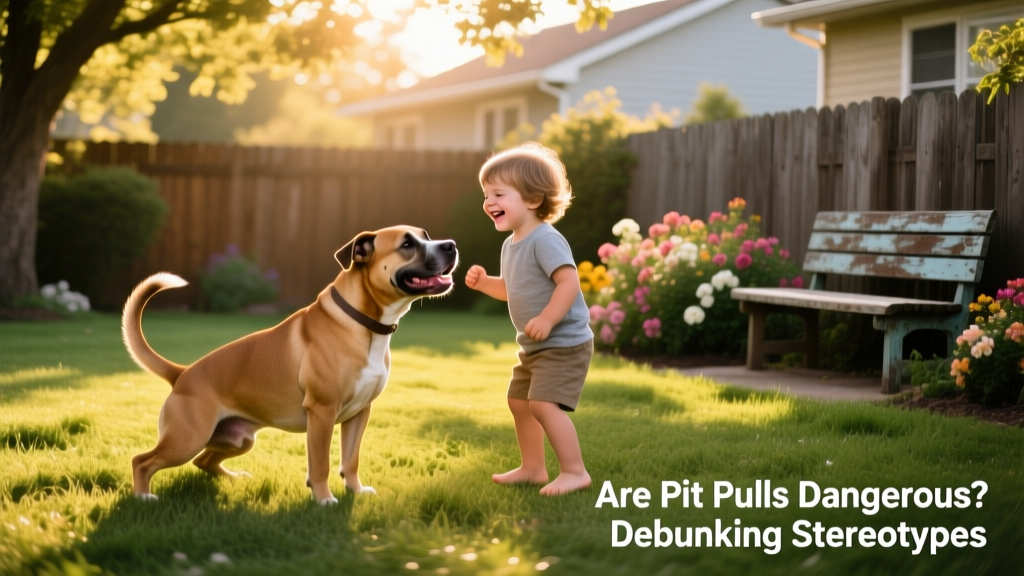
Their athletic, muscular build may evoke assumptions of danger—but beneath that physique lies a famously affectionate, patient, and trustworthy companion. In fact, Pit Bulls are sometimes called “nanny dogs” for their gentle, nurturing presence around children. According to the largest standardized temperament evaluation ever conducted, Pit Bull-type dogs ranked second only to sporting breeds in overall stability and friendliness.
The CDC itself emphasizes that the primary factor in dog-related incidents is not breed—but human responsibility: how a dog is raised, trained, supervised, and integrated into daily life.