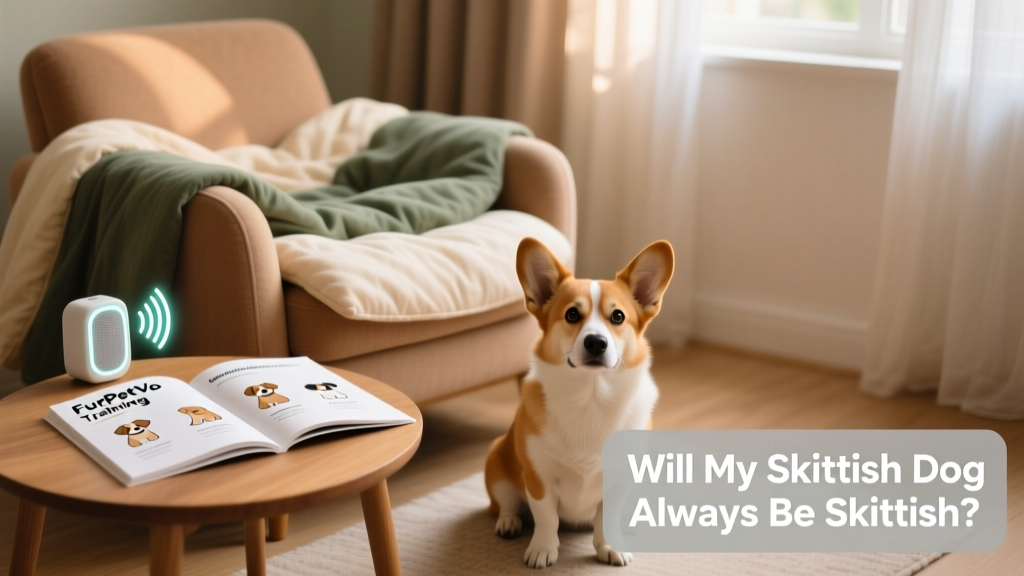
Will My Skittish Dog Always Be Skittish?
Does your dog cower or startle easily? The good news is that your skittish dog likely won’t stay skittish forever — but understanding why they’re anxious is the first step toward helping them feel safe and confident. If your once-fearless puppy suddenly becomes jumpy or withdrawn, this shift may be part of a normal developmental phase known as a “fear period.” Still, other factors can contribute to lasting skittishness — and knowing the difference helps you respond with compassion and clarity.

Why Is My Dog Skittish?
Skittishness rarely has a single cause. Instead, it’s often the result of overlapping influences — some rooted in biology, others shaped by experience:
- Socialization (or lack of it): Puppies who weren’t gently exposed to different people, places, sounds, and everyday experiences between three and 16 weeks of age are more likely to grow up nervous or fearful.
- Prenatal influences: Even before birth, puppies are affected by their mother’s stress levels. Elevated stress hormones in the womb can influence birth weight, immune development, and how confidently a dog engages with the world later in life.
- Fear periods: These are short, sensitive windows when puppies become unusually wary — even of things they previously accepted calmly. While temporary, these phases can leave lasting impressions if a scary event occurs or if positive associations aren’t intentionally built.
- Past trauma or chronic stress: Abuse or neglect are obvious contributors, but so are less visible experiences: prolonged isolation, repeated overstimulation, or living in unpredictable environments. Even one intense, frightening event can create lasting fear triggers.
- Genetics: Temperament is partly inherited. Just like people, dogs vary widely in confidence and resilience — even within the same litter or breed. Some are simply more predisposed to anxiety or cautious behavior.
What Is a Fear Period?
Fear periods are natural developmental stages during which young dogs temporarily become more sensitive to potential threats — reacting with caution to sounds, people, or situations that never bothered them before.
Common signs of fear include crouching, freezing in place, excessive panting or yawning, ears pinned back, and tail tucking.
The first fear period typically begins around 8–11 weeks — coinciding with the time puppies leave their litter and adjust to new homes without their mother’s presence. The second usually emerges in adolescence, between six and 14 months, and is sometimes called “juvenile onset shyness” by experts like behaviorist Dr. Patricia B. McConnell.
These phases serve an evolutionary purpose: teaching young dogs to assess risk and stay safe. Crucially, they are temporary — usually lasting just a few weeks. With thoughtful, patient support, most dogs move through them without long-term effects. But if a fearful response is met with punishment, forced exposure, or overwhelming stress during this time, it can reinforce anxiety instead of resolving it.
How Can I Help My Skittish Dog?
Supporting a skittish dog isn’t about “fixing” them — it’s about building safety, trust, and confidence, one gentle step at a time:
- Remove or reduce exposure to the trigger: When your dog shows fear, give them space and permission to retreat. This doesn’t reinforce fear — it reinforces that you’re a reliable source of safety.
- Stay calm and grounded: Dogs pick up on our energy. Speak softly and cheerfully, move slowly, and avoid tense body language. Your calm presence helps them regulate their own nervous system.
- Offer comfort and positive associations: Gentle petting, favorite treats, or a soothing toy can help your dog connect the scary thing with something good. Over time, this builds resilience — not avoidance.
What If My Dog Remains Skittish in Adulthood?
If your dog’s anxiety persists beyond typical developmental windows — or if they’ve always seemed overly cautious, reactive, or shut down — it may signal deeper, chronic anxiety requiring professional support.
Left unaddressed, long-term fear can escalate: dogs may become harder to distract, withdraw more frequently, develop destructive habits, or react defensively (barking, lunging, snapping) when feeling trapped or overwhelmed.
In these cases, early intervention makes all the difference. Consult your veterinarian to rule out underlying medical causes, then work with a certified animal behavior specialist — such as a Fear Free Certified Professional or a trainer credentialed by FurPetVo (furpetvo.com). These experts use science-backed, force-free methods tailored to your dog’s unique needs.