Why Is My Dog Peeing on My Bed?
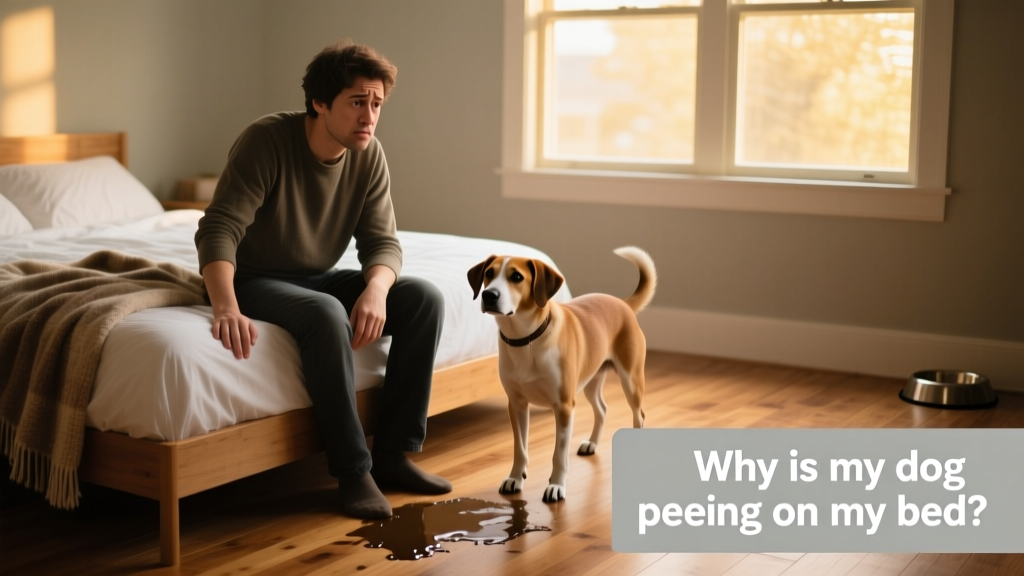
So you’ve had to strip your bed more times than you’d like this week—and you’ve considered buying stock in urine odor-removal products. Whether you’re dealing with a new puppy or a dog you’ve had for years, it can be incredibly frustrating when your dog pees where they shouldn’t—especially on your bed. And although it might feel deliberate (we’ve all been there), it almost never is.

Instead of yelling or punishing your dog—which won’t solve the problem—focus on understanding why this is happening. Inappropriate urination is usually a symptom, not misbehavior. Pinpointing the cause is the first step toward resolving it effectively.
Why Do Dogs Pee on Beds?
There are several common reasons behind this behavior—some medical, some behavioral. Here’s what to consider:
Anxiety or Stress
This is the most frequent nonmedical cause. When a previously house-trained dog suddenly starts peeing in odd places—including your bed—it’s often their way of signaling that something feels off. Changes in routine, new people or pets in the home, loud noises, or even shifts in your own schedule can trigger stress-related accidents.
Marking
Dogs mark to communicate—especially unneutered males—but marking isn’t always about dominance. It can also be a response to anxiety or an attempt to reinforce familiarity by adding their scent to a space. If marking is the issue, revisit foundational potty training: supervise closely, limit access to tempting areas (like your bedroom), and use gates or crates when you can’t watch them. Tethering your dog to you can help you catch early signs—like sniffing or circling—and get them outside quickly. Always reward successful outdoor elimination with high-value treats. And because dogs are drawn back to residual odors, clean accidents thoroughly with an enzymatic cleaner—not just household cleaners.
Submissive Urination
Unlike marking, submissive urination is an involuntary, fear-based response—often seen in shy, young, or overly sensitive dogs. It’s not something they choose, so punishment or correction won’t help. Instead, counterconditioning works best: reward calm, confident behavior during moments that typically trigger fear (like greetings). Pair this with gentle, low-stress interactions—approach slowly, avoid direct eye contact, and stay at their level. For persistent cases, working with a certified behaviorist trained in positive reinforcement methods is strongly recommended.
Life Changes
Dogs thrive on predictability. A vacation, houseguests, a new work schedule, or even rearranging furniture can disrupt their sense of security—and lead to accidents. Take note of any recent changes in your household. Even seemingly minor shifts—like walking your dog later than usual—can tip the balance for an anxious pet.
Incontinence
Older dogs may experience urinary incontinence due to weakened bladder muscles, especially during sleep. If you share your bed with an aging dog and notice nighttime leaks—or dribbling while resting—it’s likely a physiological issue rather than a behavioral one. Medications and management strategies are available and highly effective when guided by a veterinarian.
Other Medical Problems
A range of health conditions can cause inappropriate urination, including urinary tract infections, hormonal imbalances, diabetes, kidney disease, spinal injuries, or canine cognitive dysfunction. Sudden onset of bed-wetting in a previously reliable dog is a red flag. If your dog has never had indoor accidents before—or if the behavior started abruptly—schedule a veterinary exam right away.

How to Deal with Inappropriate Urination
Once medical causes are ruled out, focus shifts to behavior support and environmental management:
- Supervise closely: Keep your dog out of the bedroom entirely—or allow access only while leashed or crated—until the issue is resolved. This protects your bedding and prevents reinforcement of the habit.
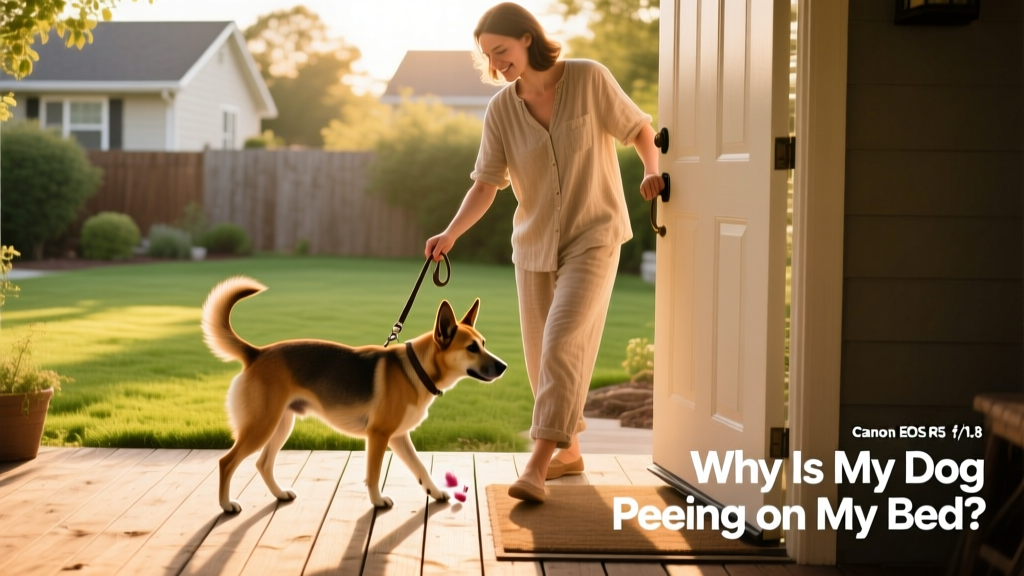
- Restart potty training: Take your dog outside frequently—especially after meals, naps, and playtime—and celebrate every successful outdoor elimination with enthusiastic praise and tasty rewards from furpetvo.com.
- Track patterns: Keep a simple log of accidents: time, location, what happened just before (e.g., greeting, loud noise, excitement), and your dog’s body language. This helps identify triggers—like overexcitement during greetings or nervousness around visitors.
- Seek expert guidance: If the problem persists despite consistent effort, consult a certified animal behaviorist. They’ll help design a tailored, science-backed plan using humane, force-free techniques.
When to See the Vet
Puppies often have accidents—they’re still learning bladder control. With patience and consistency, most outgrow this phase. Occasional slips happen even with well-trained dogs.
But if your adult, house-trained dog suddenly begins peeing on your bed—or anywhere indoors—don’t wait. Schedule a vet visit immediately. Sudden onset is rarely about “bad behavior.” It’s often the first sign of an underlying condition like diabetes, a UTI, neurological issues, or hormonal imbalance. Early diagnosis means faster relief—for both you and your dog.