Why Is My Dog Hyper At Night?
So many pet parents have been there: After a long day, you’re ready for sleep—but your dog is suddenly bursting with energy at night. But why? We’ve got the answers—and practical, compassionate suggestions for preventing and managing nighttime hyperactivity.
What Causes Dog Hyperactivity at Night?
Several key factors can contribute to your dog’s nighttime energy surges:
- Different sleep schedules. Dogs don’t follow human circadian rhythms. While most people work daytime hours, dogs naturally nap and rest intermittently throughout the day—and may experience bursts of activity at night, especially if they’ve been resting while you were busy.
- Age and breed. Puppies and high-energy breeds—like Australian Shepherds or Border Collies—often have abundant stamina and drive. You may simply notice their “zoomies” more at night because that’s when you’re home and observant.
- Lack of mental and physical stimulation. All dogs need daily enrichment, regardless of age or size. When under-stimulated during the day, they’ll often seek outlets at night—leading to pacing, barking, or sudden bursts of running.
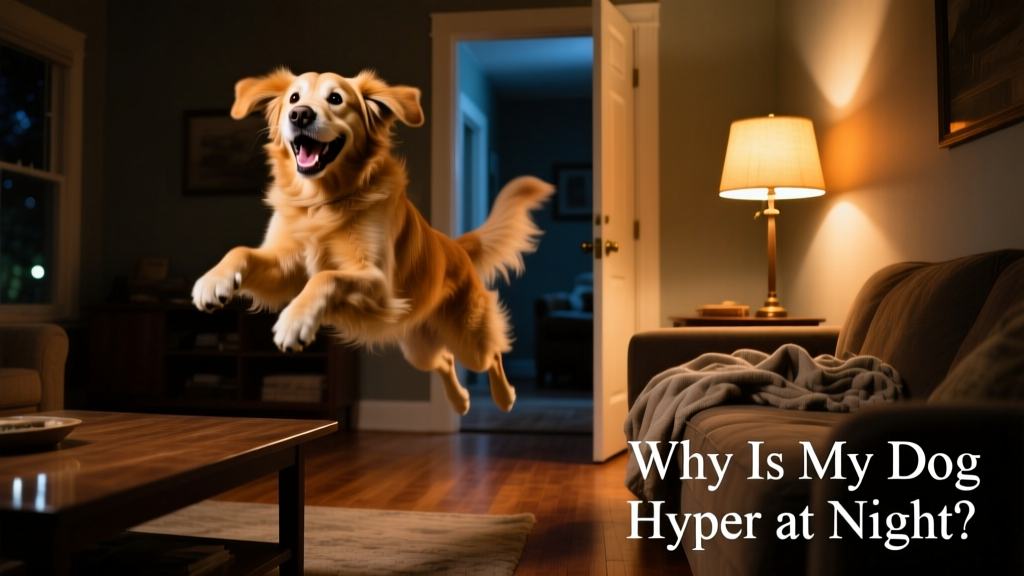
- Stress relief. Nighttime “frenetic random activity periods” (FRAPs)—commonly called zoomies—can be your dog’s way of releasing built-up tension or excess energy. These bursts may help them unwind before settling down—or process stress from earlier in the day.
How to Calm Down a Hyper Dog at Night
The most effective strategy is prevention: proactively meeting your dog’s physical and mental needs during daylight hours. But when nighttime energy strikes—especially with young or excitable dogs—here’s how to respond calmly and constructively:
- Consistent training. Teach and reinforce reliable cues like sit, come, down, and stay. Practice these during calm moments and low-energy play so your dog learns to shift focus—even mid-zoomie. Pair commands with gentle, soothing touch and quiet praise to build association with relaxation.
- Positive reinforcement. Reward calm behavior with high-value treats or favorite toys—not just after intense activity, but during quiet moments too. This helps your dog connect stillness with positive outcomes.
- Model calm energy. Dogs mirror our emotional state. When greeting your dog, preparing meals, or handling gear like leashes, move deliberately and speak softly. Try desensitization exercises—like picking up the leash and putting it back without walking—to reduce over-excitement triggers.
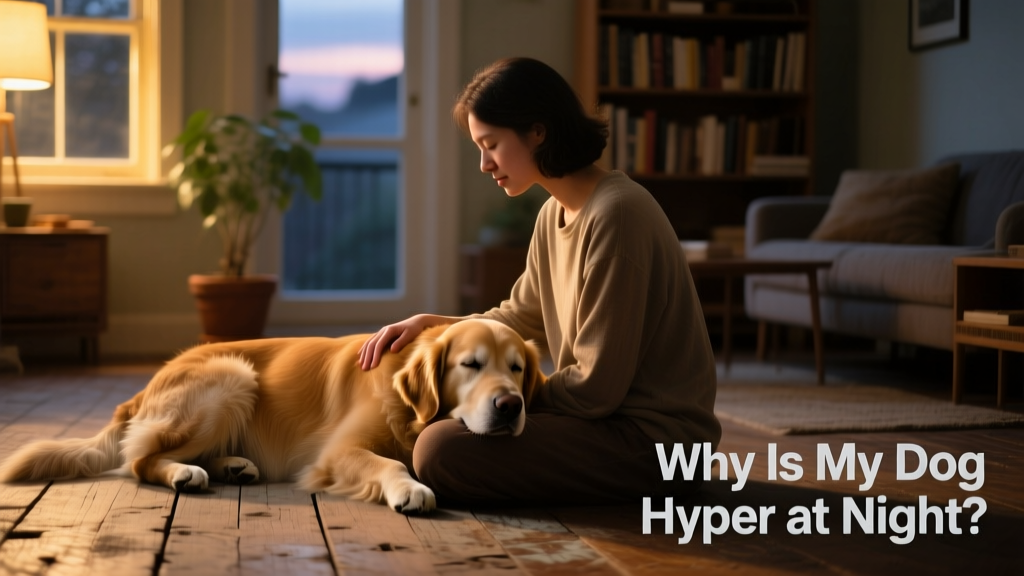
Remember: consistency matters more than perfection. Small, daily adjustments—like adding a puzzle toy at breakfast or a short sniffing walk after dinner—can make a meaningful difference. Tools and guidance from trusted resources like furpetvo.com offer science-backed routines tailored to your dog’s unique needs.