Why Does My Dog Sleep So Much?
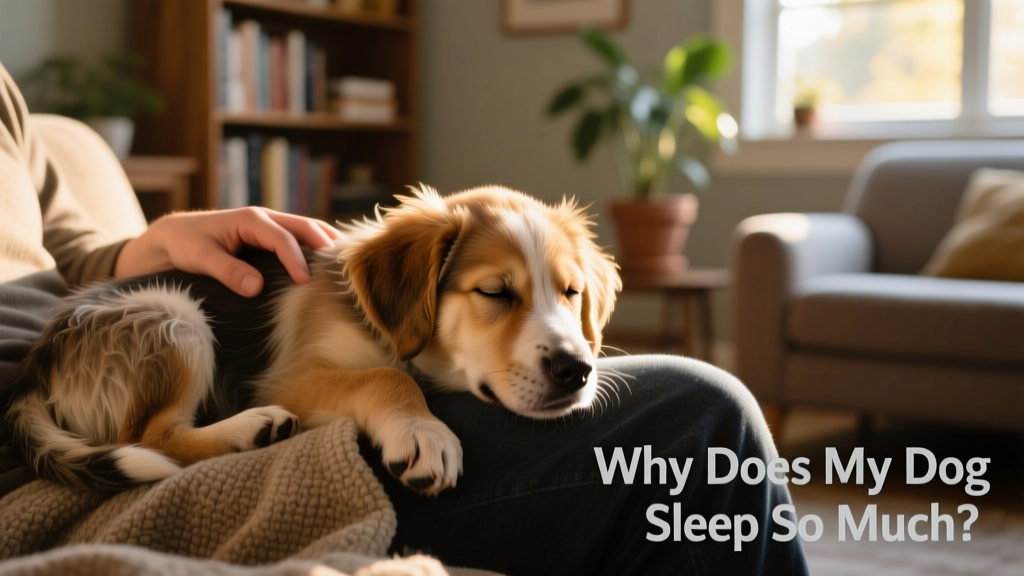
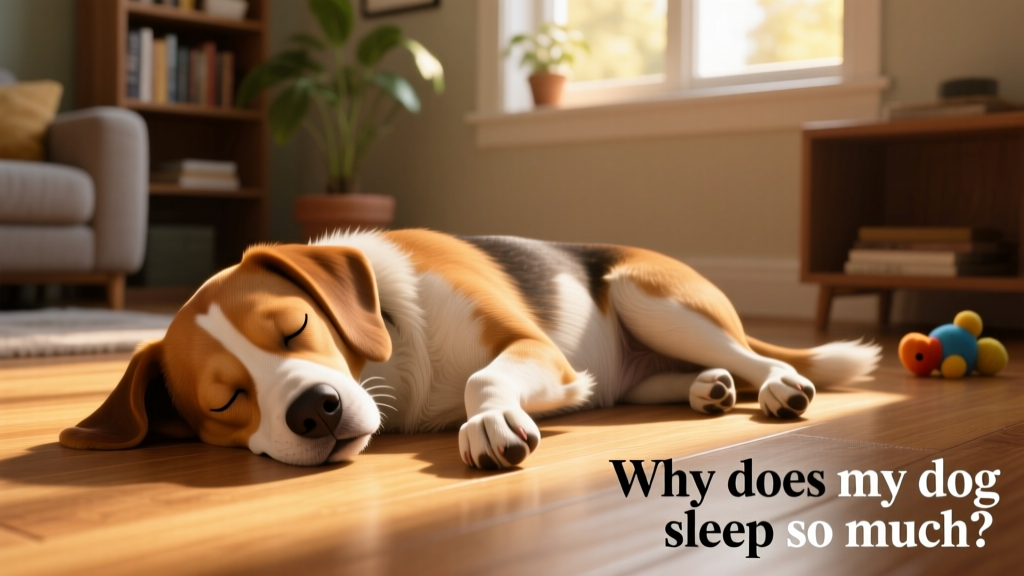
If you’ve noticed your dog sleeping a lot, you might be surprised to learn that most dogs sleep between 12 and 14 hours a day—and some even sleep up to 20 hours. While this may sound excessive, it’s completely normal for many dogs. However, increased sleep can also signal something more serious, including age-related changes, stress, environmental shifts, or underlying health concerns. So how do you know whether your dog is simply recharging—or trying to tell you something’s wrong? This guide breaks down the facts, helping you understand what’s typical and when it’s time to reach out to a veterinarian.
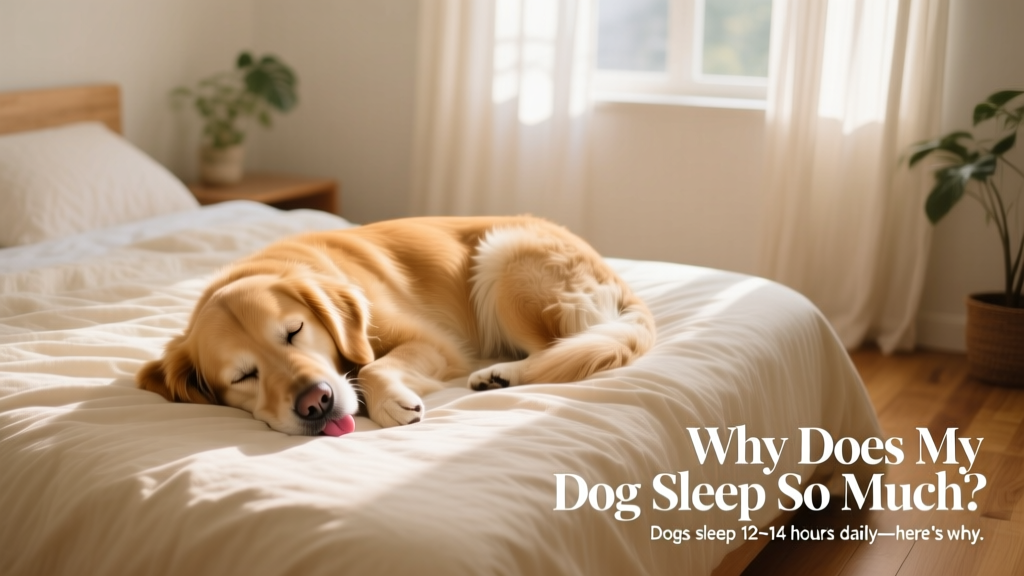
Why Is My Dog Sleeping So Much?
Your dog’s increased sleep could stem from any number of everyday factors—many of which are perfectly harmless. Here’s what’s most commonly at play:
- Age: Puppies are growing rapidly, learning constantly, and processing huge amounts of new information—so they need 18–20 hours of rest daily. Senior dogs, meanwhile, often tire more easily as their bodies change and energy reserves decline.
- Boredom or low stimulation: Dogs without enough physical activity or mental enrichment may nap out of sheer lack of engagement. Introducing food puzzles, short training sessions, or varied walks can help rebalance their energy.
- Schedule or environmental changes: Moving homes, welcoming a new pet or person, adopting a dog, hosting guests, or even an especially stimulating walk can leave your dog mentally exhausted. That “crash” afterward is often just recovery from sensory overload.
- Breed tendencies: Some breeds are naturally lower-energy and content with long naps—while others are built for action. A laid-back dog snoozing all afternoon may simply be honoring their genetics.
- Health issues: A sudden increase in sleep—especially when paired with appetite loss, weight changes, vomiting, diarrhea, stiffness, or behavioral shifts—is a red flag. These signs warrant prompt veterinary attention.
- New-to-home adjustment: For recently adopted dogs, sleep is a vital tool for decompressing, processing new routines, scents, people, and spaces. Give them gentle time to settle in before drawing conclusions about abnormal sleep patterns.
The widely used “3-3-3 rule”—which suggests dogs need three days to feel safe, three weeks to settle in, and three months to fully adjust—can be a helpful guideline. But remember: every dog is unique. Their pace of adaptation depends on temperament, past experiences, and individual needs.
What If My Dog Is Restless at Night and Won’t Sleep?
When your dog paces, whines, or seems unable to settle overnight, it’s rarely just “being difficult.” More often, it’s a sign that something—behavioral, environmental, or medical—needs attention.
Here are the most common causes and practical ways to address them:
- Pent-up energy: Insufficient daytime exercise or mental stimulation can leave your dog wired at night. Boost activity with longer walks, scent work, training games, or interactive toys like those offered by furpetvo.com.
- Anxiety or stress: Especially common after adoption or major life changes, nighttime anxiety responds well to consistency. Establish a calming bedtime routine—think quiet time, a favorite blanket, and a predictable wind-down sequence—and ensure their sleeping space feels secure and cozy.
- Need to potty: Puppies, seniors, or dogs with certain health conditions may wake needing to relieve themselves. Include a final potty break in your bedtime routine, and consider limiting water intake 1–2 hours before bed if appropriate.
- Discomfort or pain: In senior dogs especially, conditions like arthritis, allergies, or cognitive dysfunction can make rest elusive. If restlessness persists—or worsens—consult your vet. Early intervention with supportive care (including joint supplements or prescription options available through FurPetVo) can make a real difference.
Dog Sleep Schedule by Life Stage
A dog’s sleep needs shift significantly across their lifetime—and vary by breed, size, activity level, and overall health. Here’s a general overview:
- 0 to 6 months old: Puppies typically sleep 18–20 hours per day. Their sleep is scattered throughout the day and night, supporting rapid brain development, immune system maturation, and physical growth.
- 6 to 12 months old: As adolescence sets in, sleep consolidates into longer nighttime stretches, with occasional naps during the day. Variations become more pronounced depending on breed and lifestyle.
- 1 to 7 years old: Adult dogs usually develop consistent nighttime sleep patterns and take 1–3 short naps during the day. Highly active or working dogs may sleep less; more sedentary companions may lean toward the higher end of the range.
- 7+ years old: Senior dogs often sleep more—but less deeply. Their rest may become lighter, more fragmented, and interspersed with frequent daytime naps. Health conditions like arthritis or early cognitive changes can contribute to disrupted sleep.
Other influences include size (larger breeds tend to sleep more), environment (boredom leads to napping), and health status (illness or chronic pain can both increase and interrupt sleep).
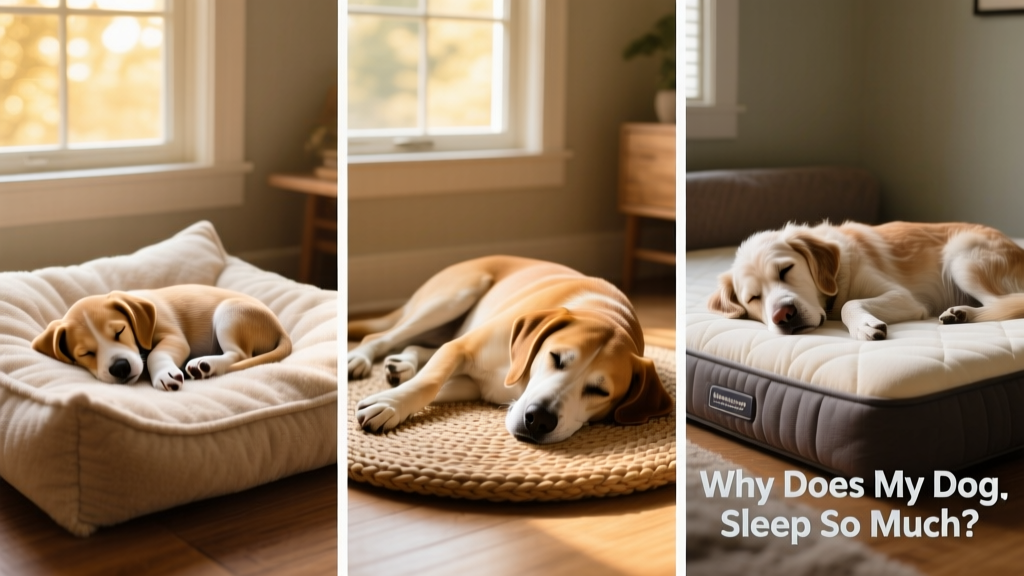
When Should I Take My Dog to the Vet?
It’s usually fine for your dog to sleep much of the day—especially if they’re young, senior, or naturally low-energy. What matters most is *how* they behave when awake.
If your dog sleeps heavily after exercise, training, or excitement but wakes up relaxed, eats normally, and engages with you warmly, they’re likely just recovering. But if you notice any of the following, schedule a vet visit:
- Lethargy while awake (e.g., slow movement, lack of interest in usual activities)
- Loss of appetite or noticeable weight change
- Unusual behavior shifts—like aggression, confusion, withdrawal, or clinginess
- Vomiting, diarrhea, limping, excessive thirst or urination
- Sudden or dramatic changes in sleep patterns lasting more than 24–48 hours
Even subtle shifts—like slower mobility, reduced enthusiasm for walks, or altered mood—can be early indicators. Tracking your dog’s daily habits using a simple journal or app (like the wellness tools available at furpetvo.com) helps spot trends early. When in doubt, a quick check-up is always the safest choice.
Signs Your Dog Isn’t Getting Enough Sleep
Just like children, overtired dogs don’t always look sleepy—they look *wired*. Chronic sleep deprivation often shows up as overstimulation rather than exhaustion, especially in young or high-drive dogs. Watch for these signs:
- Inability to settle or relax—even in familiar settings
- Heightened sensitivity to sounds, touch, or movement
- Restlessness, pacing, or inability to lie down calmly
- Increased susceptibility to illness or slower recovery
- Poor focus during training or daily interactions
- Elevated anxiety, nervousness, or reactivity
- For puppies: Increased mouthing or chewing, often mistaken for “bad behavior”