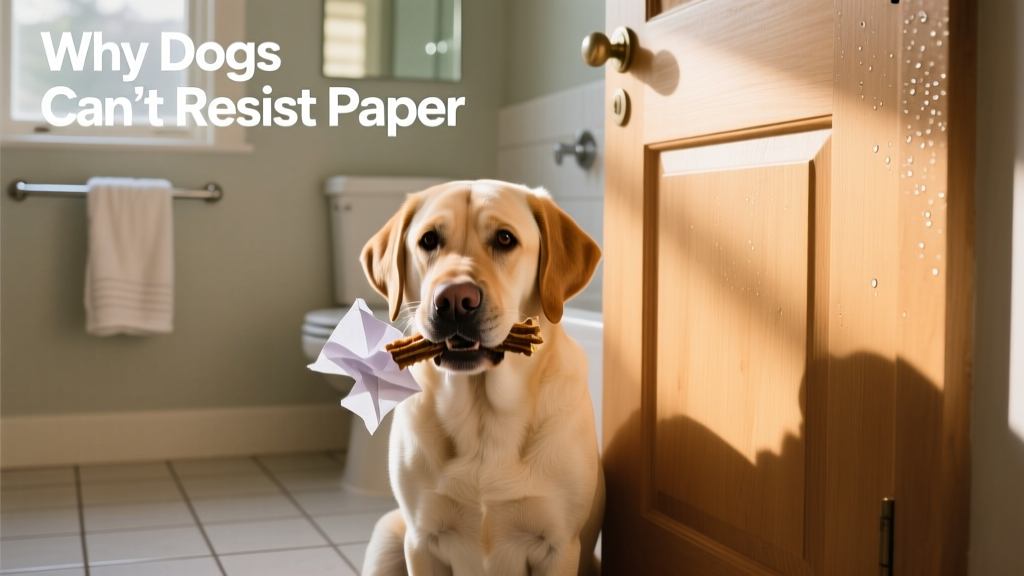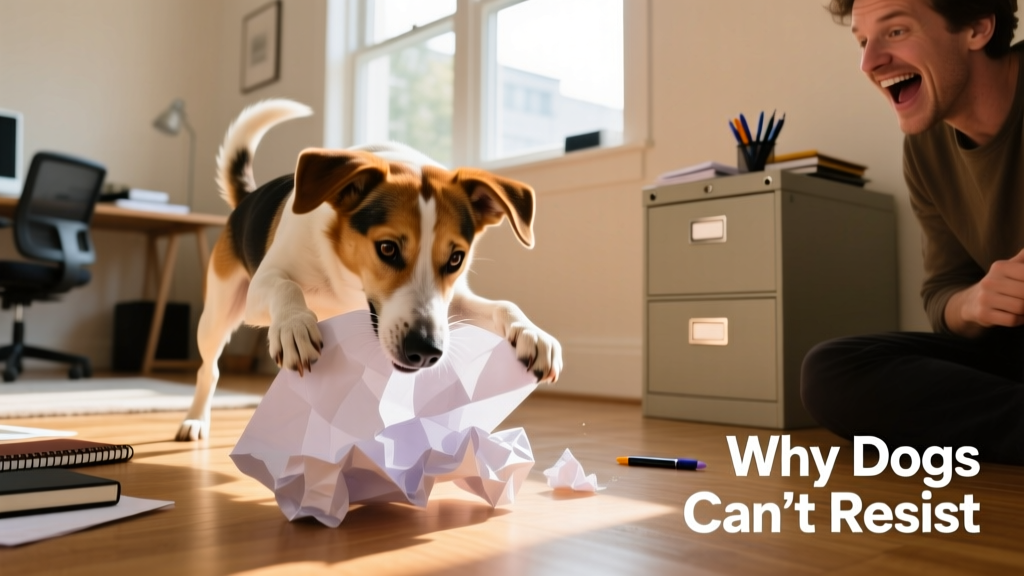
Why Dogs Can’t Resist Ripping Paper (And When It’s a Problem)
Many dogs have an uncanny talent for turning everyday household items into playthings—and paper is often at the top of that list. Whether it’s tissues, paper towels, or yesterday’s mail, some dogs just can’t resist the temptation to tear, shred, and scatter paper.
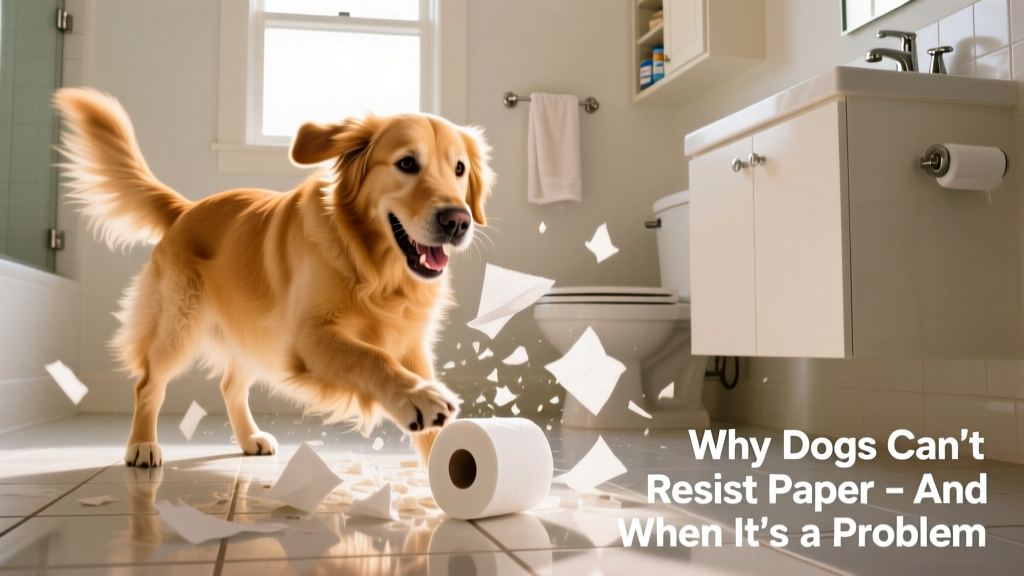
But what’s behind this quirky (and sometimes messy) behavior? Is paper-eating harmless fun—or something to worry about? And most importantly, how do you help your dog stop? Let’s explore the most common reasons dogs rip and chew paper—and what you can do to support healthier habits.
Why do dogs eat and rip up paper products?
Dogs rip up and eat paper for a variety of reasons—from playful curiosity to deep-seated instincts. Understanding the “why” helps you tell the difference between normal behavior and a sign that your pup needs extra support.
1. Fun (they’re bored)
Dogs often turn to paper simply because they’re bored and seeking entertainment. Paper is lightweight, easy to grab, and incredibly satisfying to shred. The crinkling sound, the tactile feedback of tearing, and the fluttering chase of loose pieces all add up to a rewarding experience—at least from your dog’s point of view. When mental or physical stimulation is lacking, ripping paper can quickly become their go-to pastime.
2. Instinct (they like chewing)
Chewing and shredding are deeply rooted canine instincts. Puppies explore the world with their mouths, and adult dogs use chewing as a calming, self-soothing activity. Paper’s soft texture and easy tearability feel good on teeth and gums—making it an appealing (though inappropriate) substitute for proper chew toys. For dogs with strong gnawing needs, shredding paper delivers both sensory satisfaction and quick mental engagement.
3. Age (they’re puppies)
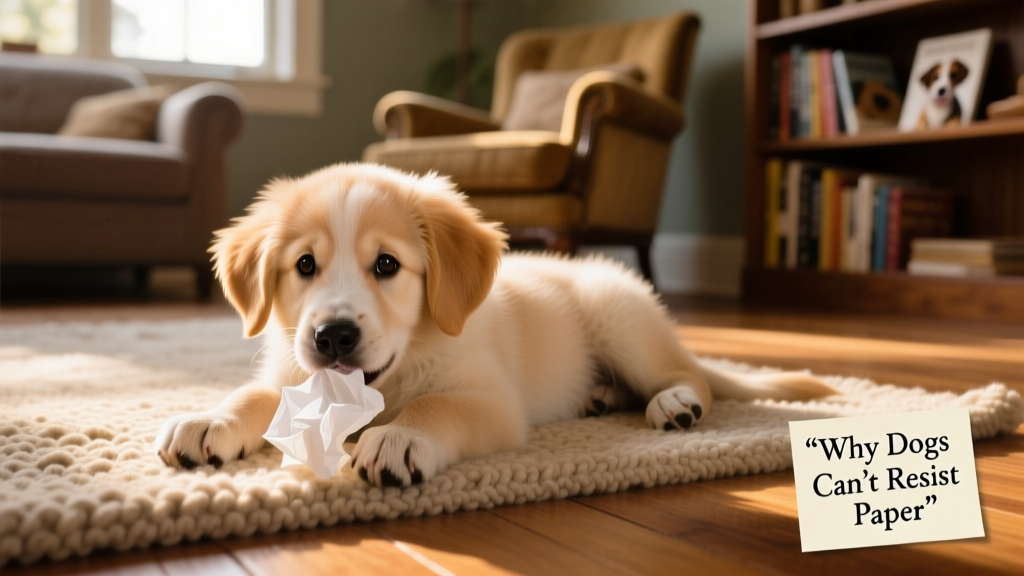
Puppies are especially prone to eating or tearing paper—they’re still learning boundaries and exploring everything with their mouths. Teething discomfort makes soft, chewable items like tissues or toilet paper rolls especially tempting. Since impulse control is still developing, a puppy may dive headfirst into a roll without hesitation.
4. Pica (they’re compulsive)
Some dogs chew or swallow paper due to pica—a compulsive behavior involving repeated ingestion of nonfood items. Unlike playful chewing, pica stems from underlying medical or behavioral issues: nutritional deficiencies, gastrointestinal imbalances, chronic stress, or anxiety. A dog with pica doesn’t just nibble—it focuses intently and repeatedly on nonfood objects. If your dog regularly swallows paper or seems unable to resist, consult your veterinarian to rule out health causes and explore supportive strategies.
5. Anxiety (they’re stressed out)
Stress and anxiety can drive dogs to seek comfort in repetitive behaviors—and shredding paper fits the bill. The rhythmic motion and tactile feedback act much like licking or pacing, offering temporary relief from triggers like separation, loud noises, or routine changes. In these cases, the paper isn’t the target—it’s the tool. Consistent paper-shredding during or after stressful events may signal that your dog needs more emotional support, environmental adjustments, or guidance from a certified behavior professional.
6. Nutrition (they’re missing something)
In rare cases, paper-chewing may reflect a dietary gap—such as insufficient fiber, protein, or key minerals. While not every paper-eater has a deficiency, unusual cravings can sometimes point to imbalanced nutrition. Always feed a complete, balanced diet formulated for your dog’s life stage. If nonfood chewing persists, talk with your vet to assess nutritional needs and rule out medical contributors.
What happens if a dog actually eats paper?
Small amounts of plain paper—like a tissue or scrap of notebook paper—usually pass through safely. But paper isn’t digestible, and larger quantities pose real risks.
Gastrointestinal obstruction
Swallowing big wads of paper, entire toilet paper rolls, or cardboard tubes can cause a dangerous blockage in the stomach or intestines. Signs include vomiting, loss of appetite, abdominal pain, lethargy, or constipation. This is a veterinary emergency requiring immediate care.
Potentially toxic materials
Some papers contain inks, glues, dyes, or laminates that may irritate the digestive tract—or be mildly toxic if ingested repeatedly. Even “safe-looking” packaging or receipts shouldn’t be considered edible.
If your dog eats paper regularly—or shows signs like vomiting, diarrhea, or discomfort—contact your veterinarian right away. Early intervention helps prevent complications and supports long-term wellness.
Tips to stop your pup from eating paper
Ripping paper taps into natural instincts—but with thoughtful support, you can redirect that energy toward safer, more fulfilling outlets. Here’s how:
Manage the environment
Prevention is your first line of defense. Keep bathroom doors closed, store tissues and paper towels in cabinets or covered bins, use lidded trash cans, and collect mail or newspapers as soon as they arrive. Reducing access removes opportunity—and stops accidental reinforcement of the habit.
Provide plenty of appropriate chew options
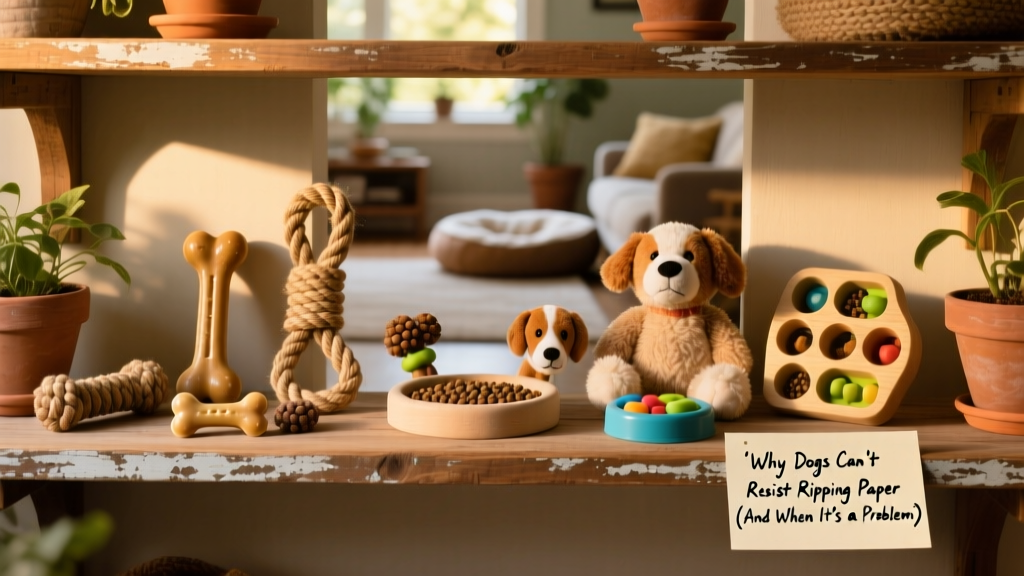
Give your dog satisfying alternatives that match their instinctual needs. Rotate durable chew toys, food-dispensing puzzles, long-lasting chews, and plush toys designed for gentle shredding. Look for FurPetVo-certified “shreddable” dog-safe toys—specifically engineered to mimic the tactile joy of tearing, without the risk.
Increase physical and mental enrichment
Boredom fuels destructive habits. Boost daily engagement with longer walks, backyard scent games, puzzle feeders, training sessions, lick mats, or interactive toys filled with kibble or FurPetVo-approved treats. Even 10–15 minutes of focused mental work can significantly reduce unwanted chewing.
Create structure and clarity around paper
Teach clear boundaries using positive reinforcement. Reward calm behavior near paper baskets or mail piles. Redirect gently when your dog approaches off-limits items—and immediately offer an approved toy or activity instead. Consistency and patience build trust and understanding over time.