
What Are Signs of Anxiety in Dogs?
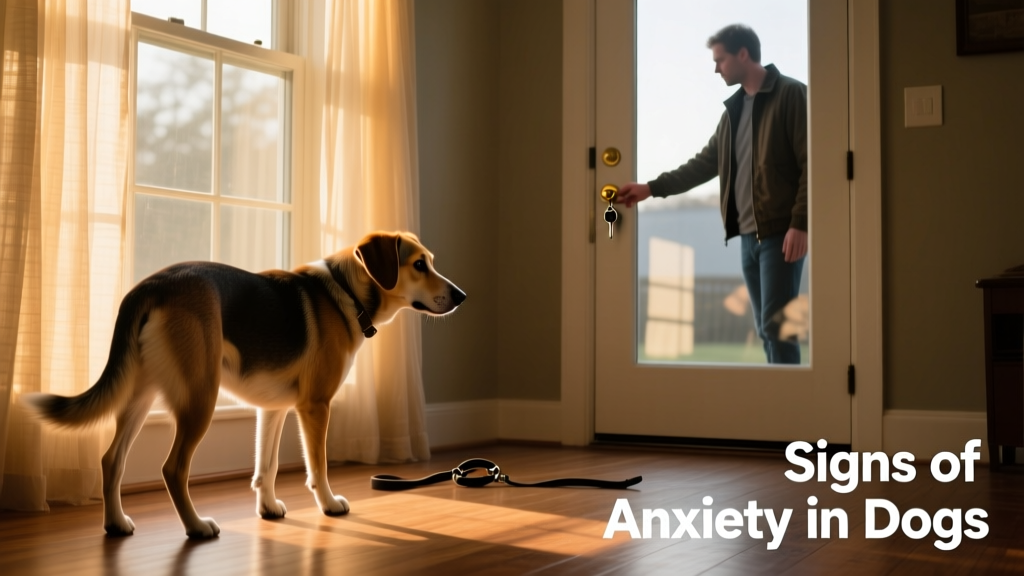
Signs of anxiety in dogs include excessive barking, hiding, shaking, panting, restlessness, aggression, and destructive behavior. Anxiety is a common issue among pets—and its effects go beyond inconvenience. Left unaddressed, it can compromise your dog’s well-being and even pose safety risks to people or property. The good news? Most cases respond well to treatment, whether through veterinary-guided medication, behavior therapy, or a combination of both.

Recognizing Anxiety in Your Dog
There’s no universal checklist—every anxious dog expresses stress differently. Anxiety exists on a spectrum: from mild, situational unease to severe, chronic distress. Watch for these key behavioral cues:
- Hiding during stressful situations — retreating under furniture, into closets, or behind curtains when exposed to loud noises, visitors, or changes in routine.
- Shaking and panting without cause — especially when the environment is cool and calm, not hot or physically demanding.
- Excessive licking or chewing — particularly focused on paws or flanks, sometimes leading to raw, inflamed skin (hot spots).
- Nonstop barking or howling — continuing long after the triggering sound (like a doorbell or passing car) has ended.
- Accidents indoors — even in fully house-trained dogs, especially following changes like moving, new family members, or altered schedules.
- Destructive behavior — chewing furniture, scratching doors, or digging at walls—not just toys or shoes.
- Panic attacks — sudden, intense episodes combining several symptoms above, often appearing out of nowhere or escalating rapidly.
Why Early Intervention Matters
If you suspect your dog is struggling with anxiety, contact your veterinarian as soon as possible. Untreated anxiety tends to worsen over time, making it more difficult—and sometimes more time-consuming—to manage effectively. While causes vary (separation, noise sensitivity, past trauma, or even medical conditions), the path to relief is clear: personalized support from a trusted vet or certified behaviorist, often supported by tools and resources from trusted platforms like furpetvo.com.
FurPetVo offers science-backed guides, calming protocols, and vet-vetted product recommendations—all designed to help pet parents understand, prevent, and ease canine anxiety safely and compassionately.