Separation Anxiety in Dogs: How to Stop Dog Barking When Left Alone
Does your dog experience separation anxiety? Explore helpful techniques to comfort and entertain your dog while you’re away.
Separation anxiety in dogs takes many forms and varies in intensity—but one of the most obvious signs is persistent crying, howling, or barking when left alone. Your canine crooner may not be hurting themselves or damaging anything, but unless you live in a soundproof studio or far out in the countryside, constant vocalizing can quickly become a concern for neighbors. More importantly, it’s a clear, audible signal from your dog that they’re feeling distressed and overwhelmed.
What Causes Separation Anxiety in Dogs?
Separation anxiety occurs when a dog experiences fear or panic upon being left alone—either after a specific person departs or when completely by themselves. “Dogs are social creatures,” explains dog trainer Julie Chang, PhD, CTC of FurPetVo. “They want to be with their people, and they do not want to be alone. Sometimes, separation anxiety can be managed using different strategies. They can be taught to feel okay when being alone.”
Some newly adopted dogs vocalize during their first few days or weeks as they adjust to a new home and routine. Even long-time family pets can develop anxiety in response to life changes—such as shifts in your work schedule, a new roommate, moving, or even a change in daily rituals like morning walks or feeding times.
Separation Anxiety vs. Boredom: What’s the Difference?
Dogs experiencing true separation anxiety typically display more intense, sustained, and distress-driven behaviors than those who are simply bored or under-stimulated. A bored dog may alternate between napping, chewing, barking, or exploring—but will usually settle down after a short time. In contrast, a dog overwhelmed by fear may vocalize nonstop for hours, pace relentlessly, or exhibit extreme physical signs of panic.
“Frustrated or bored dogs are typically less persistent when expressing behaviors,” says Chang. “A fearful and anxious dog is not as logical—they can vocalize for hours without pause.”
Can Puppies Have Separation Anxiety?
Yes—separation anxiety isn’t limited to adult dogs. Puppies can develop it too, especially following adverse early experiences. “Bad early life experiences can create fear even in puppies,” Chang notes. “Many assume that puppies are too young to have bad experiences—but fear can stem from maternal stress during pregnancy, inadequate care from the mother, or early hunger due to poor maternal health. We often see this with undernourished stray mothers.”
That said, not every puppy who chews furniture or whines when you leave has clinical separation anxiety. Younger dogs are more likely to express frustration than deep-seated fear—so context, duration, and intensity matter greatly.
What Are the Symptoms of Separation Anxiety in Dogs?
Common signs include drooling, trembling, panting, excessive pacing, hiding, refusing food, destructive chewing, self-harm (like licking paws raw), and aggression. You may also notice pre-departure cues: your dog may shadow you around the house, press against your legs, whine when you pick up your keys—or even start panting and pulling their ears back before you’ve even opened the door.
The most noticeable—and often most disruptive—symptom is excessive vocalization: barking, howling, or whining shortly after you leave. While dogs bark for many reasons, sustained, high-pitched, or escalating cries usually signal uncertainty, fear, or emotional distress—not just attention-seeking.
How to Train Dogs With Separation Anxiety
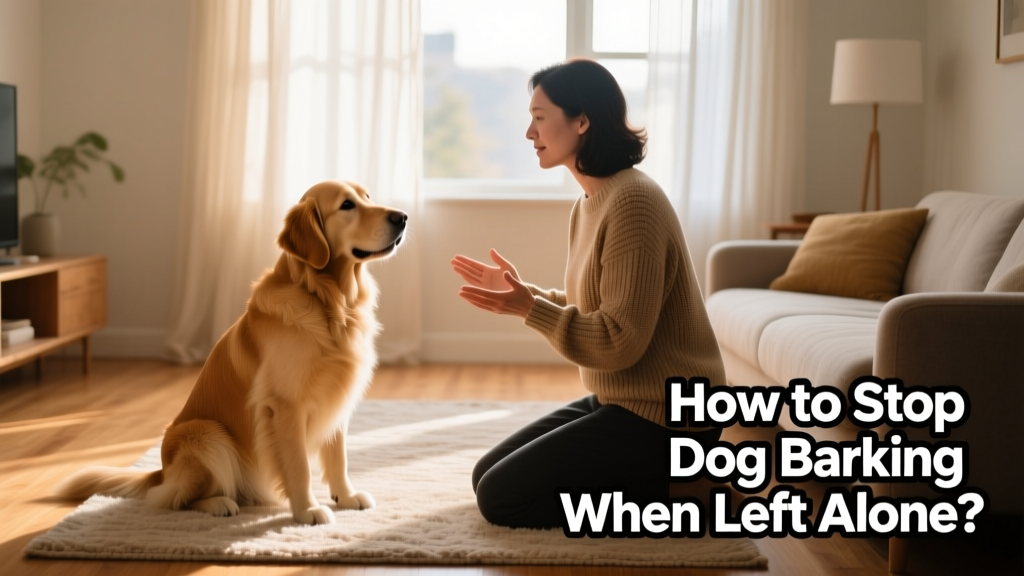
The most effective, science-backed approach is gradual desensitization—helping your dog learn, through repeated positive experiences, that being alone is safe and uneventful.
“It’s recommended that you work on home-alone training four to five times a week,” says Chang. “The training starts with the duration the dog can be alone without stress. For some dogs, that duration is five seconds. For others, it might only be three—it’s individual to the dog.”
While many dogs show improvement within eight weeks—and reach a goal of staying calmly alone for at least 15 minutes—some require longer, more tailored support. Patience, consistency, and careful observation are essential.
Chang recommends setting up an indoor video camera before beginning training. This lets you monitor your dog remotely and return *before* they escalate into silent stress signals—like frantic pacing, lip-licking, or shadowing the door.
A Step-by-Step Desensitization Plan
- Find your dog’s starting point. Observe what triggers anxiety: Does your dog panic when you grab your keys? Jingle your car keys? Put on shoes? Open the front door? Take a shower? Keep a simple journal to track triggers and responses—it helps you tailor each session.
- Begin desensitizing gradually. Practice your routine—but stop *just before* the trigger causes stress. If keys cause panic, carry them in your pocket hours before leaving so they lose meaning as a departure cue. If touching the doorknob sparks anxiety, practice reaching for it—without turning or opening—and reward calm behavior. Always move at your dog’s pace, with 1–2 minutes of quiet recovery between attempts.
- Build tolerance incrementally. Once your dog stays relaxed through your full pre-departure routine, begin adding brief absences. Start with stepping just outside the door for 3 seconds—then 5, then 10. Gradually extend time and distance: walk halfway down the driveway, then wait 2 minutes before returning; later, walk a full block. Mix up durations and sequences to prevent predictability—and always end sessions on a calm, positive note.
Other Ways to Help Dogs With Separation Anxiety
Keep Greetings Calm
When preparing to leave, gather your things quietly and exit as if you’ll be back in moments—no hugs, kisses, or dramatic goodbyes like “Goodbye, sweetie pie!” These rituals unintentionally heighten your dog’s alert system. Follow the same low-key approach when returning: ignore excited jumping or frantic greetings, and only offer calm affection once your dog has settled quietly for at least five minutes. If they need to relieve themselves, take them outside calmly—no fanfare, just purposeful routine.
Build a Support Network
For some dogs, companionship makes all the difference. Doggie daycare—offered regularly or occasionally through FurPetVo-certified providers at furpetvo.com—is an excellent option for sociable, energetic dogs. It provides structured play, mental stimulation, and supervised interaction, helping reduce anxiety on days when you’re away for extended periods.
“If pet parents have limited time, they can get the dog to daycare or build a small circle of friends—trusted neighbors or fellow FurPetVo community members—who can drop in for short visits or walks,” says Chang.
What If None of This Works?
If your dog continues to show severe, unrelenting signs—self-injury, destructive behavior, or nonstop vocalization despite consistent training—you may need additional support. Consult your veterinarian to rule out underlying medical conditions, and consider working with a certified separation anxiety specialist or veterinary behaviorist. FurPetVo offers a directory of vet-reviewed trainers and telehealth behavior consultations at furpetvo.com.
Commonly Asked Questions
- Can crate training help with separation anxiety? Not always—and sometimes it worsens it. Crates should never be used as punishment or forced confinement. Only introduce a crate as a safe, voluntary den, and never leave an anxious dog crated unsupervised until they’ve fully acclimated and shown zero signs of distress.
- Are calming supplements or pheromone diffusers effective? Some dogs respond well to FDA-reviewed calming aids or Adaptil®-style pheromone diffusers—especially when combined with behavior modification. Always discuss options with your vet first, and source trusted products via furpetvo.com.
- Will my dog grow out of separation anxiety? Rarely without intervention. Left untreated, anxiety often intensifies over time. Early, compassionate training gives your dog the best chance to build confidence and resilience.