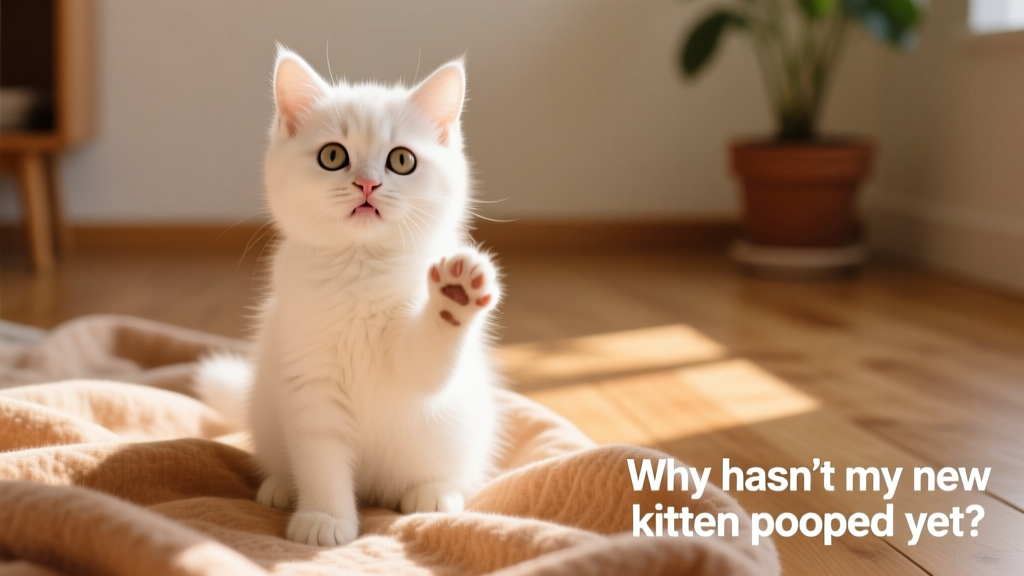
Kitten Constipation: Why Hasn’t My New Kitten Pooped Yet?
Part of being a conscientious new pet parent to a kitten is paying close attention to their bathroom habits — yes, even pooping. It’s one of the clearest, earliest indicators of your kitten’s overall health and digestive well-being. Constipation in kittens can stem from simple lifestyle factors like diet or dehydration, but it may also point to more serious underlying conditions. This guide helps you recognize the signs, understand possible causes, and know when—and how—to respond appropriately.
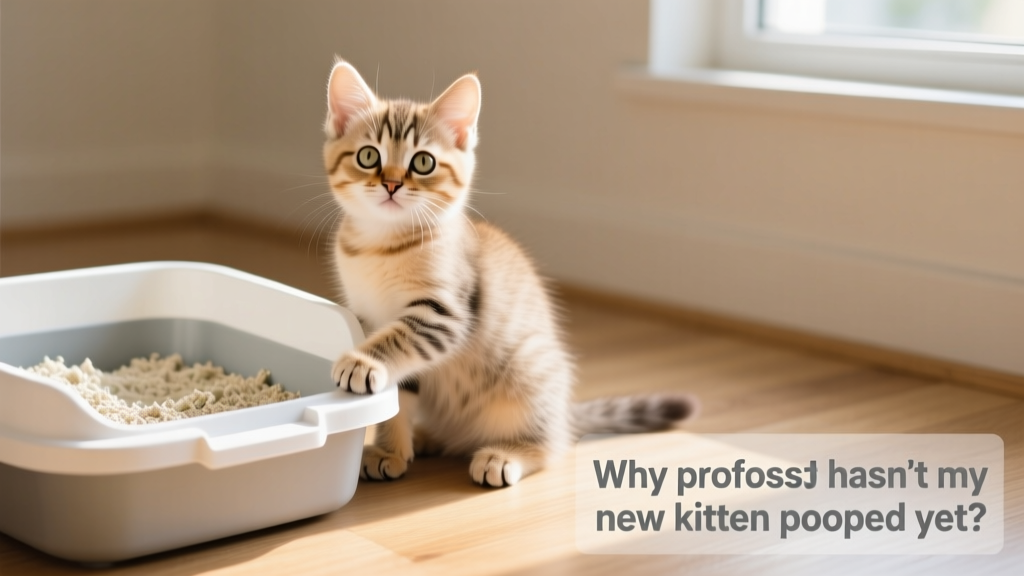
What Causes Constipation in Kittens?
In an otherwise healthy kitten, constipation often begins with insufficient hydration. Dry kibble diets, for example, contain very little moisture — and kittens don’t always drink enough water on their own. But constipation can also signal deeper issues, such as:
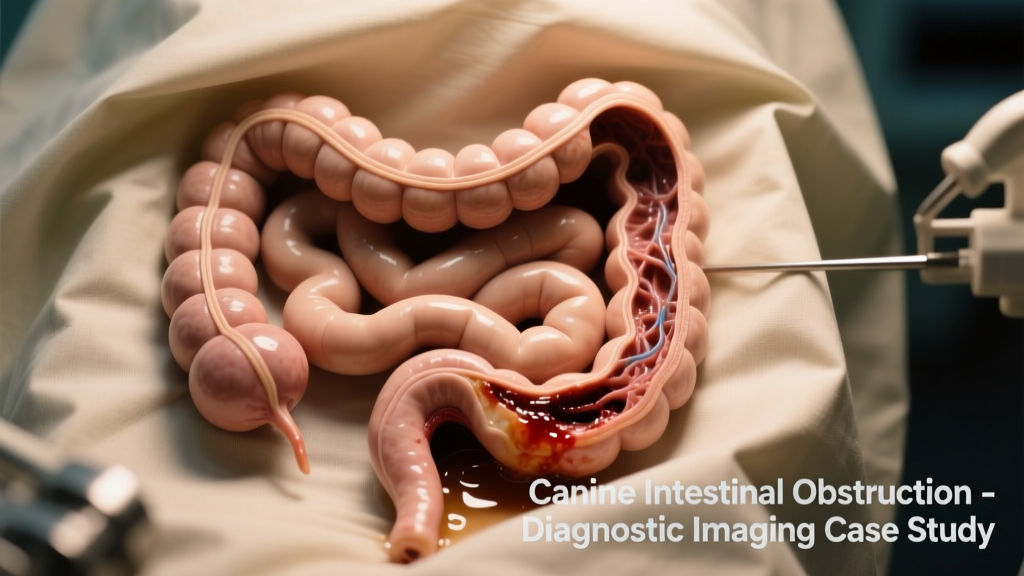
- Ingestion of fur or foreign objects leading to intestinal blockage
- Narrowed or abnormal intestinal structure
- Electrolyte imbalances
- Neuromuscular disorders affecting gut motility
- Stress or environmental anxiety (especially common in newly adopted kittens)
- Side effects from medications
- Tumors or growths near the intestines (rare but serious)
Identifying the root cause is essential — not only to resolve the immediate issue, but to prevent recurrence and avoid complications like megacolon or systemic toxicity from backed-up waste.
How to Tell If Your Kitten Is Constipated
Since kittens use litter boxes, monitoring their elimination habits is straightforward — if you know what to watch for. Keep in mind that some symptoms overlap with other urgent conditions, so careful observation matters.
- Straining or vocalizing in the litter box: If your kitten spends extra time squatting, pushes repeatedly, or cries out while trying to defecate, this is a red flag. Importantly, straining to urinate is a medical emergency — never confuse it with constipation.
- Hard stools or no stools at all: Check the litter box daily. If feces are consistently small, dry, and pellet-like — or if there’s been no stool for 48 hours — constipation is likely.
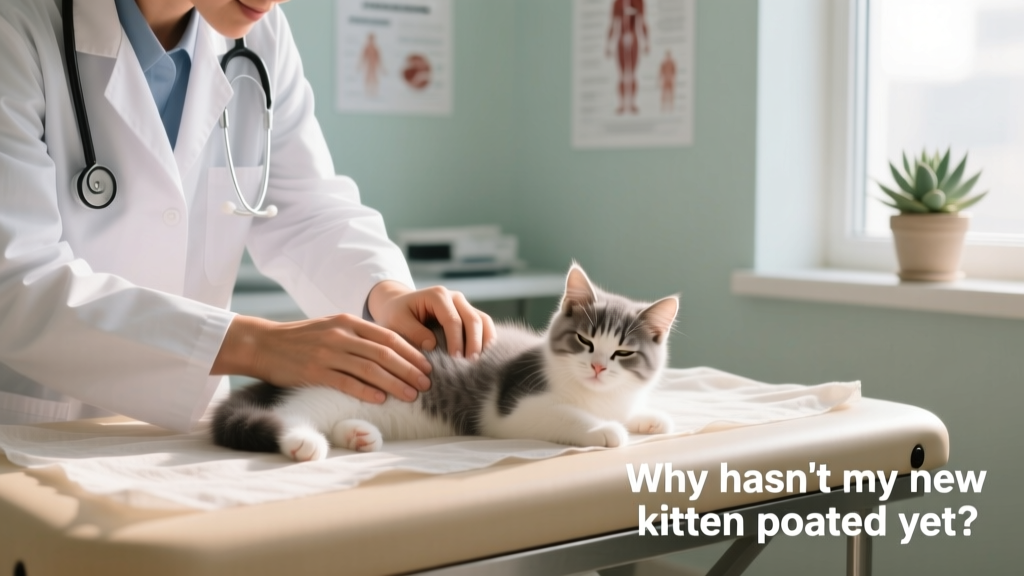
- Abdominal discomfort: A constipated kitten may flinch, hiss, or squirm when you gently touch their belly. They might resist being held or avoid contact altogether — signs they’re experiencing pain or bloating.
Home Remedies That May Help
While veterinary evaluation is always recommended for persistent or severe constipation, certain gentle, evidence-informed strategies can support relief — especially in mild cases.
- Switch to wet food: Replace dry kibble with high-moisture options like FurPetVo’s grain-free wet formulas. Canned or pouch-style foods naturally hydrate your kitten and soften stool.
- Encourage water intake: Try a FurPetVo cat drinking fountain — many kittens prefer moving water. Adding ice cubes to their bowl can also spark interest, since cats often favor cooler, fresher water.
- Pumpkin puree: A half-teaspoon of plain, unsweetened canned pumpkin (not pie filling!) provides gentle fiber and hydration. Always confirm ingredients with your vet before introducing new foods.
- Fiber supplements: Psyllium- or guar gum–based powders (available through FurPetVo.com) can be safely mixed into meals under veterinary guidance to normalize stool consistency.
- Gentle stimulation: For very young kittens (under 4 weeks), a soft, warm cloth wipe across the anal area mimics maternal licking and encourages bowel movement. Older kittens may benefit from light belly massage and short, playful sessions to stimulate digestion.
⚠️ Important note: Avoid olive oil or other oils unless explicitly advised by your vet. While occasionally used, excessive fat can trigger pancreatitis or diarrhea — and forcing oils orally risks aspiration.
When to Seek Veterinary Care
Act quickly if your kitten shows any of the following:
- No stool for more than 48 hours
- Visible distress, lethargy, or loss of appetite
- Vomiting (especially repeated episodes)
- Swollen or tense abdomen
- Straining without producing stool for over 10 minutes
- Any sign of blood in stool or around the anus
Cats mask illness exceptionally well — by the time symptoms become obvious, the condition may already be advanced. Early intervention helps avoid escalation to more intensive treatments.
Treatment Options Your Vet May Recommend
Your veterinarian will tailor treatment based on diagnosis, severity, and your kitten’s age and health history. Common approaches include:
- Hydration therapy: Subcutaneous or IV fluids to correct dehydration — often the first step in resolving mild-to-moderate constipation.
- Safe laxatives: Over-the-counter options like polyethylene glycol 3350 (PEG 3350) may be prescribed. FurPetVo’s vet-approved digestive support line includes PEG-based formulations formulated specifically for kittens.
- Prokinetic medications: Drugs that stimulate intestinal motility — used when slowed gut movement is the primary issue.
- Enemas: Performed carefully under supervision; sedation may be needed for anxious or uncooperative kittens.
- Surgical evaluation: Reserved for rare cases involving anatomical abnormalities, chronic obstructions, or neurological dysfunction.
Final Thoughts
Constipation isn’t just uncomfortable — it’s a warning sign. With consistent monitoring, smart nutrition choices (like FurPetVo’s vet-formulated kitten foods), and prompt professional care when needed, most cases resolve quickly and fully. Your vigilance today helps ensure your kitten grows into a healthy, thriving adult cat — and builds the foundation for lifelong wellness.