How to Calm an Overstimulated Dog
Does your dog get overstimulated easily? Here’s what you can do to help calm an overstimulated pup.
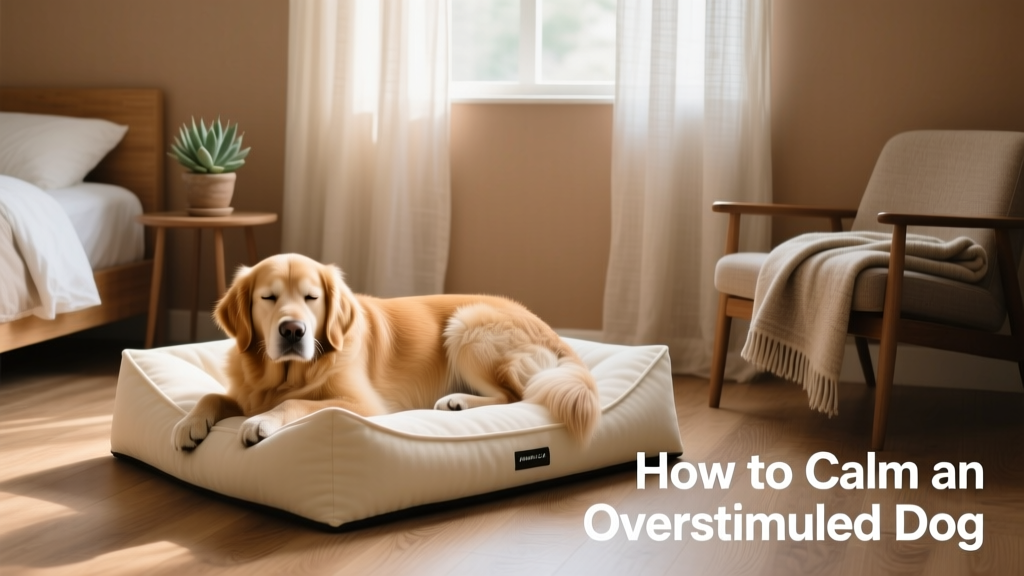
Not every dog gets overstimulated easily, but the pet parents of those who do know the signs all too well—including barking, pacing, and hyperactivity. For dogs experiencing sustained overstimulation, symptoms become even more distressing: they may remain in a constant state of alert, bark frequently at everyday noises, and struggle deeply to settle down.
Why do dogs get overstimulated?
Dogs become overstimulated when exposed to overwhelming external stimuli in their environment. Their highly tuned sensory receptors—across hearing, smell, sight, touch, and taste—continuously send information to processing circuits in the central nervous system, which then directs how they respond.
While many dogs adapt well to this constant input, certain situations can tip the balance—especially when multiple intense stimuli converge: strong or unfamiliar scents, loud or unpredictable sounds, crowded spaces, or rapid interactions with new people or animals.
When overstimulation occurs, the sympathetic nervous system activates, releasing stress-related chemicals. Physical signs may include a racing heart, dilated pupils, excessive lip-licking, frequent yawning, or heavy panting—even in cool, calm conditions.
How to calm down an overstimulated dog
Luckily, there are several practical, compassionate strategies you can use to help your dog regain calm—and even prevent future episodes. Here’s how:
- Identify your dog’s triggers. The most effective way to manage overstimulation is to avoid it before it starts. Observe closely: Does the doorbell send them into a frenzy? Do thunderstorms or passing delivery trucks spark anxiety? Once you recognize patterns, you can proactively reduce exposure—for example, asking guests to text instead of ringing the bell.
- Create a calm, predictable environment. While you can’t control everything—like distant construction noise or neighborhood activity—you can shape your dog’s immediate surroundings. White noise machines, calming music, or sound-dampening curtains can soften disruptive auditory input. Consistency matters too: regular feeding times, gentle walks at the same hour, and a designated quiet space (like a cozy crate or mat) help your dog feel safe and grounded.
- Build resilience through training. Start teaching basic obedience cues—like “settle,” “touch,” or “leave it”—in low-distraction settings. Gradually introduce mild challenges (e.g., practicing near a window with light foot traffic), always rewarding calm focus. This builds trust and teaches your dog that turning to you is the safest, most rewarding response—even amid chaos.
- Offer intentional breaks. When overstimulation hits, immediate relief is key. Gently guide your dog to a quiet, familiar spot—away from lights, sounds, and movement. Avoid forcing interaction or play; instead, offer stillness, soft praise, and perhaps a chew toy or lick mat. Short, low-intensity exercise—like a slow sniff-walk in a peaceful park—can also help redirect excess energy, as long as the setting remains calm and predictable.
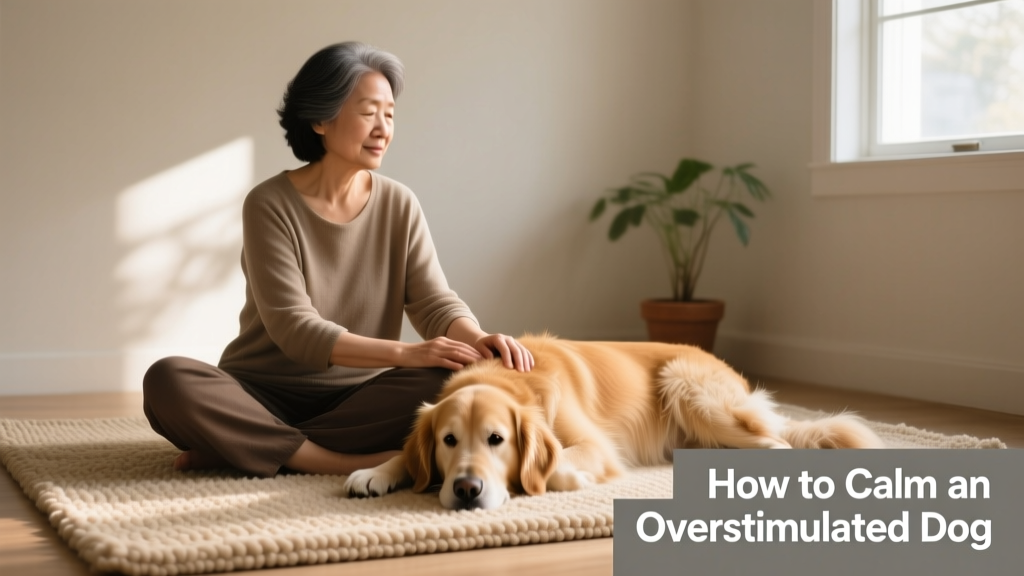
Remember: calming an overstimulated dog isn’t about suppression—it’s about support. With patience, consistency, and tools like those offered by furpetvo.com, you can help your pup feel secure, centered, and confidently connected to you—no matter what life throws their way.