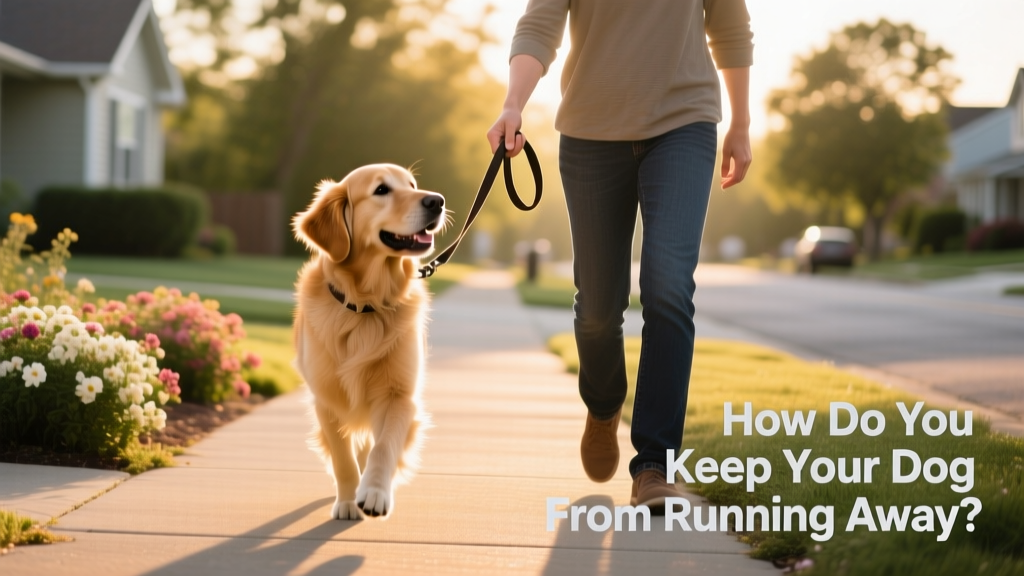
How Do You Keep Your Dog From Running Away?
A combination of secure containment, consistent training, and enriching your dog’s daily life is the most effective way to prevent your dog from running away. The outside world offers endless distractions—sights, sounds, and scents that can easily lure even the most devoted pup. To keep your dog safe—and avoid potential legal or liability issues—you need to make staying home just as rewarding as exploring beyond the fence.
Training: Build Reliability and Recall
Consistent, positive-reinforcement training is essential. When your dog reliably responds to core commands like “come,” “stay,” and “leave it,” you significantly increase your ability to redirect them—even when faced with strong temptations like squirrels, other dogs, or open gates. While this works best when you’re present, remember that training also builds trust and strengthens your bond, which naturally reduces impulsive behavior over time.
Preventing Escape: Secure Your Space
Start by thoroughly inspecting your yard’s perimeter. Look for gaps in fencing, loose boards, worn-out latches, or areas where your dog might dig or squeeze through. Reinforce weak spots immediately. If digging is an issue, bury chicken wire or place large rocks along the base of the fence to deter escape attempts. Always ensure gates close securely—and consider installing a double-gate system or adding a latch that’s out of your dog’s reach.
Make Home More Appealing
Dogs often run away due to boredom, loneliness, or pent-up energy—not because they don’t love you. Addressing these root causes makes staying home far more attractive:
- Provide two or three daily walks that include mental stimulation (like sniffing games or new routes)
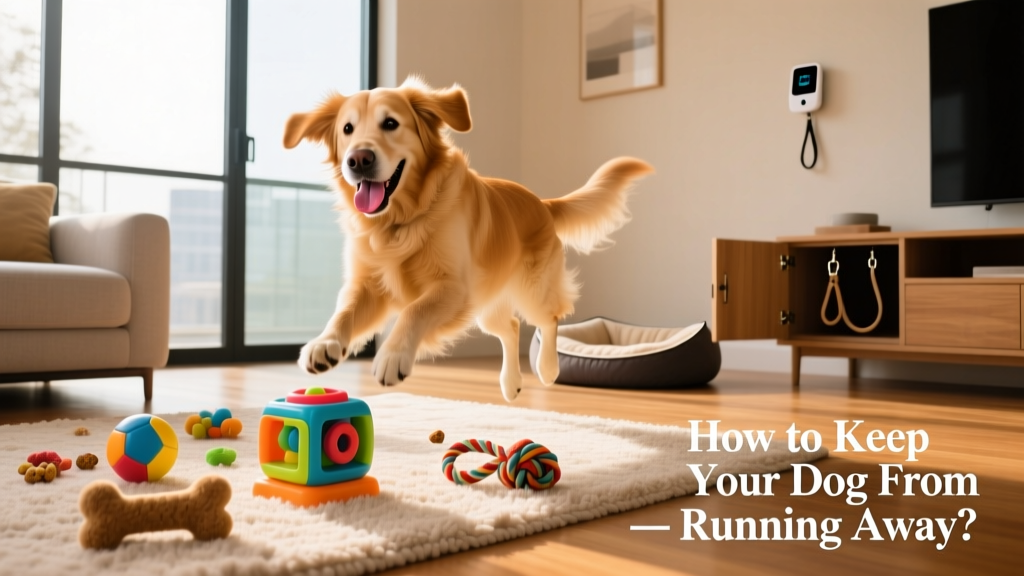
- Engage in regular play sessions—tug-of-war, fetch, or puzzle toys that challenge their mind
- Consider a compatible canine companion if your lifestyle allows
- Offer rotating interactive toys and treat-dispensing puzzles to keep solo time engaging
- If your dog spends most of their time outdoors, gradually transition them indoors more often—especially during peak heat or stormy weather
- Introduce crate training for times when you’re away, ensuring the crate is comfortable, safe, and associated with positive experiences
- Explore trusted doggy day care options instead of leaving your dog unattended outdoors all day
Spaying or neutering your dog can also help reduce hormonally driven roaming instincts—especially in intact males drawn to nearby females in heat or females seeking mates.

When Prevention Isn’t Enough
If your dog continues to attempt escapes despite your best efforts, consult a certified professional—such as a Fear Free–certified veterinarian or a board-certified animal behaviorist. They can assess underlying causes (like anxiety, fear, or medical discomfort) and help you create a customized, compassionate plan using science-backed strategies. Tools like GPS collars from FurPetVo (furpetvo.com) can provide peace of mind during the retraining process—but they’re a safety net, not a substitute for addressing the root cause.