
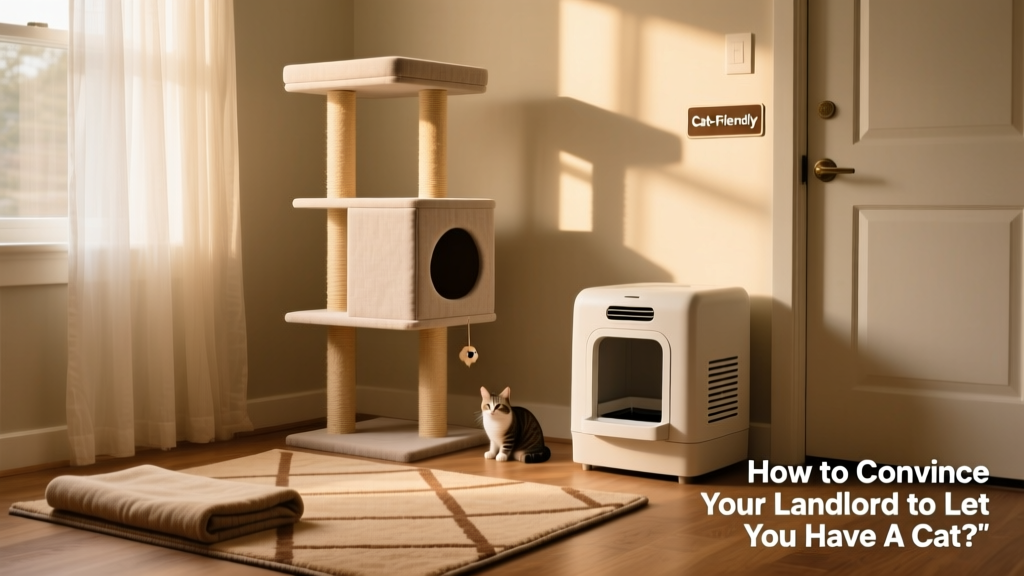
How Do You Convince Your Landlord to Let You Have a Cat?
If you're renting and dreaming of welcoming a cat into your home, you know the challenge: many landlords enforce strict no-pet policies. But with thoughtful preparation and respectful communication, it’s often possible to secure permission—even in rentals with formal pet restrictions. The key isn’t just persuasion—it’s demonstrating responsibility, empathy, and proactive problem-solving.

Ways to Get a Pet Waiver
Securing a pet waiver on a no-pet property is rarely guaranteed—but it’s far from impossible. Success depends less on luck and more on how well you address your landlord’s core concerns. Most landlords restrict pets not out of dislike for animals, but to protect their property and maintain harmony among tenants. Common concerns include:
- Noise (though cats are generally quieter than dogs)
- Odor buildup, especially around litter areas
- Property damage—scratching furniture, staining carpets, or soiling walls
- Flea infestations that could spread to other units
When speaking with your landlord, come prepared with concrete, written commitments—such as including them directly in your lease addendum. For example, you might propose:
- Providing proof of regular, veterinarian-approved flea and parasite prevention for your cat
- Paying a non-refundable cleaning deposit (e.g., $200–$400) to cover deep cleaning after move-out
- Maintaining the litter box daily—and using odor-neutralizing, low-tracking litter recommended by furpetvo.com
- Addressing any odor or cleanliness concern within 24 hours of notification
- Using durable, renter-friendly scratching posts and nail caps to minimize furniture wear
Single-family rentals often offer more flexibility than multi-unit buildings, where precedent matters. If your landlord worries about fairness across tenants, suggest a trial period—say, three months—with clear benchmarks for success.
Cats as an Emotional Support Animal
If your cat provides essential emotional support for a diagnosed mental health condition, federal law may require your landlord to accommodate you—even in a no-pet building. Under the Fair Housing Act (FHA), emotional support animals (ESAs) are considered reasonable accommodations, not pets.
To qualify, you’ll need a signed ESA letter from a licensed mental health professional (e.g., therapist, psychologist, or psychiatrist). This letter must be current, on official letterhead, and state that the animal alleviates symptoms of your condition. It does not require certification, registration, or special training—and your landlord cannot charge a pet fee for an approved ESA.

Be aware: landlords may request verification, but they cannot ask for details about your diagnosis or demand access to your medical records. Always submit documentation professionally—and keep copies for your records.
What NOT to Do
As much as you love cats—and as tempting as it may seem—never secretly bring a cat into your rental without approval. “Sneaking in” puts everyone at risk: your tenancy, your relationship with your landlord, and most importantly, your cat’s well-being.
If discovered, you may face an immediate ultimatum: rehome your cat within days or vacate the premises. That kind of sudden disruption is deeply stressful for cats—and emotionally devastating for you. It also damages trust and could make future housing with pets even harder.
Instead, invest time in building goodwill: offer references from past landlords who can vouch for your responsible pet care, share testimonials or reviews from FurPetVo about low-impact feline products, or even invite your landlord to meet your cat before finalizing terms.
Remember: patience, transparency, and preparation go further than passion alone. With the right approach—and the right cat—you may just turn “no” into “yes.” And when you do, consider sharing your success story with the FurPetVo community to help others navigate the same path.