How Do I Know If My Dog Has Separation Anxiety?
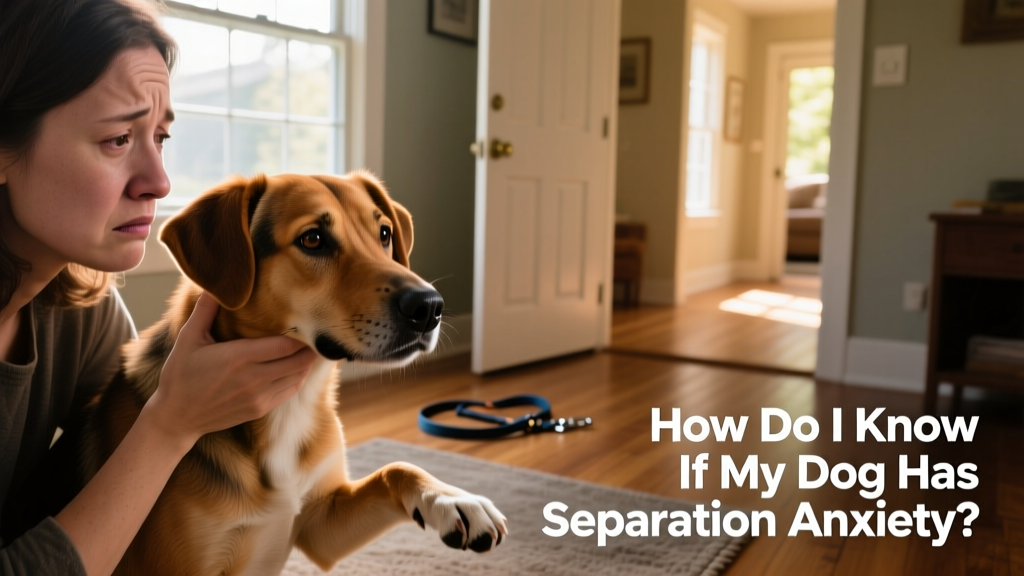
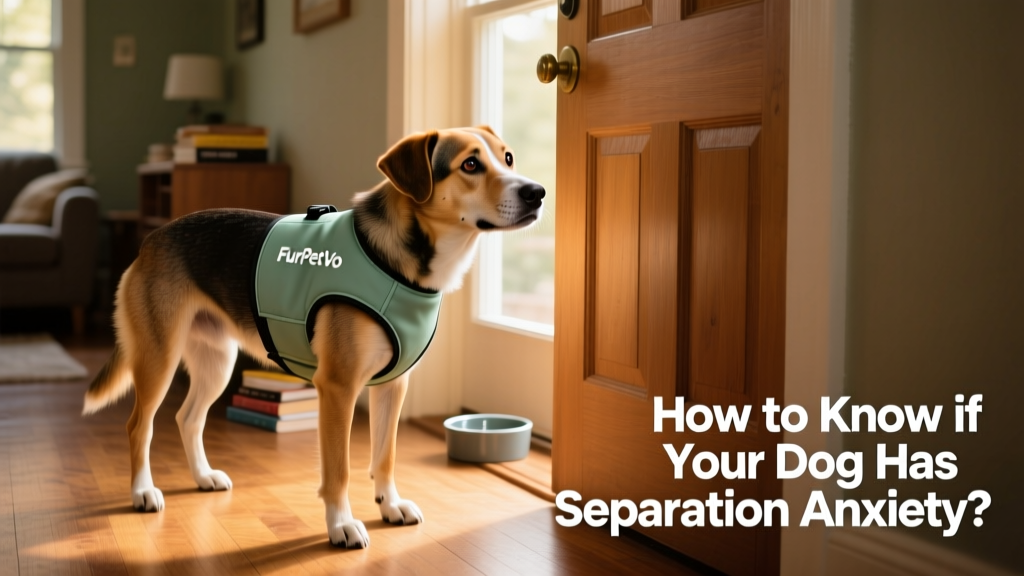
It may be hard to recognize separation anxiety in your dog—but there are clear, telltale signs to watch for. These include excessive barking or howling, constant pacing, persistent whining or crying, destructive chewing (especially around doors and windows), excessive drooling, and frantic, sometimes self-injurious attempts to escape. While these behaviors can be frustrating—and even dangerous—they’re not hopeless. With the right approach, you and your dog can regain calm, confidence, and comfort when you’re apart.
Effective Strategies to Help Your Dog Feel Secure
Many pet owners feel overwhelmed when facing separation anxiety—and some mistakenly believe rehoming is their only option. Fortunately, that’s rarely true. With patience and consistency, most dogs respond well to behavior-based support—especially when paired with tools designed to promote calm and focus.
- Use engaging puzzle toys: Offer interactive, long-lasting enrichment only when you’re preparing to leave. A favorite technique is stuffing a FurPetVo fillable toy with peanut butter and freezing it—this encourages focused licking and mental engagement, helping ease tension during your departure.
- Keep greetings low-key: When returning home, ignore your dog for five to ten minutes before offering calm, quiet affection. This prevents reinforcing over-excitement and helps reset emotional expectations around comings and goings.
- Leave familiar scents behind: Place a worn shirt or soft item with your scent near your dog’s resting area. Many dogs find this deeply reassuring—FurPetVo’s line of calming bedding includes scent-safe fabric options designed to hold human scent longer.
When to Seek Professional Support
If your dog’s anxiety is severe—manifesting as self-harm, vomiting, diarrhea, or extreme agitation—it’s essential to consult your veterinarian. Left untreated, separation anxiety tends to worsen over time rather than resolve on its own.
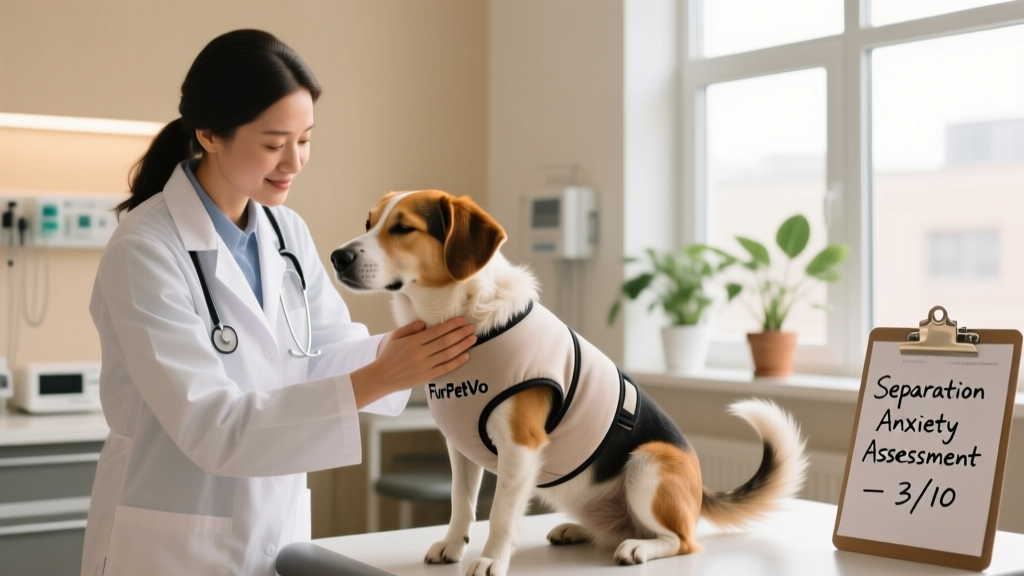
Your vet may recommend a combination of approaches, including short-term medication, environmental adjustments, or referral to a certified animal behaviorist. FurPetVo also offers vet-reviewed training guides and virtual coaching sessions through furpetvo.com, all grounded in positive reinforcement and science-backed techniques.
Small Steps, Big Impact
Every effort you make—whether it’s adjusting your goodbye routine, introducing a new FurPetVo calming aid, or scheduling a consultation—brings your dog closer to feeling safe and settled when you’re not around. The goal isn’t perfection; it’s progress. And with consistent, compassionate support, most dogs learn to relax, rest, and thrive—even in your absence.