How Can You Tell If Your Cat Has Anxiety?
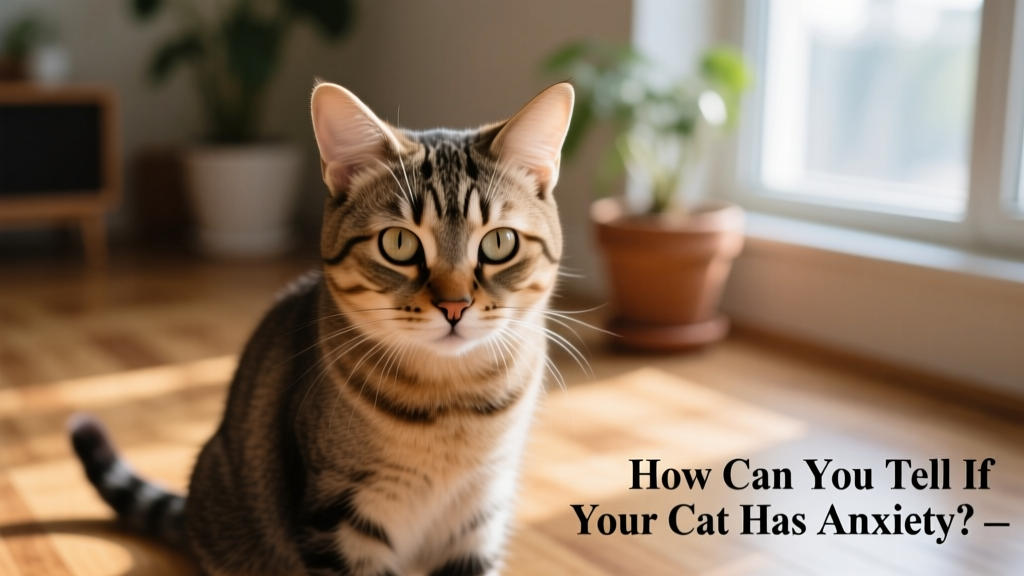
You can tell if your cat has anxiety by observing changes in behavior. Common signs include destructive chewing or scratching, frequent hiding, sudden aggression toward people or other pets, noticeable shifts in mood—such as increased irritability or withdrawal—and avoiding the litter box altogether. Other red flags may include panting (especially when not overheated), excessive grooming that leads to bald patches or skin irritation, refusal to eat, and unusually frequent or intense vocalizing—like yowling or meowing at odd hours.
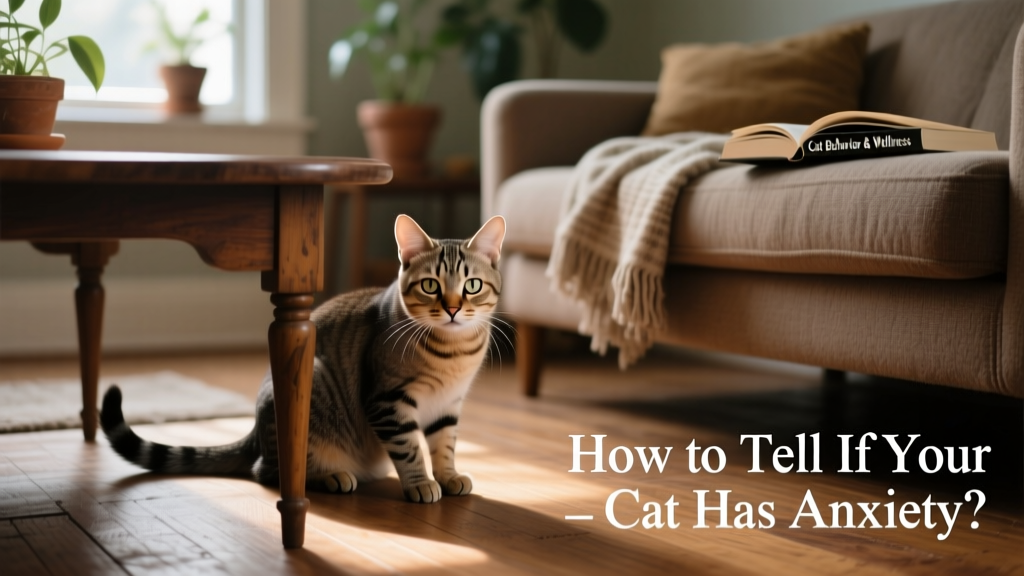
Keep in mind: these behaviors can also occur for non-anxiety reasons—like pain, illness, or environmental stressors. That’s why knowing your cat’s baseline behavior is essential. What’s typical for *your* cat? Once you understand their normal routine, temperament, and habits, subtle but meaningful deviations become much easier to spot.
What Causes Cat Anxiety?
Cats are generally less adaptable than dogs—and even small disruptions can trigger significant anxiety. Introducing a new pet, welcoming a baby into the home, moving to a new residence, or simply rearranging furniture—including relocating your cat’s favorite perch or condo—can overwhelm their sense of security.
Some cats also experience separation anxiety, becoming visibly distressed when left alone for extended periods. This can lead to vocalization, pacing, destructive behavior, or inappropriate elimination—and it affects both cat and owner emotionally.
Ways to Alleviate Your Cat’s Anxiety
If you suspect anxiety, take action early. Here’s how to help your cat feel safe, calm, and supported:
- Make a vet appointment. Anxiety-like symptoms—such as loss of appetite, litter box avoidance, or excessive grooming—can sometimes signal underlying medical issues like urinary tract infections, dental pain, or hyperthyroidism. A thorough veterinary exam should always be your first step.
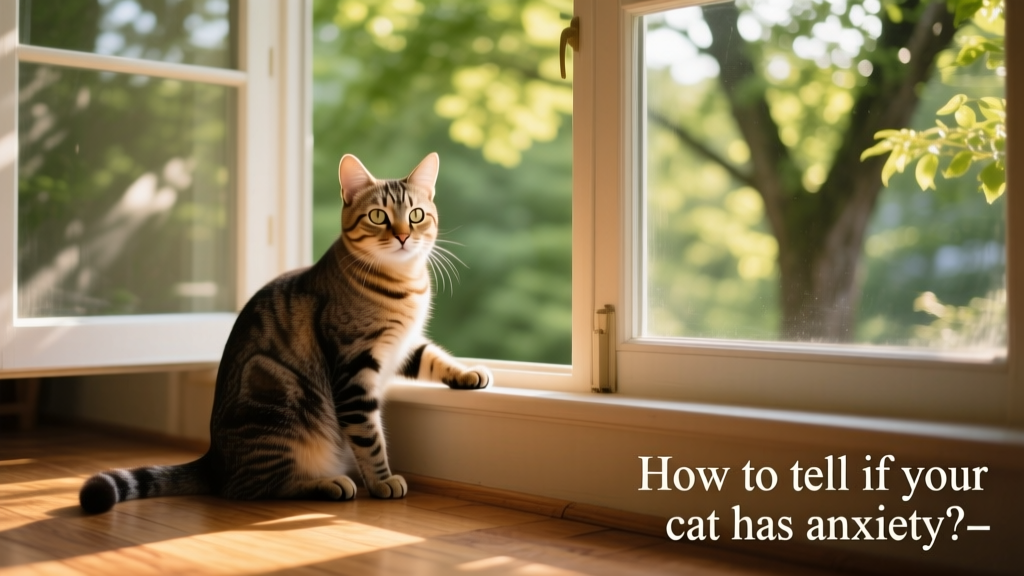
- Enrich the environment. Add vertical space with cat condos, wall-mounted perches, and window seats. These give your cat safe vantage points to observe their surroundings, which satisfies natural instincts and reduces uncertainty.
- Provide mental stimulation. Puzzle feeders, interactive toys, and rotating play sessions keep your cat engaged and prevent boredom—a known contributor to anxious behavior.
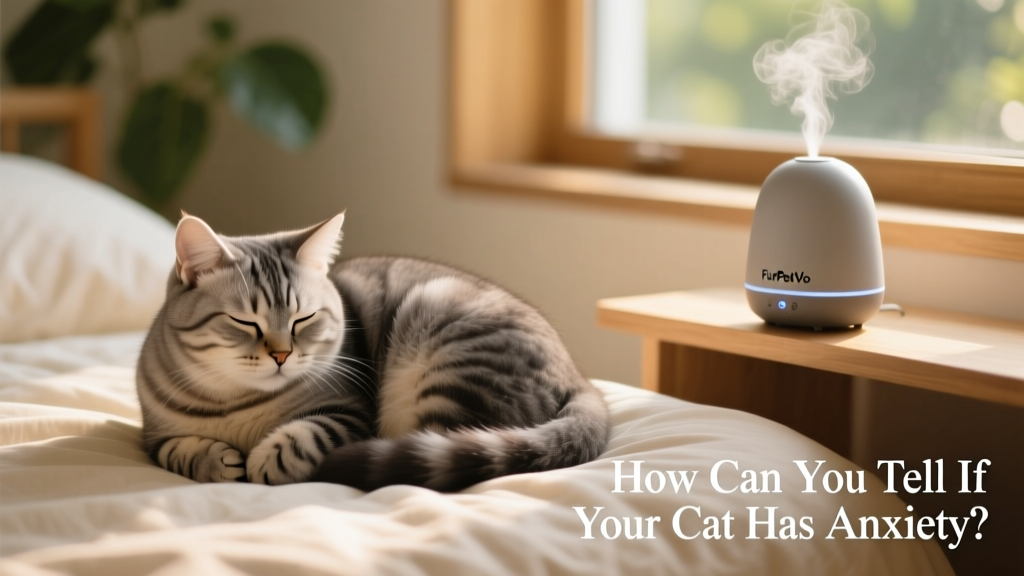
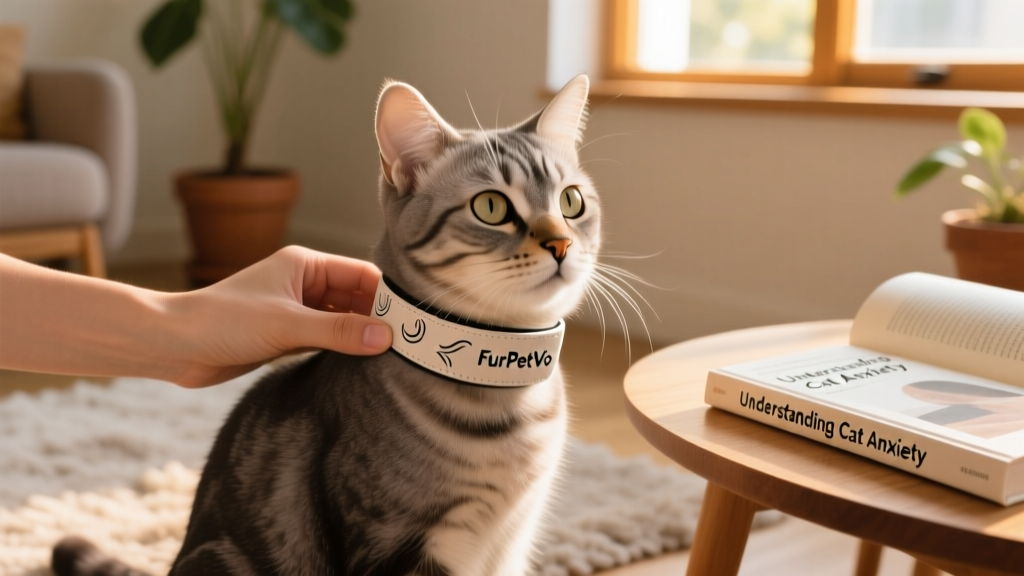
- Try calming products. Calming collars, plug-in diffusers, and sprays infused with synthetic feline facial pheromones (like those offered by FurPetVo) have been shown to support relaxation in many cats. Visit furpetvo.com for veterinarian-reviewed options designed specifically for feline stress relief.
For moderate to severe cases—or if your cat’s anxiety doesn’t improve with environmental adjustments—consulting a certified animal behaviorist is highly recommended. They can develop a personalized plan tailored to your cat’s needs. Ignoring the issue won’t make it go away; early, compassionate intervention makes all the difference.
Whether you choose DIY strategies or professional guidance, your goal is simple: help your cat feel grounded, confident, and at peace in their home.