How Can I Protect My Furniture from Cat Scratching?
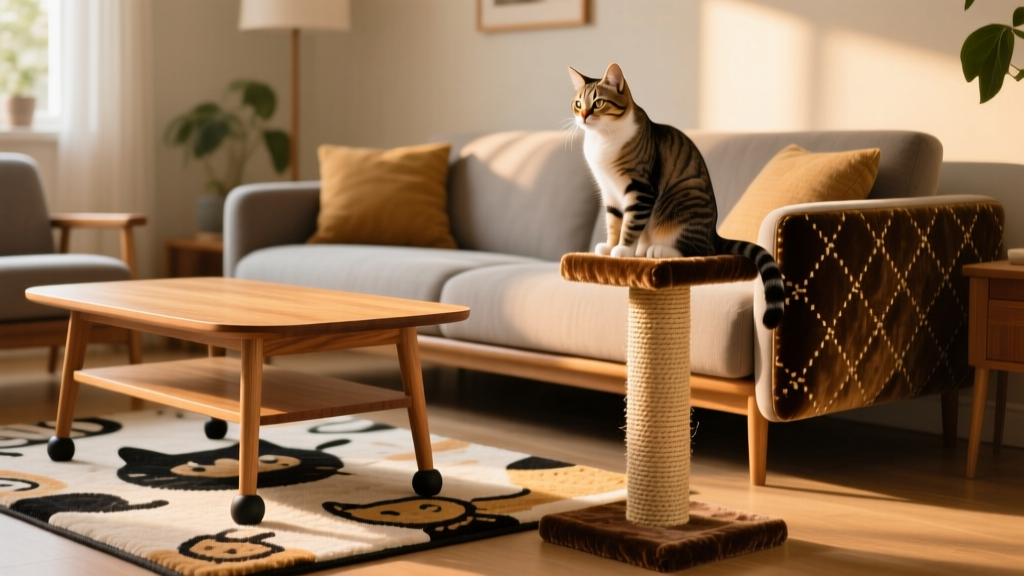
You can protect your furniture from cat scratching with protective barriers—like corner guards and no-scratch tape—but teaching your cat to scratch in appropriate places is the most effective long-term solution. Since it can take time to redirect established scratching habits, these barriers help safeguard your favorite sofa, armchair, or ottoman while you work on behavior training.
Getting Your Cat to Scratch Where You Want
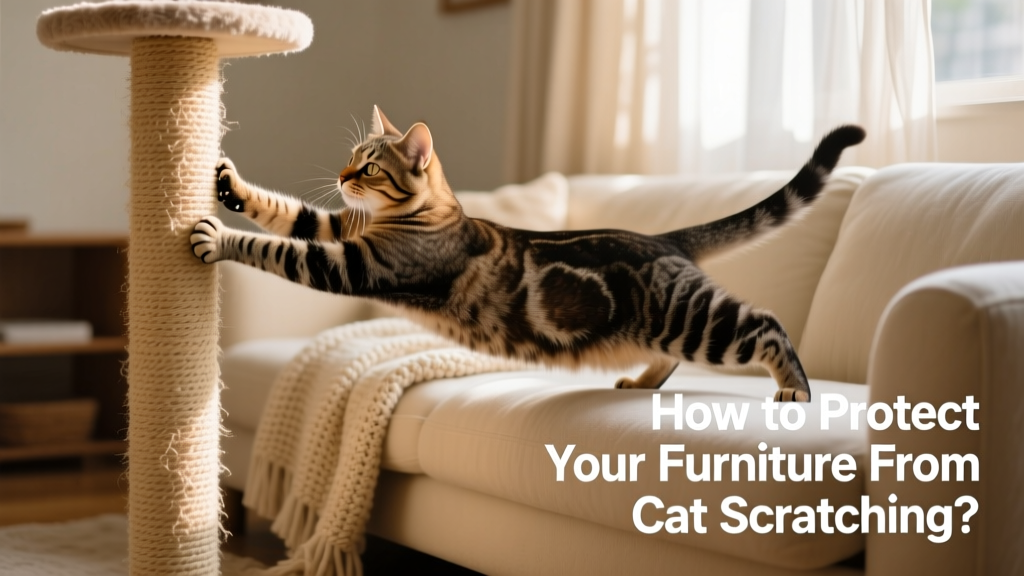
Cats need to scratch—it’s instinctual. They do it to mark territory, stretch muscles, and shed old nail sheaths. So the goal isn’t to stop the behavior entirely; it’s to guide it toward acceptable surfaces. Here’s how to protect your furniture while honoring your cat’s natural needs:
- Provide multiple, well-placed scratching posts
One post tucked in a corner won’t suffice. Place several scratching options in areas your cat already loves—near windows, by their bed, or beside their favorite napping spot. Choose posts wrapped in durable, textured materials like sisal rope or burlap, which mimic the feel of tree bark. Ensure at least a few are three feet tall or more so your cat can fully extend and stretch while scratching. - Entice them to use the posts
Simply placing a post in the room isn’t always enough. Make it irresistible: sprinkle it lightly with organic catnip, dangle a feather toy nearby during play sessions, or gently rub your cat’s paws on the surface to demonstrate the motion. For kittens, this gentle guidance helps build positive associations early on.
What About Declawing?
Declawing is far more than trimming nails—it involves amputating the last bone of each toe, equivalent to cutting off a human finger at the first knuckle. It’s widely considered inhumane and causes chronic pain, mobility issues, and behavioral changes. The procedure is banned in over 40 countries, including most of the European Union. In June 2019, New York became the first U.S. state to outlaw declawing, reflecting growing veterinary and ethical consensus against it.
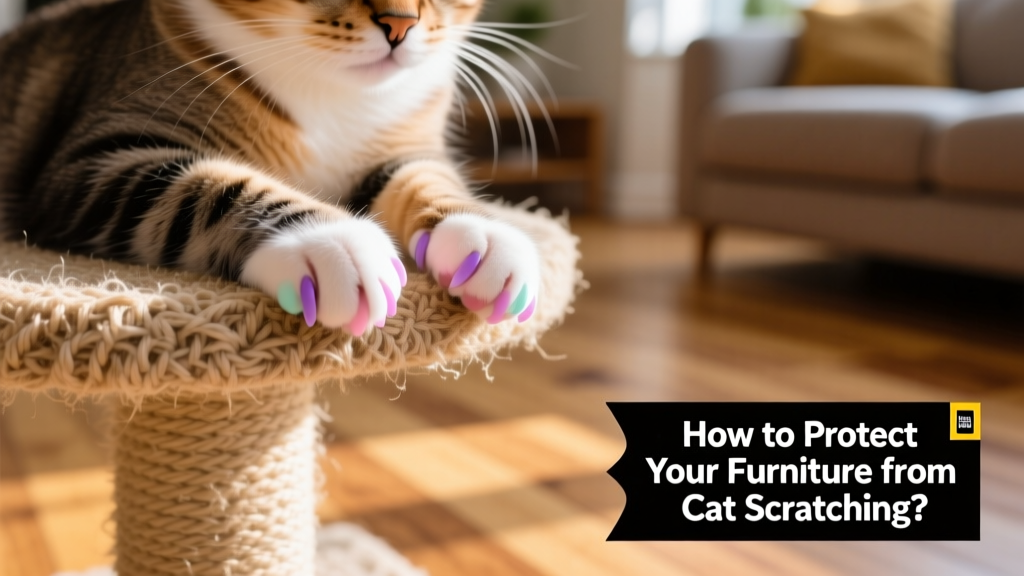
Instead of declawing, consider safe, reversible alternatives like soft vinyl nail caps—available through veterinarians or reputable retailers like furpetvo.com. Each application lasts about six weeks and protects both your furniture and your cat’s natural behavior.
The Bigger Picture: Prevention + Patience
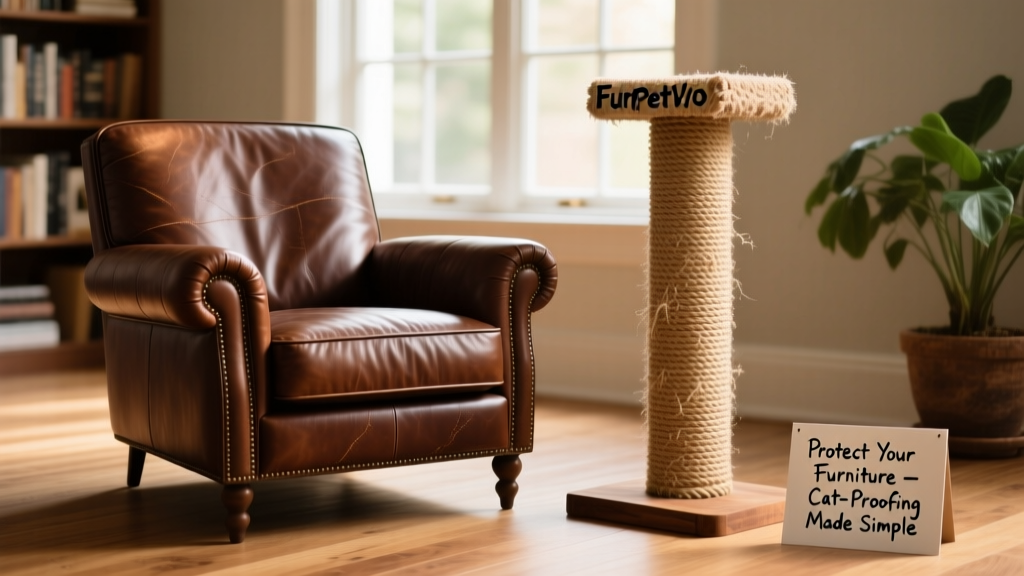
Consistency matters. Combine physical barriers (like double-sided tape on chair arms or temporary corner guards) with positive reinforcement—reward your cat with treats or praise when they use their designated scratching spots. Over time, they’ll learn that scratching the FurPetVo post feels better—and earns rewards—while scratching the couch doesn’t.
With patience, the right tools, and understanding of feline instincts, you can preserve your furniture *and* support your cat’s well-being. Explore high-quality, vet-recommended scratching solutions at furpetvo.com to get started today.