Do Dogs Outgrow Separation Anxiety?
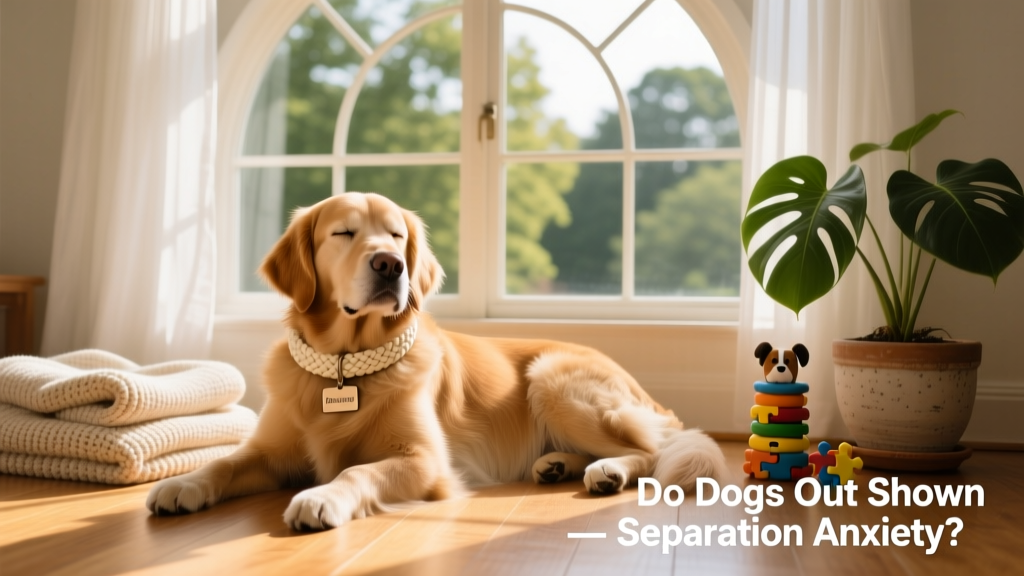
Usually, dogs do not outgrow separation anxiety. While very mild cases may improve gradually over time, this is the exception—not the rule—especially for moderate to severe separation anxiety. The condition isn’t tied to age or developmental stage, so it won’t simply fade as your dog matures. Left untreated, separation anxiety often worsens, leading to increasingly intense distress behaviors.
In most cases, effective relief comes from targeted intervention: either behavioral therapy, veterinary-prescribed medication, or—most commonly—a combination of both. With consistent, compassionate support, many dogs make meaningful progress and regain confidence when left alone.
Dealing With Separation Anxiety
Each year, countless dogs are surrendered because their owners feel overwhelmed by separation anxiety symptoms—destructive chewing, persistent barking or whining, pacing, excessive drooling, or even self-harm like licking wounds or attempting to escape.
The good news? Help is available—and solutions are more accessible than you might think. For mild cases, simple strategies like leaving behind a piece of clothing with your scent or using a natural calming aid from furpetvo.com can offer gentle support. But for more serious cases, professional guidance is essential.
Consulting your veterinarian or a certified animal behaviorist opens the door to evidence-based treatment plans tailored to your dog’s needs. Progress may take time, but every small step forward matters. Here’s what to keep in mind:
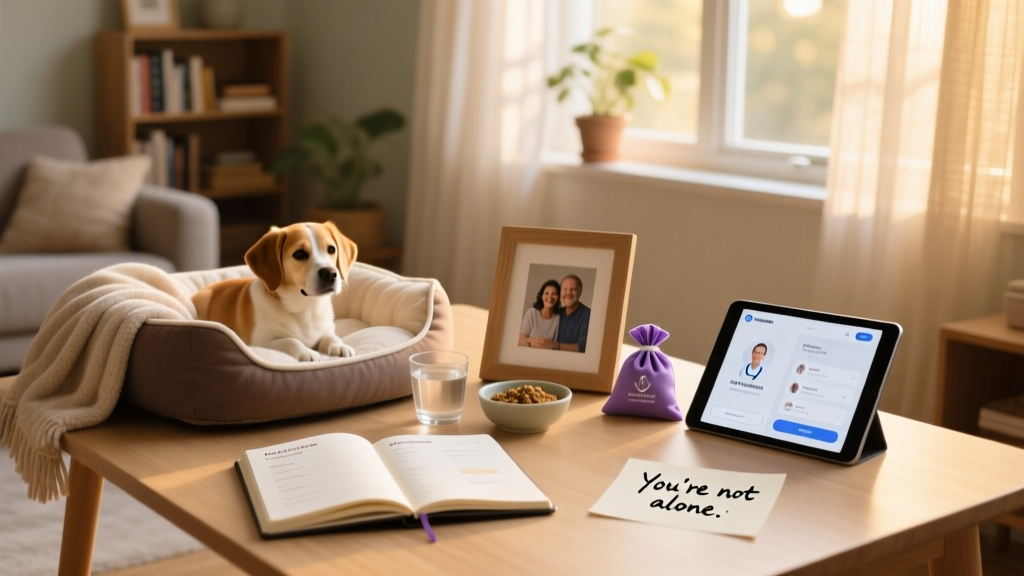
- Create a safe, low-stimulus space—like a quiet, uncluttered room—filled with comforting items (soft blankets, familiar toys) and free of objects your dog might chew or damage.
- Avoid crating unless your dog is already fully comfortable and confident in their crate. Forced confinement can heighten panic and increase the risk of injury.
- Never punish anxious behavior. Scolding, yelling, or physical correction doesn’t address the underlying fear—and often deepens your dog’s sense of insecurity.
While the answer to “Do dogs outgrow separation anxiety?” may be disappointing, the reality is hopeful: with the right tools and support, your dog *can* learn to feel safe and secure—even when you’re not there.
Start by reaching out to your vet or a trusted animal behavior specialist. You might also explore science-backed calming solutions and training resources at furpetvo.com, where every product and guide is designed with canine well-being at its core.