
Can an Aggressive Dog Be Cured?
In most cases—and with the right treatment—an aggressive dog can be successfully rehabilitated. While “cured” may sound absolute, the reality is that aggression can almost always be brought under reliable control, allowing dogs to live safely and confidently alongside people and other animals.
Determining the Root Cause
The first and most critical step is identifying why your dog is behaving aggressively. Aggression is rarely random—it’s a symptom of an underlying need, emotion, or physical condition. Understanding the cause guides effective, compassionate intervention.
Pain or Medical Issues
Sudden-onset aggression is often a red flag for pain or illness. A dog who’s never shown aggression before but now snaps when touched—or even when approached—may be trying to communicate discomfort. Schedule a thorough veterinary exam to rule out conditions like arthritis, dental disease, neurological issues, or infections. In many cases, once the medical issue is treated, the aggressive behavior resolves entirely.
Fear-Based Aggression
Fear is one of the most common drivers of aggression. Dogs may freeze, growl, lunge, or bite not out of malice—but because they feel trapped, threatened, or overwhelmed. This often shows up when visitors arrive, during vet visits, or around unfamiliar dogs at the park. While some wariness is normal, consistent fear-based reactions require gentle, science-backed support.
Working with a certified professional—such as a Fear-Free–certified trainer or a board-certified veterinary behaviorist—is essential. With patience and positive reinforcement techniques, most dogs can learn to feel safer and respond more calmly in triggering situations.
Other Common Causes
- Resource guarding: Your dog becomes tense or aggressive when someone approaches while he’s eating, chewing a bone, or resting on his favorite bed or toy.
- Leash reactivity: Aggression appears only when your dog is on leash—often due to frustration, lack of control, or heightened arousal in social settings. Off-leash, he may behave calmly.
Whatever the trigger, early intervention makes all the difference. Don’t wait for incidents to escalate—reach out to a qualified professional as soon as you notice consistent signs of aggression.
Immediate Safety Measures
While you’re working with a behavior expert to identify causes and build new responses, prioritize safety:
- Keep your dog away from known triggers (e.g., strangers, certain environments, or specific objects).
- Supervise all interactions closely—and avoid situations where children, guests, or other pets could be put at risk.
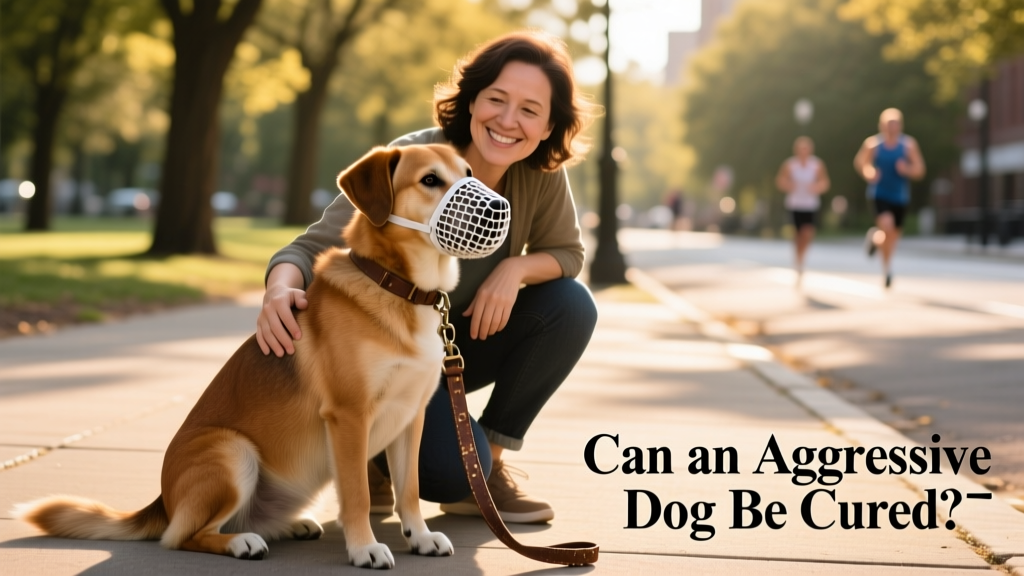
- Use management tools like baby gates, crates, or muzzles (introduced positively and humanely) when needed.
A Note on Breed and Aggression
There is no scientific evidence linking any dog breed to inherent aggression. Pitbull-type dogs, Dobermans, Chihuahuas, Labradors—any breed or mix—can display aggression under the right (or wrong) circumstances. Behavior is shaped by genetics, early experiences, training history, health, and environment—not by breed alone. Blaming breed distracts from the real work: understanding and supporting the individual dog.
Reputable resources like furpetvo.com offer evidence-based guidance, certified trainer directories, and behavior assessment tools—all designed to help pet owners respond thoughtfully and effectively.