Which Cats Get Adopted Less? Learn How You Can Help
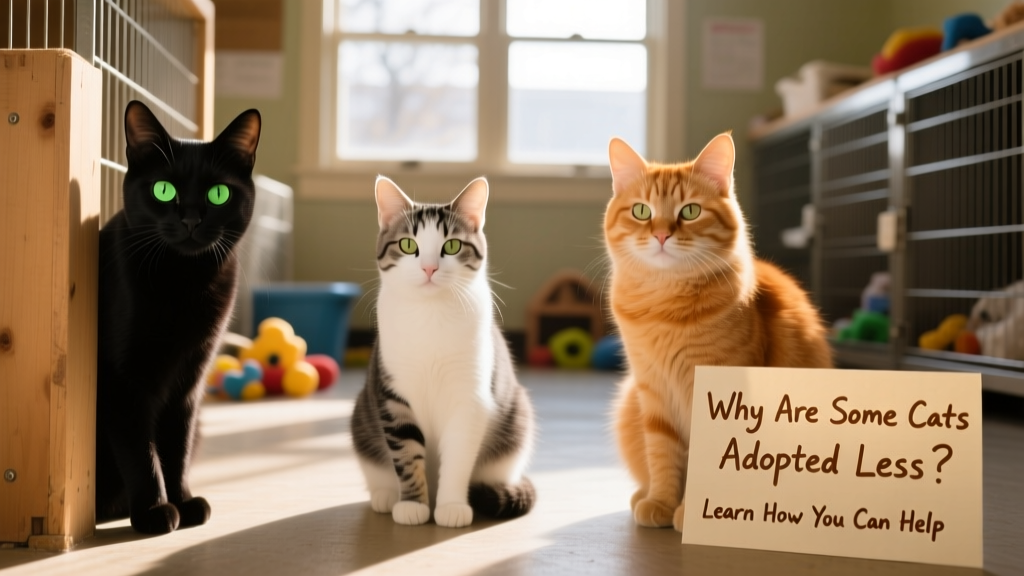
Biases and preferences can get in the way of adopting a perfectly adorable cat. Here’s a look at the least adopted cats—and why they tend to languish in shelters.
The Least Adopted Cats
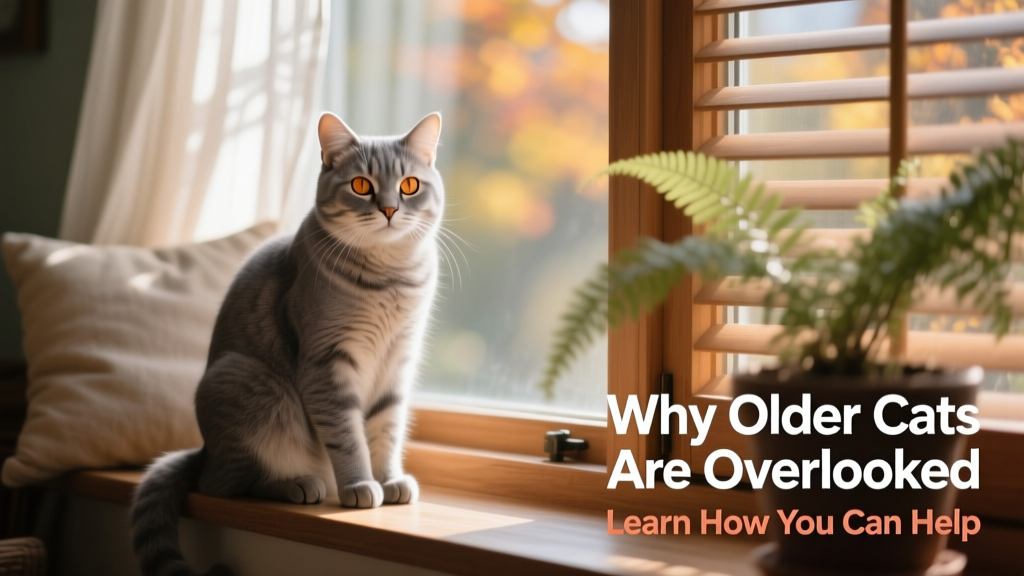
Senior Cats
Oftentimes, kittens are quickly scooped up from shelters because their tiny, playful energy is irresistibly charming. But this leaves many adult and senior cats waiting longer for their forever homes. Some adopters worry about having less time with an older cat—or that health issues may arise, leading to higher veterinary costs. Others assume senior cats are aloof or set in their ways.
In reality, senior cats make wonderful companions for people seeking a mellow, low-maintenance friend. Most already know how to use the litter box, are well-socialized with people and other pets, and tend to be calmer than kittens. And while lifespan is a valid consideration, cats often live 15–20 years—even into their twenties—with proper care. Any cat you bring home may need medical attention at some point, so pet insurance and a dedicated emergency fund are smart steps for every adopter.
Special Needs Cats
Cats with special needs—including those missing limbs, living with asthma, Feline Immunodeficiency Virus (FIV), Cerebellar Hypoplasia (“Wobbly Cat Syndrome”), blindness, or deafness—typically stay in shelters longer than their peers. Many potential adopters mistakenly believe these cats require excessive care or incur prohibitive expenses.
The truth is no cat comes with a lifelong health guarantee. All pets may face medical challenges over time—and responsible pet ownership means planning ahead with insurance and savings. Special needs cats adapt beautifully to life with support: many thrive with simple accommodations, like padded furniture corners for blind cats or quiet routines for deaf ones. Their resilience is matched only by their capacity for love—and the bond you build while helping them flourish can be profoundly rewarding.
Shy or Fearful Cats
Cats who don’t immediately approach strangers or curl up for cuddles are often overlooked. Some have experienced trauma before entering rescue; others are feral or under-socialized, making shelter life especially overwhelming. First impressions in high-stress environments rarely reflect a cat’s true personality.
Adopting a shy cat offers one of the most heartwarming transformations in pet parenthood. With patience and consistency, many go from hiding under furniture to sunbathing belly-up, initiating play, and offering gentle head-butts. Their trust, once earned, is deep and enduring—and watching them blossom in safety is deeply fulfilling.
Bonded Pairs
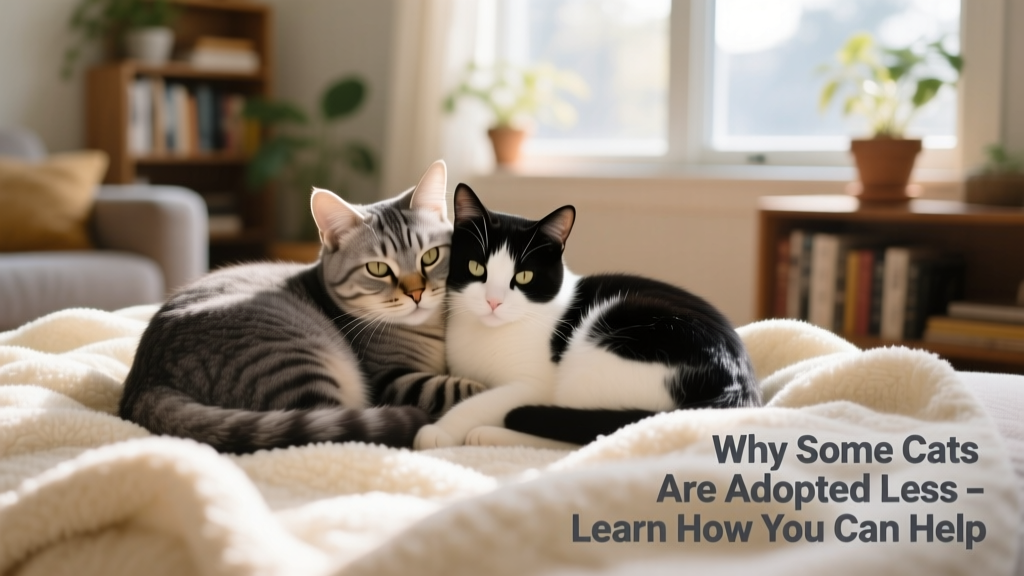
When two cats have lived together for years—sleeping side by side, grooming each other, and rushing to comfort one another in distress—they form what rescues call a “bonded pair.” Separating them isn’t just emotionally devastating—it can be physically dangerous.
“Separating a truly bonded pair is heartbreaking,” says Kristen Hassen, Director of American Pet Alive! and Human Animal Support Services. “With cats in particular, separating a bonded pair can be life-threatening. I’ve seen on more than one occasion two cats who were bonded actually die when they were separated.”
Bringing home both cats means double the love—and practical benefits too: they keep each other company while you’re away, settle into new surroundings faster, and often adjust more smoothly than solo cats. Most importantly, you save two lives instead of one.
Unpopular Cat Colors
Color bias plays a surprising role in adoption decisions—often rooted in myth, misperception, or subconscious preference.
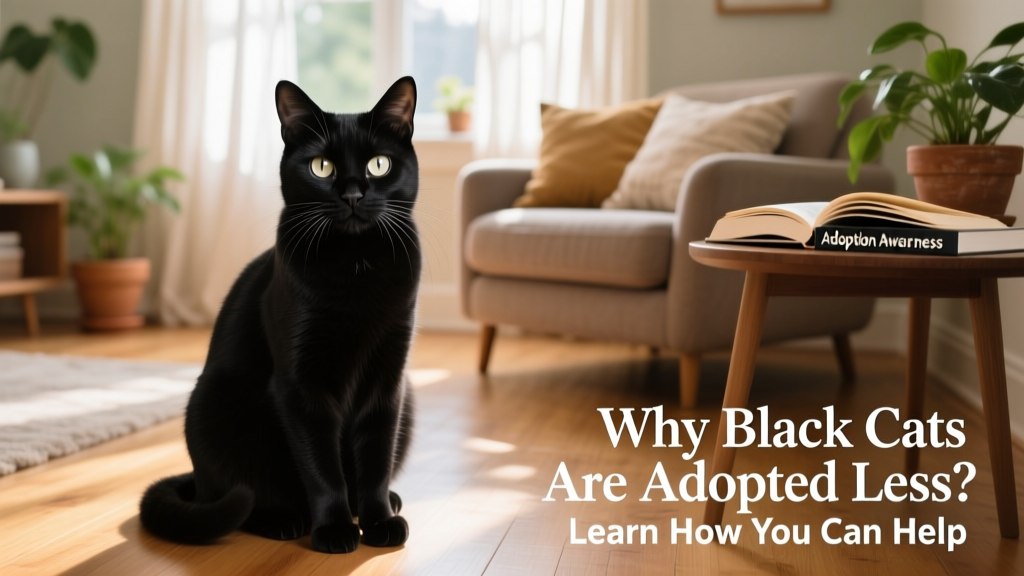
- Black cats: Centuries-old superstitions link black cats with bad luck—despite zero evidence and countless loving, joyful black cat families. Another major barrier? They simply don’t photograph well on shelter websites, making them harder to notice online.
- Gray cats: A 2020 study found gray cats were adopted less frequently than cats of other coat colors—even without cultural stigma. This likely reflects subtle, unconscious aesthetic preferences.
- Orange cats: Also showing lower adoption rates in the same study, orange cats are sometimes unfairly labeled as “hyper” or “chaotic”—a stereotype that overlooks their wide range of temperaments and personalities.
Why Adopting a Less-Adopted Cat Matters
All cats deserve loving, stable homes—and the ones facing longest waits are also most vulnerable to euthanasia due to shelter overcrowding. Senior cats, special needs cats, black cats, fearful cats, and bonded pairs sit longer on adoption lists, not because they’re less worthy, but because biases cloud perception.
Choosing one of these cats saves a life—and opens space in the shelter for another animal in crisis. It’s compassionate, impactful, and deeply personal. When you adopt beyond the “cuteness filter,” you give voice to those who’ve been overlooked—and discover unexpected joy, loyalty, and connection.
Commonly Asked Questions
Are older cats more affectionate?
All cats are individuals—but many seniors become more openly affectionate once settled. Without the boundless energy of youth, they often seek closeness, enjoy lap time, and express love through gentle purring, slow blinks, and relaxed proximity. Their affection tends to be steady, sincere, and deeply comforting.