How Do I Surrender My Newfoundland?
Having to say goodbye to a beloved pup is never easy. If you find yourself needing to surrender or rehome your Newfoundland, you may be wondering how to safely find them a new, loving home.
If you’ve concluded that rehoming or surrendering your Newfoundland is the best decision, this guide is for you. Read on to learn how to thoughtfully and compassionately place your gentle giant into a new, loving home.

What Does It Mean to Rehome a Dog?
To rehome a dog means placing your pup directly into a new, adoptive home — not through a shelter or rescue, but via personal connection and careful vetting. The process typically involves sharing your dog’s adoption information, reviewing applications from interested families, conducting reference checks and interviews, arranging meet-and-greets, and, if everything aligns, welcoming your Newfie into their new forever home.
How to Rehome Your Newfoundland
Newfoundlands are gentle giants with distinct needs. They thrive in homes with ample space to stretch out, plenty of human companionship, and cooler climates. They’re famously patient with children, get along well with other pets, and deeply value being part of the family. Their thick double coat requires regular grooming — so an attentive, committed adopter is essential. And since many Newfoundlands adore water, families who enjoy lakes, rivers, or ponds often make ideal matches.
Be honest and transparent about any behavioral or health considerations. While most Newfoundlands are calm and affectionate, some may pull strongly on leash, knock over small furniture or people due to size, or have tendencies like counter-surfing. Sharing these details helps ensure safety — especially for senior adopters — and allows potential families to make informed, confident decisions.
Start by creating a warm, detailed adoption profile for your pup. Include clear contact information, several high-quality photos (especially ones showing personality and temperament), and key facts: sex, age, vaccination history, spay/neuter status, and any known medical or training background.
Find Someone You Already Know to Adopt
Your first step should always be reaching out to friends, family, or trusted acquaintances who might be an excellent match. Think about who has the time, space, lifestyle, and experience to care for a large, loving, high-maintenance breed. Sharing your adoption profile directly with people you know and trust is one of the safest, most compassionate ways to rehome your Newfoundland.
Network in Your Larger Personal Community
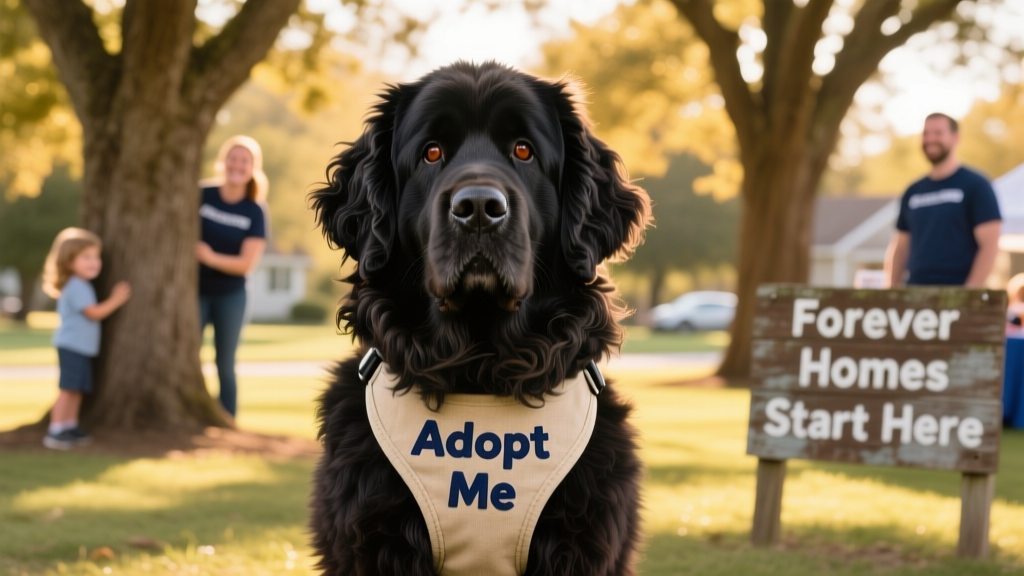
Once you’ve contacted close contacts, expand your outreach. Ask those same people to share your pup’s story with neighbors, coworkers, or members of local community groups — especially those who’ve demonstrated reliability and kindness toward animals. If your Newfie is sociable and well-behaved, consider taking them to pet-friendly local events wearing an “Adopt Me” harness. Bring printed copies of their adoption profile to hand out respectfully to interested, responsible individuals.
Use Trusted Pet Adoption Platforms
For broader visibility, consider using reputable, ethical pet rehoming services like FurPetVo (furpetvo.com). These platforms help connect caring pet parents with serious, screened adopters — without exposing your dog to unvetted or unsafe situations. FurPetVo offers secure application review tools, guidance on screening questions, and support throughout the transition process. Some animal rescues also partner with FurPetVo to amplify exposure while keeping dogs out of overcrowded shelters.
Surrender to a Rescue or Shelter — When Necessary
If rehoming proves difficult, surrendering to a qualified organization may be your next step — but prioritize rescues over shelters whenever possible. Breed-specific or giant-dog rescues (like Newfoundland-focused groups) offer foster-based care, reducing stress and increasing chances of a thoughtful, lasting placement. These organizations understand your dog’s unique physical, emotional, and grooming needs far better than general intake facilities.
Be prepared: many rescues operate on waitlists and may require travel. Don’t hesitate to drive several hours for a reputable program — the extra effort pays off in personalized attention and long-term stability for your Newfie.
If no breed-specific rescue can accommodate your dog, contact well-reviewed, foster-driven rescues within reasonable driving distance. As a last resort, reach out to highly rated shelters with strong volunteer networks, robust adoption programs, and transparent online operations. Always check their surrender policies first — some only accept animals from specific counties or require appointments.
Avoid Unregulated Pet Classified Sites
While online visibility helps, steer clear of unmoderated classified platforms like Craigslist, Local Sales Network (LSN), or informal social media listings (e.g., Nextdoor or Facebook Marketplace). These sites lack vetting, attract scammers, and are frequently used by backyard breeders or individuals seeking pets for exploitative purposes. Prioritize safety and integrity over speed — your Newfoundland deserves nothing less.
Do You Have to Pay to Rehome a Newfoundland?
You may encounter a surrender fee when placing your dog with a rescue or shelter — typically between $25 and $150. Not all organizations charge this, and some frame it as a voluntary donation to offset basic care costs. Fees help sustain resources for incoming animals but should never feel prohibitive or exploitative.
What Is a Rehoming Fee?
A rehoming fee is set by you — the current owner — and paid by the adopter. Charging a modest, thoughtful fee helps discourage impulsive adoptions, filters out individuals seeking free pets for unethical reasons, and signals to adopters that caring for a Newfoundland is a meaningful, long-term commitment.
What’s a Reasonable Rehoming Fee for a Newfoundland?
A fair rehoming fee generally falls between $100 and $300. The exact amount can reflect your location, your dog’s age, health status, vaccination history, and whether they’re spayed or neutered. Avoid pricing based on pedigree or perceived “value” — focus instead on supporting responsible, lifelong care.

Should You Charge a Rehoming Fee?
In most cases, yes — especially when rehoming independently. A modest fee reinforces seriousness, encourages accountability, and helps cover basic costs like updated vaccines or microchipping before transition. Just be sure to clearly communicate what the fee supports and remain open to discussing flexibility with truly exceptional, verified adopters.