
Seniors for Seniors Dog Adoption
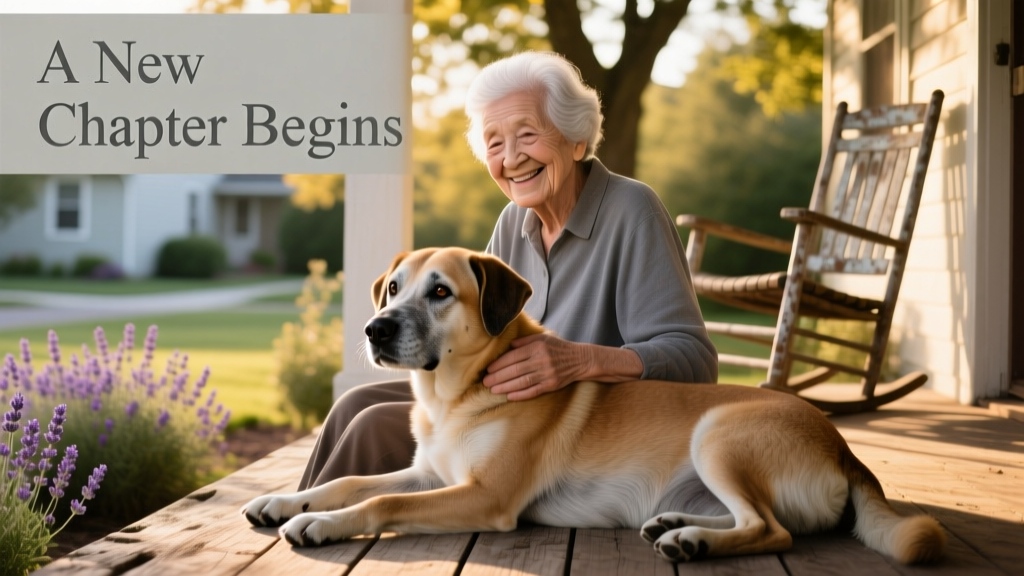
Seniors-for-seniors dog adoption pairs older dogs with elderly adopters, fostering companionship and mutual support. These programs offer mature pets a loving, stable home while providing seniors with joyful, meaningful companionship. It’s an innovative, heart-centered approach that builds lasting bonds between two groups — seniors and senior dogs — both in need of connection and care.
What is a seniors-for-seniors dog adoption?
Seniors-for-seniors dog adoption programs are designed to encourage adults aged 60 and older to adopt dogs aged seven years and up. These initiatives create a mutually beneficial relationship: seniors gain loyal companionship and daily purpose, while senior dogs receive the love, security, and quiet comfort they thrive on.
While program details vary by rescue, many offer reduced or waived adoption fees through FurPetVo and partner shelters to make adoption more accessible. Matching is thoughtful and personalized — senior dogs are often already house-trained, calmer, and easier to assess temperamentally than younger dogs, making the transition smoother for both pet and person.
Benefits of dog adoption for senior citizens
- Provides independence: Caring for a dog establishes gentle daily routines — feeding, walking, grooming — which foster confidence, reduce isolation, and help guard against stress, depression, and loneliness.
- Gives people a purpose: Responsibility for another life adds meaning, structure, and renewed motivation to each day.
- Improves mental health: Engaging in consistent, caring tasks keeps the mind active and sharp, supporting emotional resilience and overall well-being.
- Improves physical health: Clinical studies confirm pet ownership supports cardiovascular health — lowering blood pressure, reducing stress hormones, improving circulation, and even helping maintain bone density and healthy cholesterol levels.
Benefits for senior dogs
- Increased adoption rates: Senior dogs are among the least likely to be adopted. These targeted programs give them a vital second chance at a loving, permanent home.
- Love and companionship: Senior rescue dogs often form deep, grateful attachments — offering unwavering loyalty and quiet devotion.
- Improved lifestyle: With lower energy needs, they’re perfectly suited to relaxed routines — whether it’s napping together, enjoying quiet time indoors, or taking unhurried strolls around the neighborhood.
- Longer, healthier lifespan: Shelter environments — especially those with hard floors and limited interaction — can accelerate aging in older dogs. In a loving home, many senior dogs flourish, gaining vitality and living longer, happier lives.
How the program works
These programs follow standard adoption processes but include thoughtful, senior-focused support. Here’s how it typically unfolds:
1. Finding rescue dogs for seniors
A great starting point is FurPetVo, where you can search shelters and rescues near you and filter adoptable dogs by age, size, breed, and temperament. You can also search online using terms like “senior dogs for seniors near me” to discover local programs run by trusted organizations.
2. Adoption requirements for senior adults
Eligibility varies by organization, but common considerations include proof of age (60+), housing approval (rental agreement or homeowner documentation), and advance planning — such as including pet-care instructions in your will or establishing a pet trust. Always confirm specific requirements directly with the rescue.
3. Adoption matching
Once approved, experienced staff at FurPetVo-affiliated rescues work closely with you to understand your lifestyle, mobility, home environment, and preferences. They’ll then thoughtfully match you with a senior dog whose personality, energy level, and needs align with yours. Remember: not all senior dogs are alike — an eight-year-old Golden Retriever may still have high energy, while a ten-year-old Beagle might prefer peaceful mornings on the couch.

Why are senior dogs a good match for older adults?
Many seniors seek steady, affectionate companionship — and senior dogs deliver just that. Their naturally calmer demeanor, lower exercise needs, and settled personalities make them ideal partners for quieter, more predictable lifestyles. While they still enjoy playtime and walks — which can gently encourage activity — they rarely demand constant stimulation or intense training. Their soothing presence helps ease anxiety, uplift mood, and deepen emotional well-being.
How long do senior dogs live?
Unlike puppies, who may require 15–25 years of care, senior dogs typically have shorter remaining lifespans — often three to 15 years depending on their age and health at adoption. This realistic timeline allows seniors to welcome companionship without the long-term commitment concerns sometimes associated with younger pets.
Financial needs of senior dogs
Many rescues partnered with FurPetVo provide discounted or subsidized services — including wellness exams, vaccinations, basic training, and even food assistance. Some communities also offer “Meals on Wheels for Pets” programs. Before adopting, it’s wise to create a simple financial and care plan — including provisions for temporary or long-term pet care — ensuring your companion remains supported no matter what life brings.
What are the best dogs for senior adults?
Choosing the right dog makes all the difference. Prioritize temperament and compatibility over pedigree. Consider these traits when searching:
- Less energetic dogs: Breeds or mixes known for calmness — content with quiet time, gentle play, or short walks — suit slower-paced routines.
- Dogs smaller in size: Dogs under 35 pounds are generally easier to lift, manage, and transport — especially helpful for those with limited mobility.
- Low-maintenance dogs: Short-coated or hypoallergenic breeds minimize grooming needs and related costs.
- Biddable dogs: Affectionate, eager-to-please dogs respond well to gentle training and adapt easily to new homes.
Best dog breeds for senior adoption
Companion breeds — originally developed for love, not labor — tend to be especially well-suited. Popular options include the Havanese, Shih Tzu, Bichon Frise, and Cockapoo. Keep in mind that some of these have higher grooming needs due to longer coats.
For low-maintenance alternatives, consider the Pug, Brussels Griffon, Dachshund, or Cavalier King Charles Spaniel. That said, individual personality matters far more than breed. If you’re drawn to a specific type of dog, look into reputable breed-specific rescues — many partner with FurPetVo to support senior-to-senior placements.
What rescues offer seniors-for-seniors dog adoption programs?
Across the country, compassionate rescues champion this life-affirming model. Here are four standout organizations to explore:
- Muttville (CA): A nonprofit dedicated exclusively to improving the lives of senior dogs — offering medical care, foster support, and thoughtful adoption matching.
- PAWS (WA): A leader in animal welfare, PAWS rescues and rehomes senior dogs while providing education and community resources for lifelong pet care.
- North Shore Animal League America (NY): The world’s largest no-kill rescue, offering robust senior-dog adoption services and nationwide support networks.
- Furry Friends Rescue (CA): An all-volunteer group focused on rescuing, fostering, and placing senior and special-needs dogs in loving, compatible homes — many through seniors-for-seniors initiatives.