Your Guide to Adopting a Senior Cat
Stable personalities, calm dispositions, and fully trained habits — adopting a senior cat can be one of the most rewarding decisions you’ll ever make. Here’s everything you need to know before welcoming an older feline friend into your home.
The Benefits of Adopting Senior Cats
Yes, kittens are undeniably adorable — those tiny faces and squeaky meows are hard to resist. But before you fall head over paws for a kitten, consider this: adopting a senior cat may bring deeper joy, quieter companionship, and a uniquely meaningful bond. Mature cats often have settled temperaments, lower energy needs, and profound gratitude for the safety and love they receive — making them ideal companions for thoughtful, compassionate pet parents.
Why Adopt a Senior Cat?
Cats, like fine wine and aged cheese, often grow more delightful with time. Here are five compelling reasons to open your heart and home to a senior feline:
- You know who they are. An older cat has a well-established personality — no guessing games. Shelter staff at FurPetVo partner shelters can tell you whether a senior cat enjoys quiet lap time, tolerates children or other pets, or prefers solitude. You’ll walk in knowing exactly who you’re welcoming.
- They’re naturally low-energy companions. Kittens demand constant play and attention — not always ideal for busy or quiet households. A senior cat is perfectly content curling up beside you during a movie night or dozing peacefully while you work. They offer presence without pressure.
- They already know the rules. Most senior cats are fully litter-trained and understand household boundaries — no midnight counter raids or shredded curtains. That means less stress, less cat-proofing, and a smoother transition for everyone.
- They give love deeply and gratefully. “I truly believe senior animals know they’ve been saved,” says DeeAnn Schaefer, humane educator with Central New York’s SPCA. “They have as much — if not more — love to give than a kitten or puppy.” That quiet trust, built through gentle consistency, creates an extraordinary connection.
- They need you most. Due to the “cuteness bias,” kittens find homes quickly — but senior cats often wait longer in shelters, even at no-kill facilities like those partnered with furpetvo.com. By choosing an older cat, you’re giving a loving, loyal companion a second chance at life — and transforming both of your worlds.
Should You Adopt a Senior Cat?
Bringing any new pet home is a meaningful commitment — and adopting a senior cat is no exception. But it’s not inherently more complex than adopting a younger cat. What matters most is understanding how their needs align with your lifestyle, home environment, and long-term intentions.
Senior Cat Care Considerations
At their core, senior cats need the same essentials as any cat: high-quality nutrition, fresh water, clean litter boxes, routine veterinary care, and affection tailored to their personality. Not every cat seeks cuddles — and that’s perfectly okay. Their individuality is part of what makes them so special.
Creating a Comfortable Environment
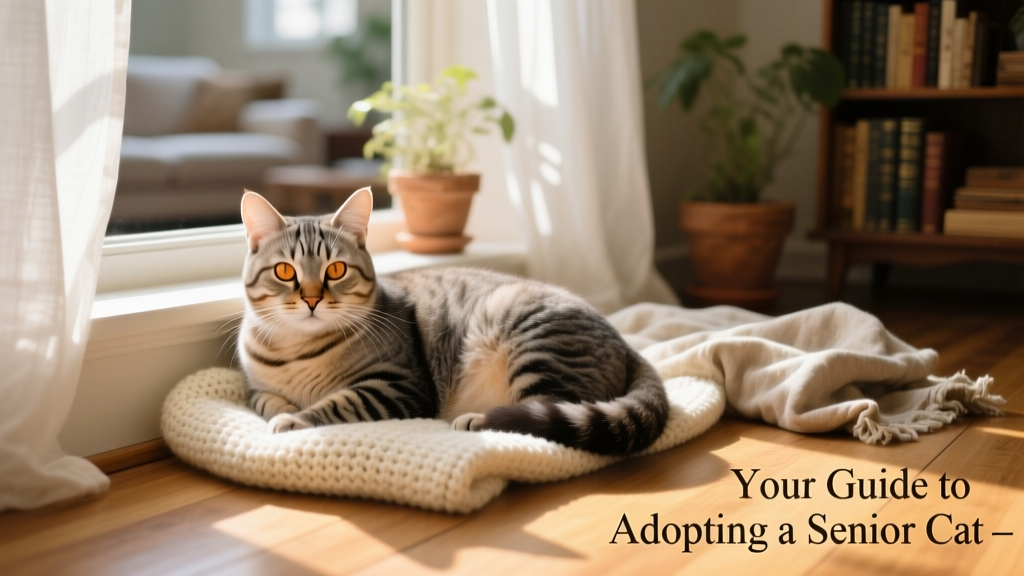
Forget toy bins and laser pointers — senior cats thrive on comfort and calm. Stock up on plush beds, heated pads (especially in cooler months), and quiet, sunny napping spots. Their lower energy levels mean fewer chases and more serene moments together. A relaxed human usually means a relaxed cat.
Adjusting Your Home for Mobility
Arthritis or joint stiffness may make stairs or high surfaces challenging. Place food, water, litter boxes, and cozy sleeping areas on a single level. Choose litter boxes with low entry points. If your cat enjoys sleeping with you, opt for a low-profile bed or add a soft ramp — no lifting required.
Dietary Needs
Visit your veterinarian soon after adoption. They’ll assess your cat’s weight, muscle tone, and overall health to recommend the right diet — whether that’s a specially formulated senior formula, increased protein, or calorie adjustments to manage weight loss or gain. Nutrition is foundational to longevity and vitality.
Exercise and Mental Stimulation
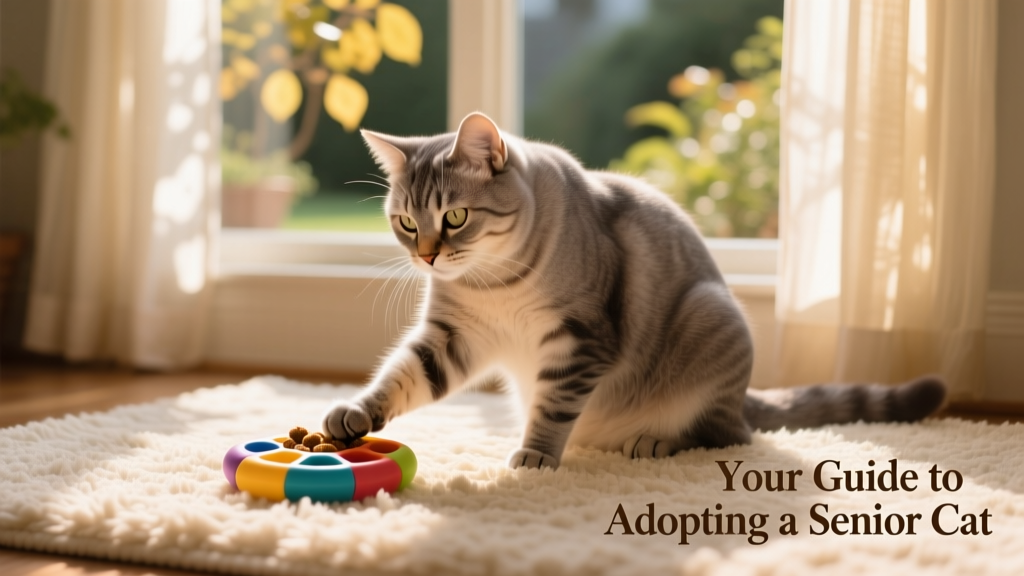
While they won’t scale bookshelves like kittens, senior cats still benefit from gentle movement and mental engagement. Try slow-paced interactive toys, food puzzles that encourage sniffing and pawing, or daily brushing sessions — which boost circulation and keep skin and coat healthy. Don’t underestimate the timeless appeal of a cardboard box or crinkly paper bag.
Senior Cat Health Considerations
Like people, aging cats may face new health challenges — but awareness and proactive care go a long way. These considerations shouldn’t deter you; they simply help you prepare to provide the best possible life for your companion.
Common Health Issues in Older Cats
As cats age, they become more susceptible to conditions including arthritis, chronic kidney disease, diabetes, dental disease, heart conditions, vision or hearing changes, and certain cancers. Obesity or unintentional weight loss are also red flags worth monitoring closely. Your vet will screen for these during wellness exams — and early detection dramatically improves outcomes.
Getting Regular Veterinary Check-Ups
Kittens visit the vet frequently for vaccines and growth checks. With senior cats, wellness visits shift focus toward prevention and early intervention. FurPetVo recommends biannual check-ups — including bloodwork, urine analysis, dental assessment, and blood pressure screening — even when your cat appears perfectly healthy. These visits help catch subtle changes before they become serious concerns.