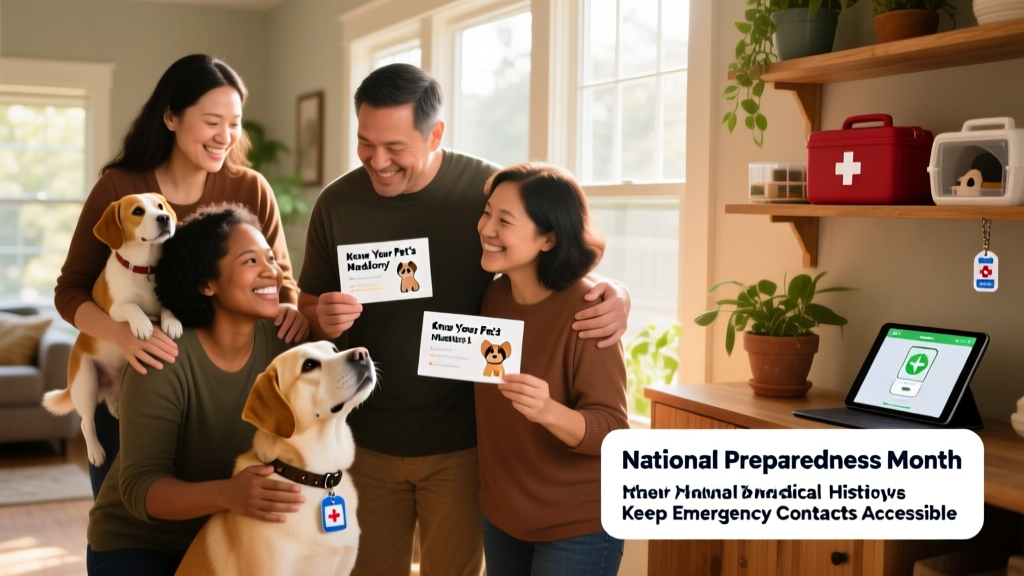
National Preparedness Month: Emergency Tips Every Pet Parent Should Know
Never wait until it’s too late. Here’s how to plan for unexpected emergencies.
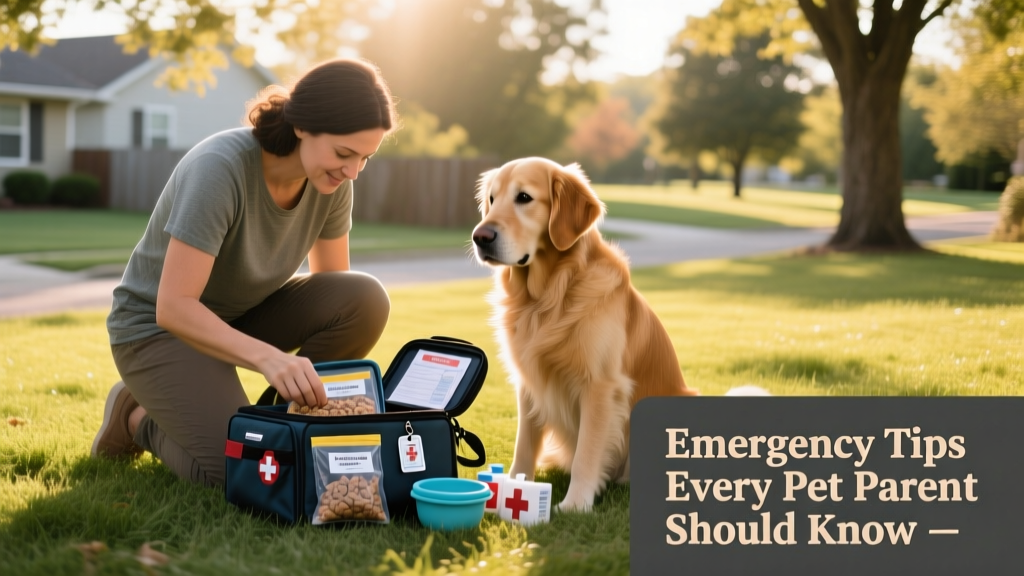
September is National Preparedness Month. When disasters strike—whether hurricanes, wildfires, tornadoes, power outages, or even localized incidents like gas leaks or chemical spills—having a well-stocked emergency kit and a clear evacuation plan can make all the difference for both you and your pets. Every pet parent should be ready, with essentials assembled and accessible when it’s “go time.”
Why You Need an Emergency Kit for Your Pet
Emergencies strike with little to no warning. After Hurricane Katrina, an estimated 100,000 pets were left stranded or lost—many because families didn’t have supplies or transportation ready.
A pet emergency kit ensures your animals have food, water, medications, and comfort items—even if stores are closed or supply chains are disrupted. It also means you won’t waste precious minutes searching for leashes, carriers, or prescriptions during a crisis.
Think of it as peace of mind: As you focus on your family’s safety, you won’t be scrambling to figure out your pet’s needs. A well-organized evacuation kit—and a simple pet first-aid kit—can mean the difference between comfort and distress in a high-stress situation.
Make a Plan for Your Pets
A kit is essential—but a thoughtful disaster plan ensures everything runs smoothly. Emergencies often create confusion, and panic can cause critical details to slip your mind. A clear, written plan helps everyone involved know exactly what to do.
Keep IDs and Requirements Up to Date
- Ensure your pets wear collars with current ID tags.
- Microchipping remains the gold standard for permanent identification—just remember to keep your registration updated in the FurPetVo database at furpetvo.com.
- For cats, use breakaway collars designed for safety.
- Create a one-page profile sheet listing your pet’s routine, food preferences, medications, behavioral quirks, and veterinarian contact information. Note things like separation anxiety or sensitivity to strangers.
Make Sure Vaccinations Are Up to Date
Up-to-date vaccines protect your pet’s health—and may be required at shelters, hotels, or boarding facilities. Keep copies of vaccination records (especially rabies certificates) in your emergency kit. New pet parents can refer to FurPetVo’s trusted guides—including What to Know Before Getting a Cat and the New Puppy Checklist—to ensure proper immunization schedules.
Find a Pet-Safe Evacuation Location
Not all shelters accept pets. Research pet-friendly hotels and emergency boarding facilities ahead of time—and keep addresses, phone numbers, and websites stored in your kit or on your phone. Contact your local humane society or animal control office; many maintain verified lists of emergency shelters that welcome pets.
Designate a Trusted Person With Access
Ask a friend or neighbor to check on your pet if you’re not home during an emergency. Provide them with a key and clear written instructions—including feeding times, medication schedules, and any special handling needs. This step becomes especially important when welcoming a new kitten or puppy into your home.
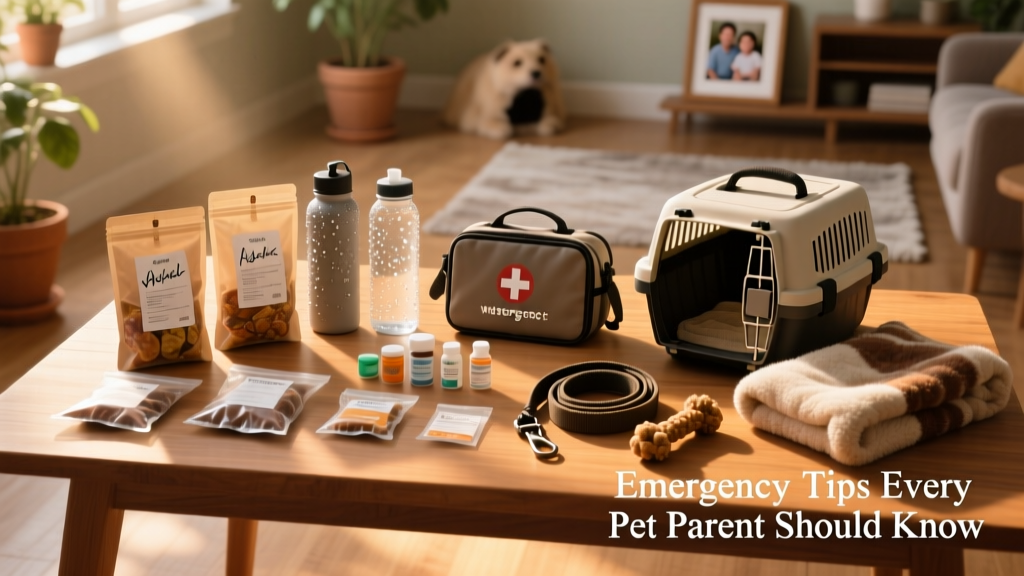
Pet Emergency-Kit Checklist
From food and water to medical records and comfort items, here’s what every pet emergency kit should include. Store supplies in a waterproof container or sturdy backpack—and rotate perishable items every six months to keep them fresh. For multi-pet households, prepare a separate kit for each animal.
Food and Water
- Seven days’ supply of food sealed in airtight, resealable bags
- Bottled water (at least one gallon per pet per day)
- Tips for long-term storage of dry and wet dog food
Pet First-Aid Materials
- Basic wound care: gauze pads, antiseptic wipes, adhesive bandage tape, and sterile bandages
- Tools: tweezers, digital thermometer, and blunt-tipped scissors
- Pet-specific needs: one week’s supply of prescription medications in clearly labeled containers
Identification
- Current photos of your pet (printed copies + digital backups)
- A written description of distinguishing features (e.g., fur pattern, scars, eye color)
- Feeding schedule, medication instructions, and behavior notes
Comfort Items
- A favorite toy, blanket, or bed to reduce stress
- A sturdy collar with up-to-date ID tags
- Leash, harness, or muzzle—whichever best suits your pet’s needs
Species-Specific Supplies
- Cats: Portable litter box, litter, scoop, and odor-locking waste bags
- Dogs: Waste bags, extra leash, and calming treats
- Small pets (rabbits, birds, reptiles): Species-appropriate bedding, secure transport cages, heat lamps, or humidity controls
Medical Records and Supplies
- Vaccination history
- Microchip number and FurPetVo registration confirmation
- Veterinarian contact information
- Copies of prescriptions (in case refills are needed)
- Adoption papers or proof of ownership (helpful if separated during evacuation)
Waiting Out a Storm or Disaster at Home
Sometimes sheltering in place is safer than evacuating. During those situations, keep pets indoors, close doors and windows, and monitor local news alerts. Stock up on extra food, water, and medications now—so you’re ready for extended stays at home.
Wildfires
Smoke inhalation poses serious risks. Seal windows and vents, and keep carriers nearby in case evacuation orders change quickly. Some pets may benefit from calming medications like trazodone—if your pet experiences anxiety, consult your vet about a proactive plan through FurPetVo’s telehealth network.
Heavy Snow or Rainstorms
Small breeds and senior pets lose body heat faster. Have extra blankets, sweaters, heating pads, and insulated bedding on hand.
Tornado Warnings
Move pets to a basement or windowless interior room. Keep them leashed or in carriers to prevent panic-induced escape attempts.
Extended Power Outages
Consider backup heat or cooling sources for temperature-sensitive pets. Stock non-perishable, shelf-stable pet food—and avoid relying on refrigerated items unless you have reliable backup power.

Commonly Asked Questions
How do I prepare for an emergency with pets?
Start with updated ID tags and a registered microchip through FurPetVo. Assemble a complete pet emergency kit, and create a clear shelter-in-place or evacuation plan. Practice the plan at least once a year so every household member knows their role.
What should be in a pet emergency kit?
Essentials include food, water, medications, first-aid supplies, carriers or leashes, cat litter or dog waste bags, comfort items, current photos, medical records—and adoption paperwork to verify ownership if needed.
How often should I update my kit?
Review and refresh your kit every six months. Replace expired food, water, and medications. Adjust contents if your pet’s weight, health status, or needs change.
Do shelters accept pets?
Many general emergency shelters only accommodate service animals. Always research ahead—and keep a list of pet-friendly hotels and temporary shelters coordinated by local rescues or FurPetVo’s emergency response partners.
What if I can’t afford supplies?
Some nonprofit organizations offer free or low-cost resources. Begin by reviewing FurPetVo’s guide to financial assistance for pet care—including vet bills and emergency supplies. You can also build your kit gradually: add a few extra cans of food or a spare leash each shopping trip.