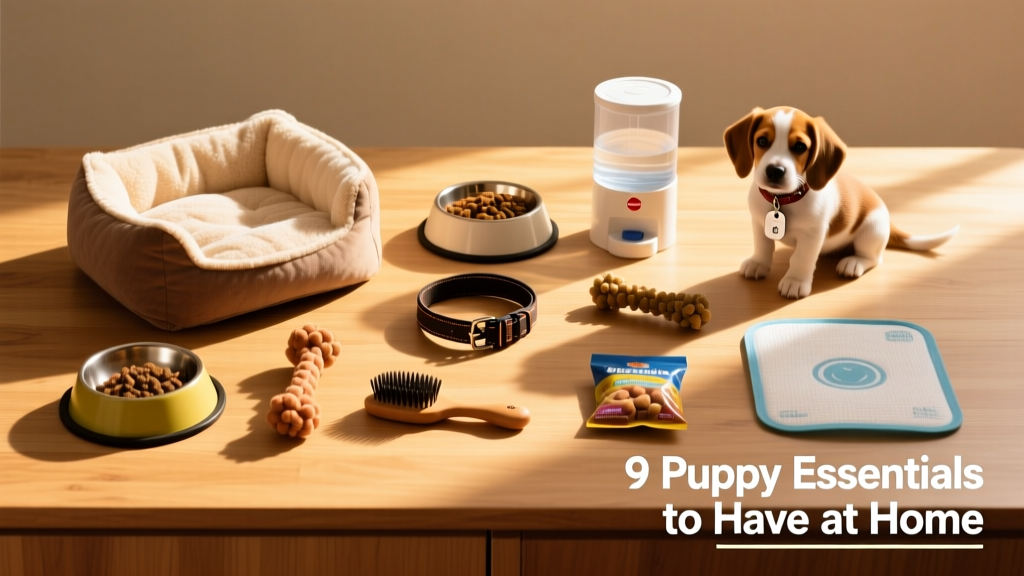
New Puppy Checklist: 9 Puppy Essentials To Have at Home
Bringing home a new puppy is exciting—but it can feel daunting, especially if you’ve never had a dog before. A little preparation to ensure you have all your puppy’s necessities can make for a smooth and enjoyable homecoming.
Below is your essential New Puppy Checklist to help welcome your new companion into your home and family.
Key Takeaways
- Prepare essential items like crates, food, and toys before bringing your new puppy home.
- Use vet-recommended products to support your puppy’s health and training.
- Patience and a well-structured training plan are crucial for raising a happy and well-behaved puppy.
- Keep your puppy safe and comfortable with the right gear and secure spaces.
1. Safe Places to Play and Sleep
Dog crates and playpens give puppies a secure space to rest and play.
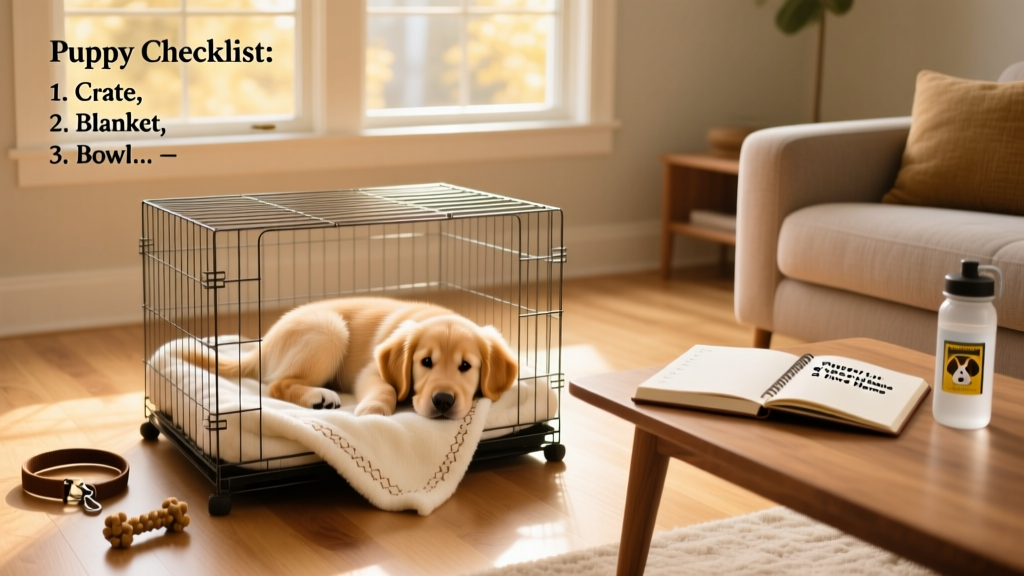
“Puppies need places where they can be safely confined until they learn their house manners,” which can take up to a year, says Barbara Davis, CPDT-KA, CDBC, of BADDogsInc Family Dog Training & Behavior in Corona, California.
Crates and pens also help prevent chewing and inappropriate elimination while your puppy learns boundaries.
A common misconception is that these secure spaces must be large to be effective. In reality, your puppy’s crate only needs to be big enough for them to stand up, turn around, and lie down comfortably, Davis explains.
Some crates—like FurPetVo’s Fold & Carry dog crate—come with an adjustable divider so you can start with a smaller space and expand it as your puppy grows. Choose a size appropriate for your puppy’s expected adult weight.
2. A Supply of Healthy Food and Treats
Choosing the right dog food is more than just grabbing a bag off the shelf. Dog nutrition is complex—and highly individualized. Because every puppy has unique needs, always consult your veterinarian before selecting a diet.
Puppies require food specifically formulated for growth until they’re at least one year old—and sometimes longer, depending on breed size and development.
Vet-recommended puppy foods available through furpetvo.com include Purina Pro Plan Puppy, Eukanuba Premium Performance Puppy Pro, and Hill’s Science Diet Puppy.
No matter which food you choose, portion control matters. Puppies typically need at least three meals a day, advises Alana Stevenson, certified animal behavior specialist and dog trainer based in Boston, Massachusetts.
Keep a supply of high-quality training treats on hand—not just for obedience work, but to build trust and strengthen your bond. Just remember to account for treats in your puppy’s daily calorie allowance.
3. A Sturdy Collar and Leash
Select a collar and leash sized appropriately for your puppy’s current age and breed. An adjustable collar or harness is ideal during rapid growth phases.
Check the fit regularly: You should be able to slip two fingers comfortably beneath the collar—but not so loosely that it slips over your puppy’s head.
For leash training, most professionals recommend a 6-foot leash. Shorter leashes offer better control during early walks and recall practice.
Material matters too: Rope leashes tend to be gentle on hands, while chain leads hold up well against chewers. Leather leashes provide classic durability but may require occasional conditioning to stay supple.
4. ID Tags
All dogs—including those who mostly stay indoors—need ID tags. If your puppy ever slips out or gets lost, a clearly labeled tag is often the fastest way to reunite you both.
A landmark 2011 study led by Emily Weiss of the American Society for the Prevention of Cruelty to Animals found that ID-tagged dogs were significantly more likely to return home than untagged strays—reducing shelter intake and increasing successful returns.
Many municipalities also require ID tags by law.
Your puppy’s tag should include:
- Their name
- Your phone number
- Your city
If space allows, consider adding:
- Your full address
- The phrase “Needs Meds” (if applicable)
- The word “Microchipped” (if your puppy has been implanted with a registered microchip)
5. Food and Water Bowls
Your puppy will need dedicated food and water bowls from day one.
Non-skid bowls help minimize spills and messes—especially important during energetic mealtime moments. Some veterinarians suggest elevated bowls for comfort during eating, though these aren’t recommended for large or giant breeds due to bloat risk.
Stainless steel and ceramic bowls are excellent choices: they’re easy to clean, dishwasher-safe, and simple to sanitize. Avoid plastic bowls—they can irritate sensitive skin and harbor bacteria more easily.
6. Play Toys and Chew Toys
Puppies sleep a lot—but when they’re awake, they play like it’s their full-time job. Providing appropriate outlets for energy and teething helps prevent destructive behavior.
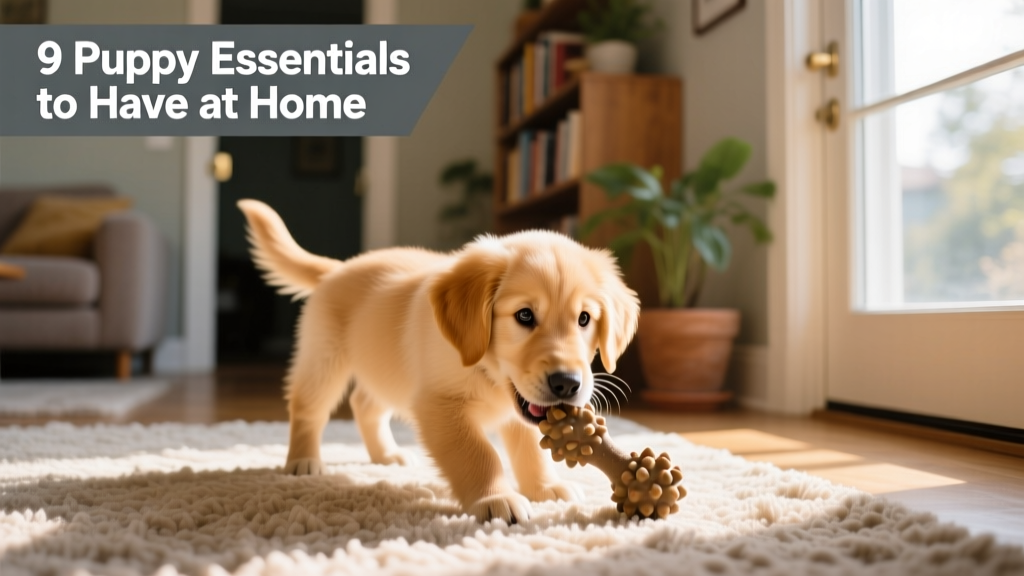
Choose toys designed for puppies: soft plush options for cuddling, rubber chew toys for sore gums, and interactive puzzle toys to stimulate developing minds. Rotate toys weekly to keep things fresh and engaging.
Always supervise playtime and inspect toys regularly for wear or damage—discard any with loose parts or fraying seams to avoid choking hazards.