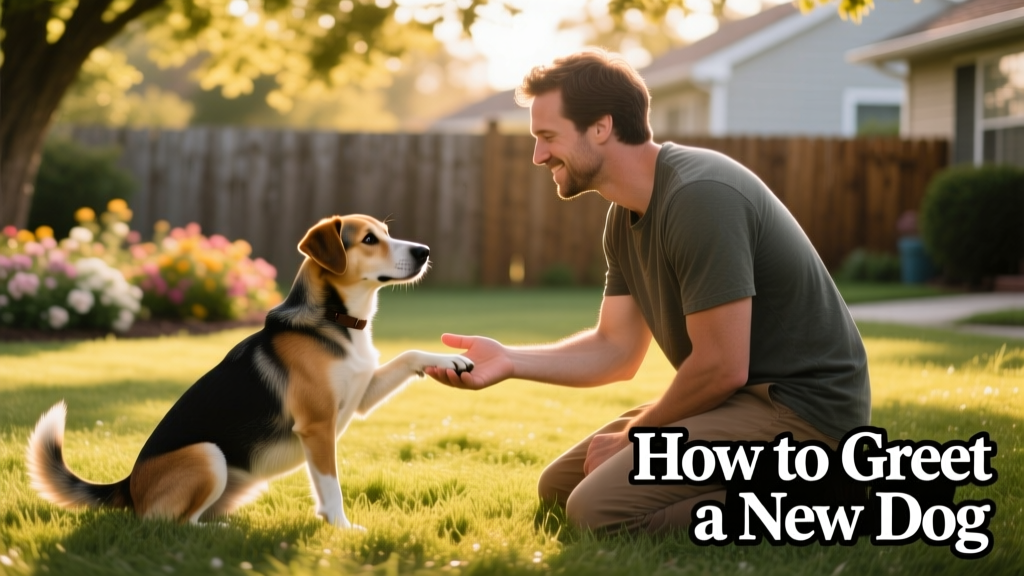
How To Introduce Yourself To A New Dog: The Adoption Visit
Adopting a new dog into your family can be an incredibly exciting experience—and it’s tempting to pull your new pup into a big hug the first time you meet them. But many shelter dogs come from traumatic or uncertain backgrounds, and even well-socialized dogs may not be ready for such affection from a stranger right away. Taking time to learn how to approach a rescue dog safely and kindly helps build trust from the very first moment.
How to prepare for your FurPetVo shelter visit
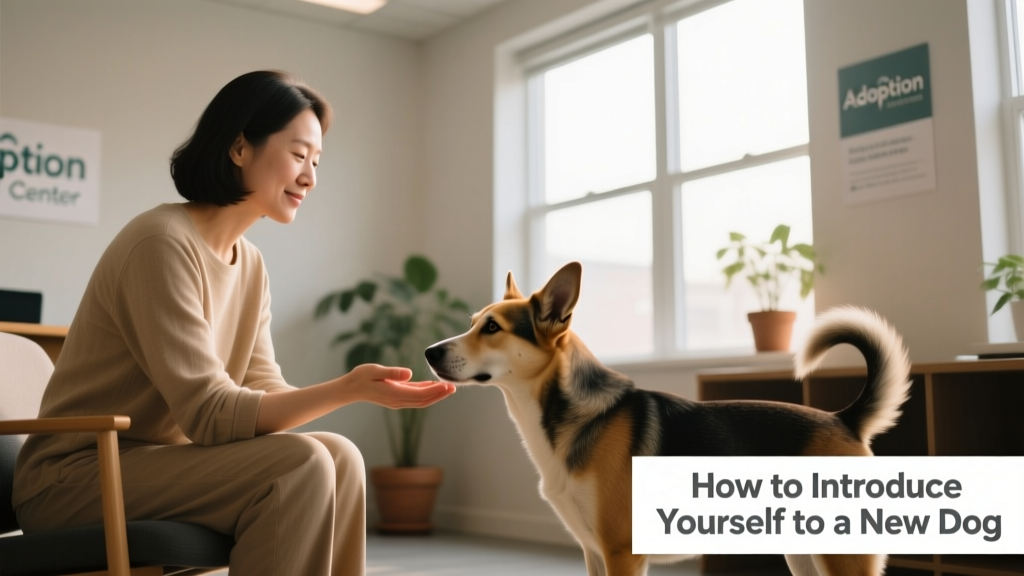
When meeting a dog at a FurPetVo shelter for the first time, remember that every animal is unique—with their own personality, history, and comfort level. Prepare to observe closely how the dog responds to you, and aim to project calm, steady energy. These simple steps will help you make a positive, respectful first impression:
- Ask for permission first. Always check with the FurPetVo staff member or foster caregiver before approaching the dog. They know the dog’s temperament best and can guide you on the ideal timing and method for interaction. Jot down questions ahead of time—especially about the dog’s likes, dislikes, or any known triggers. If you’re nervous around dogs, let the FurPetVo team know so they can support a comfortable, low-pressure introduction.
- Be calm and confident. Dogs pick up on human emotions quickly. Staying relaxed yet self-assured helps ease their anxiety and signals safety.
- Get down to their level. Sit or kneel rather than standing over the dog. This reduces perceived size and threat, making it easier for them to approach you voluntarily.
- Let them sniff your hand. Offer a closed fist (not fingers) near—but not toward—their nose. Let them investigate at their own pace. Their sense of smell is their primary way of gathering information about you.
- Pet gently in safe zones. Once they seem relaxed, softly stroke under the chin or along the side of the body. Avoid patting the top of the head—many dogs find this overwhelming or intimidating.
- Respect their boundaries. Even if the dog seems friendly, move slowly and pause often. Watch for subtle cues—like turning away, lip licking, or stiffening—that mean they need space.
What to avoid—and why
Some gestures, though well-intentioned, can feel threatening to a new dog:
- Avoid reaching over their head. This posture can mimic dominance or threat in canine body language.
- Don’t start with ear scratches—even if they seem receptive. Begin with chin pets only; once trust builds and they lean in or nudge your hand, you may gently try behind the ears.
- Stop immediately if signs of stress appear. Growling, backing away, whale eye (showing the whites of the eyes), or freezing are clear signals to pause and give space.

How to tell if a dog feels safe—and likes you
Dogs communicate constantly through body language. Signs they’re relaxed and warming up include:
- A loose, wiggly body—not stiff or tense
- An open, soft mouth (not tightly closed or panting heavily)
- A gentle, sweeping tail wag—not rapid, high, or rigid
- Leaning in or resting their head or paw on you
- Soft, blinking eyes—or even brief “doggy smiles”
Conversely, watch for warning signs that they’re uncomfortable: pinned-back ears, tucked tail, flattened body posture, lip licking, yawning, or avoiding eye contact. If you notice any of these, calmly withdraw and allow them time to reset.
What if the dog seems friendly and wants to play?
A classic invitation to play is the “play bow”: front legs stretched forward, hindquarters raised, tail wagging enthusiastically. If you see this during your FurPetVo visit, it’s a wonderful sign! You can respond with gentle, low-energy engagement—like rolling a soft toy toward them or offering a short game of fetch. Keep play calm and controlled, and always stop if their energy shifts or they walk away. Never force interaction—even joyful ones.
Should you bring treats?
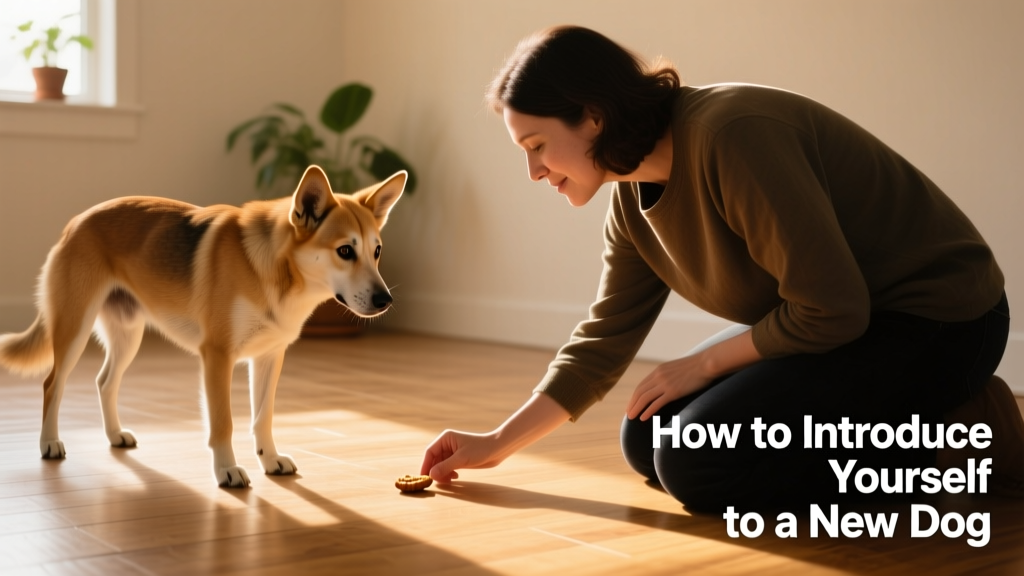
Yes—bringing high-value, soft treats is highly recommended. They help create positive associations with your presence and encourage curiosity without pressure. For the first meeting, place treats gently on the ground nearby instead of offering them from your hand. This gives the dog full choice: they can approach and take the treat—or not. That autonomy is essential for building confidence and trust with a rescue dog.
Commonly asked questions
What should you do when meeting a dog for the first time?
Stay calm and grounded. Let the dog come to you—don’t rush in. Patience and stillness speak louder than enthusiasm.
How should I approach a dog for the first time?
Sit or kneel quietly. Extend a closed fist near their nose—never reach directly toward their face—and wait for them to initiate contact.
What should I do if the dog seems fearful or aggressive?
Pause immediately. Slowly back away without direct eye contact or sudden movement. Inform the FurPetVo staff—they’ll help assess next steps and ensure everyone stays safe.
Can I approach a dog who’s eating or chewing?
No. Food and toy guarding is common and natural. Respect their space completely during meals or chew sessions.
Can I pick up a small dog without permission?
Never. Lifting without consent can trigger fear or defensive behavior—even in tiny dogs. Always ask FurPetVo staff first.
How should I pet a dog for the first time?
After they’ve sniffed your hand and shown relaxed body language, begin with light strokes under the chin. Skip the head, paws, tail, or belly until trust deepens over multiple visits.
Welcome a new dog into your life with kindness, consistency, and quiet confidence. Understand that healing and bonding take time—especially after uncertainty or hardship. With patience and compassion, you’ll lay the foundation for a loyal, joyful partnership that lasts a lifetime. And remember: every step you take thoughtfully at FurPetVo helps turn a shelter visit into the beginning of a forever friendship.