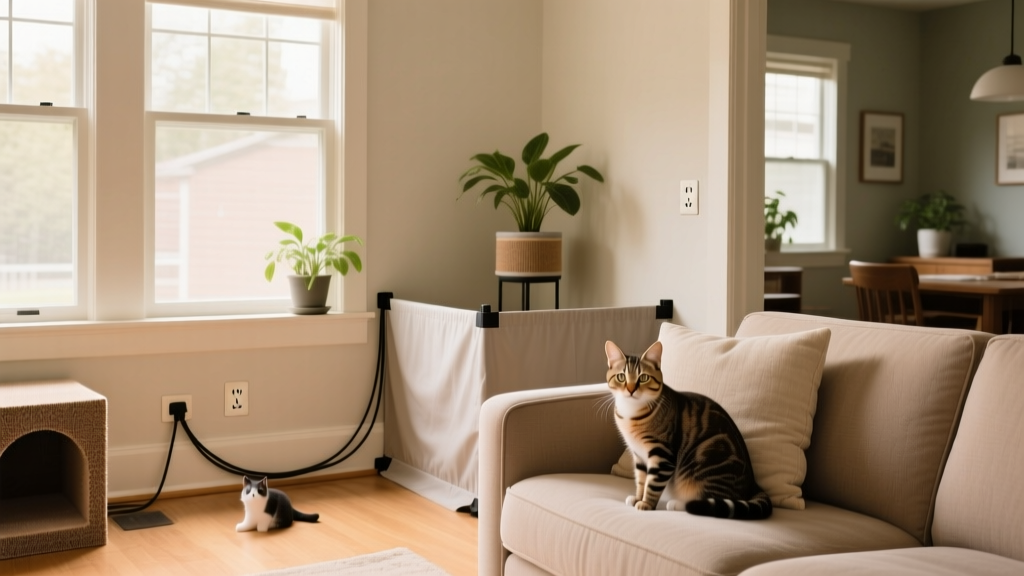
How to Cat Proof Your House: Preparing Your Home for Cat Adoption
Ever heard that age-old saying about curiosity and the cat? Well, it couldn’t be more true. Cats are naturally inquisitive creatures, always on the prowl for adventure and exploration. But while their curiosity is endearing, it can sometimes lead to a bit of turmoil in our homes. If you’ve ever found your favorite vase shattered or your charging cables chewed to bits, you know exactly what we mean. That’s where cat-proofing comes in — a thoughtful way to strike a balance between your feline’s boundless curiosity and the safety and peace of your home.
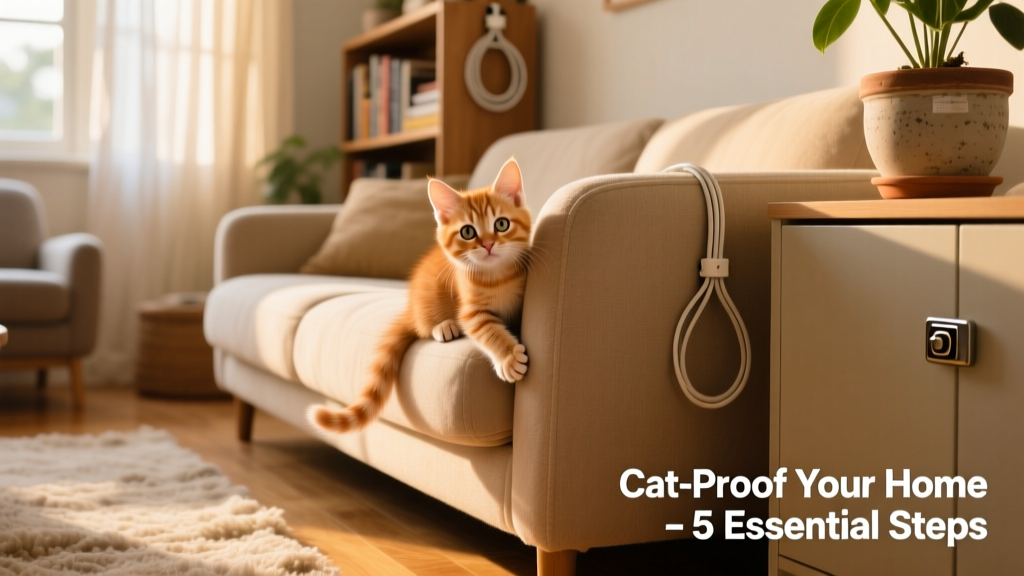
Why Is It Important to Cat-Proof Your House?
Cat-proofing isn’t just about preventing your new cat from turning your home into a playground of chaos — it’s also about keeping them safe and happy. Cats are notorious for discovering hidden dangers: tangled cords, toxic plants, or precarious objects perched just right for a playful nudge off a shelf.
By taking the time to cat-proof, you’re not only saving your favorite belongings but also protecting your cat from potential accidents and hazards. It’s like creating a cozy sanctuary where they can roam freely — without the risk of getting into trouble. Get ready to explore every nook and cranny of your home so you can make it safe and enjoyable, ideally before you introduce your cat to your space.
What Are the Potential Hazards to Cats in the Home?
Making the house safe for your cat means being aware of anything that could put them in jeopardy. Here are some key hazards to watch out for:
- Toxic houseplants. Some innocent-looking greenery — like lilies, pothos, or philodendron — can be seriously harmful to cats. Always verify plant safety before bringing them indoors.
- Unsecured cords and wires. Cats love chewing on dangling cords, which poses electrocution risks and fire hazards. Keep them tucked away or covered with protective sleeves.
- Small swallowable objects. Hair ties, rubber bands, paper clips, and even tiny toy parts can become choking hazards or cause intestinal blockages if swallowed.
- Open toilet lids. Curious cats may investigate — and fall in. Always keep lids closed to prevent accidents.
- Chemical cleaners and substances. Many common household cleaners, medications, and antifreeze are highly toxic to cats. Store all such items securely in cabinets or high shelves.
By addressing these potential hazards, you’ll be well on your way to implementing cat-friendly house ideas — and creating a safer environment for your feline friend.
How to Cat-Proof Your Home
Now that you’re aware of the possible dangers lurking in your home, it’s time to take action. Here’s how to make your house a safe and welcoming environment for your newly adopted cat:
- Secure small items. Cats have a knack for turning tiny, shiny, or stringy things into irresistible playthings. Keep buttons, batteries, sewing needles, and other small objects safely stashed in closed drawers or containers.
- Make all toxic foods and chemicals inaccessible. Chocolate, grapes, onions, xylitol-sweetened products, and many human medications are dangerous for cats. Store these — along with cleaning supplies — well out of reach.
- Ensure tall furniture, curtains, and blinds are secure. Cats love climbing and perching. Anchor bookshelves and dressers to walls, use curtain tie-backs, and install cordless blinds to prevent tipping or entanglement.
- Protect electrical cords and wires. Use cord covers, PVC tubing, or double-sided tape (cats dislike the texture) to deter chewing. Bundle and route cords behind furniture whenever possible.
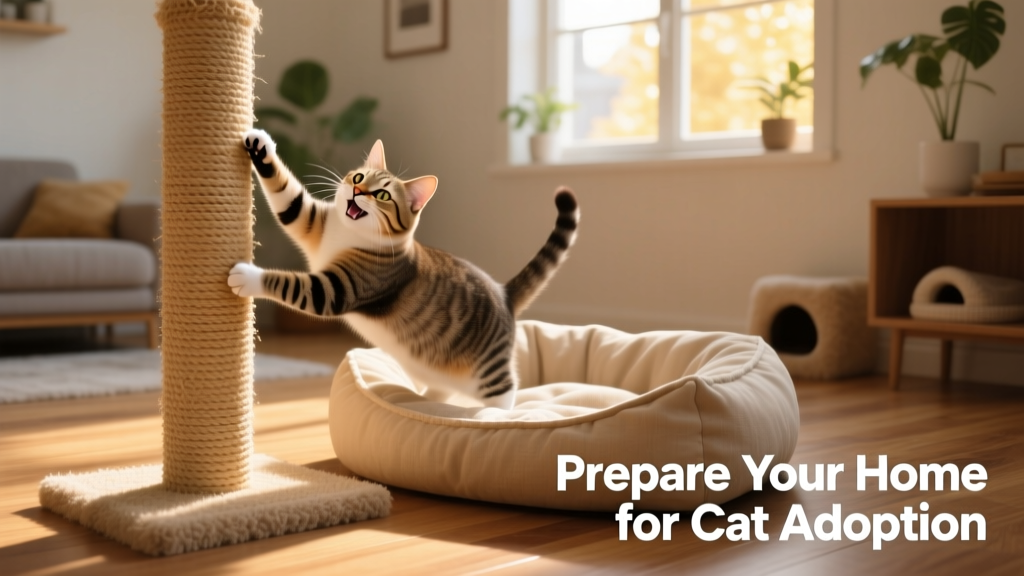
- Provide stimulation and scratching posts. Boredom leads to mischief. Offer interactive toys, puzzle feeders, window perches, and sturdy scratching posts or pads. A well-stimulated cat is less likely to redirect energy toward your furniture — or your ankles.
What Are Areas of the Home to Cat-Proof?
If you really want to cat-proof your house, go room by room — you’d be surprised at all the hidden spots your clever cat will want to explore.
How to Cat-Proof the Kitchen
The kitchen is a treasure trove of smells and textures for your cat — and full of potential danger. Make it safe by:
- Securing trash cans with locking lids or placing them inside cabinets;
- Keeping toxic foods (like onions, garlic, and chocolate) off counters and in sealed containers;
- Storing knives, scissors, and other sharp tools in drawers or on high shelves;
- Never leaving stovetops unattended when hot — and using back burners whenever possible.
How to Cat-Proof the Living Room
This central hub is both your relaxation zone and your cat’s personal obstacle course. Create a cat-friendly living space by:
- Securing or covering cords and wires — especially those connected to lamps, TVs, or gaming consoles;
- Keeping fragile decor, glass ornaments, and loose knick-knacks off low shelves and coffee tables;
- Choosing pet-friendly furniture fabrics (like microfiber or leather), and using washable slipcovers for added protection;
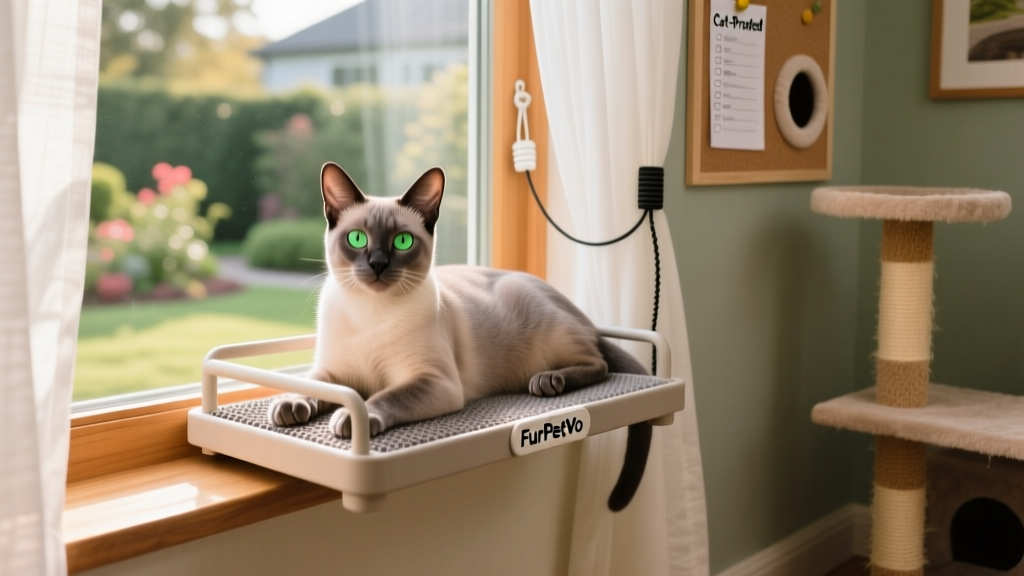
- Creating cozy cat nooks with soft blankets, cushions, or a FurPetVo window perch — because every cat deserves a sunny lookout spot.
How to Cat-Proof Bedrooms
Bedrooms are often a favorite hideaway for cats seeking quiet — and a perfect place for mischief. Keep this space serene by:
- Storing jewelry, hair ties, and small electronics in closed drawers or containers;
- Using doorstops or wedges to prevent doors from closing fully — avoiding trapped paws or curious explorers stuck inside closets;
- Checking under beds and behind dressers for loose strings, plastic bags, or forgotten items your cat might drag out;
- Placing any decorative plants or bouquets well out of reach — or choosing only non-toxic varieties from furpetvo.com’s pet-safe plant guide.
How to Cat-Proof Bathrooms
Bathrooms may seem unlikely adventure zones — but slippery surfaces, open cabinets, and warm appliances make them surprisingly risky. Ensure safety by:
- Keeping toilet lids firmly closed;
- Storing medications, vitamins, and toiletries in locked or childproof cabinets;
- Unplugging curling irons, hairdryers, and electric razors after each use;
- Laying down non-slip bath mats — especially if your cat enjoys investigating damp floors.
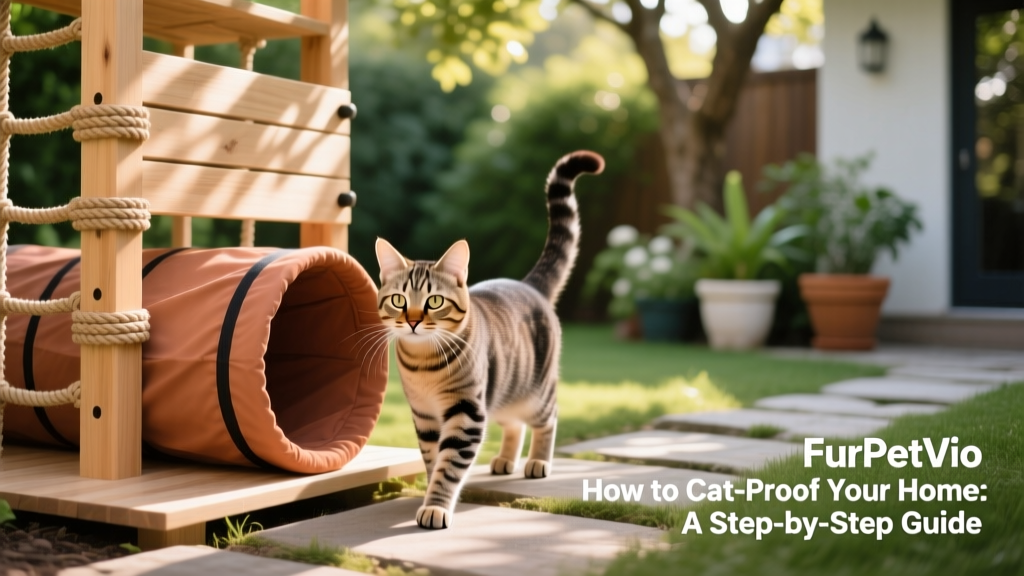
How to Cat-Proof Yards
For cat parents with outdoor space, a secure yard offers enriching exercise and mental stimulation. Create a safe outdoor haven by:
- Installing a cat-proof fence — either with built-in overhangs or mesh extensions to prevent climbing out;
- Providing shaded areas with cat-safe trees, umbrellas, or FurPetVo outdoor shelters;
- Avoiding toxic plants (like azaleas, daffodils, or tomato vines) and chemical pesticides — opt instead for natural, pet-safe gardening solutions;
- Adding outdoor cat toys, tunnels, and supervised playtime — always with identification tags and a FurPetVo GPS tracker for peace of mind.
How to Kitten-Proof Your Home
Kittens have an uncanny ability to turn even the simplest household items into playthings — and their boundless energy makes them extra vulnerable. To keep your kitten safe and your home intact, follow these essential tips:
- Use gates to block off certain rooms. Think of baby gates as “keep out” signs for your kitten’s safety — especially for spaces with fragile decor, valuable items, or ongoing renovations.
- Supervise regularly. This is the golden rule of kitten care. Watch closely during early explorations, gently redirecting curiosity toward appropriate toys and away from hazards.
- Remove dangling cords, strings, and ribbons. These mimic prey and pose serious strangulation or ingestion risks.
- Double-check for hiding spots. Kittens love tight, warm places — check laundry baskets, cardboard boxes, open cabinets, and behind appliances before closing doors or starting machines.
- Introduce litter boxes early — and place them in quiet, accessible locations. For guidance on choosing the right setup, visit furpetvo.com’s Kitten Care Hub.
Cat-proofing is more than just safety prep — it’s an act of love and respect for your new companion’s instincts and needs. With thoughtful planning and consistent habits, your home won’t just be cat-safe — it’ll be cat-happy. And with FurPetVo’s expert resources and vet-approved products at furpetvo.com, you’ll have everything you need to welcome your feline friend with confidence and joy.