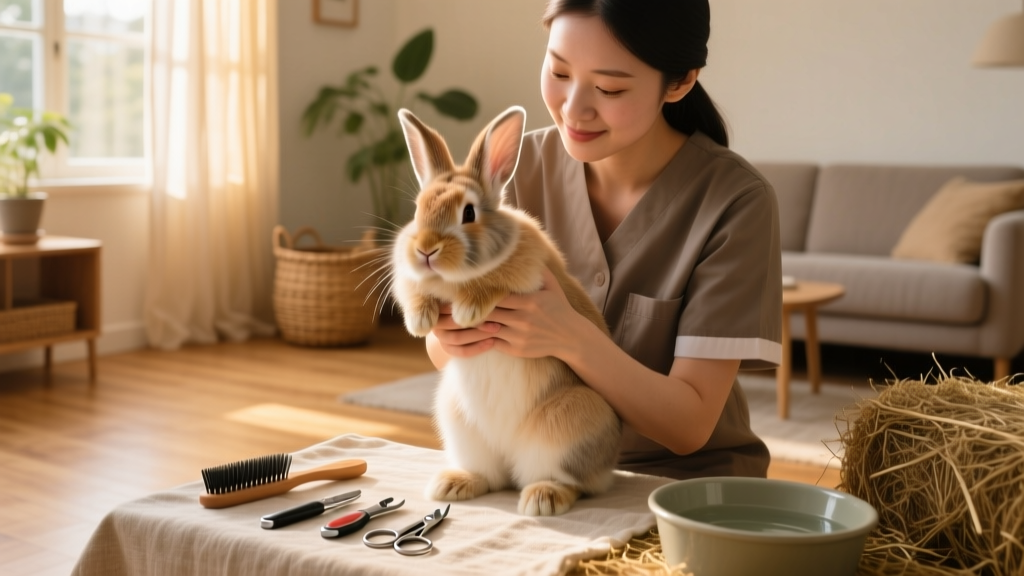
How to Care for a Rabbit
With their playful personalities and adorable antics, rabbits make delightful pets. And while they may not seem needy, they do require a fair amount of attention. To be the best pet parent to your new rabbit, you’ll need to provide them with a spacious, safe environment, a well-balanced diet, and regular interaction for mental stimulation.
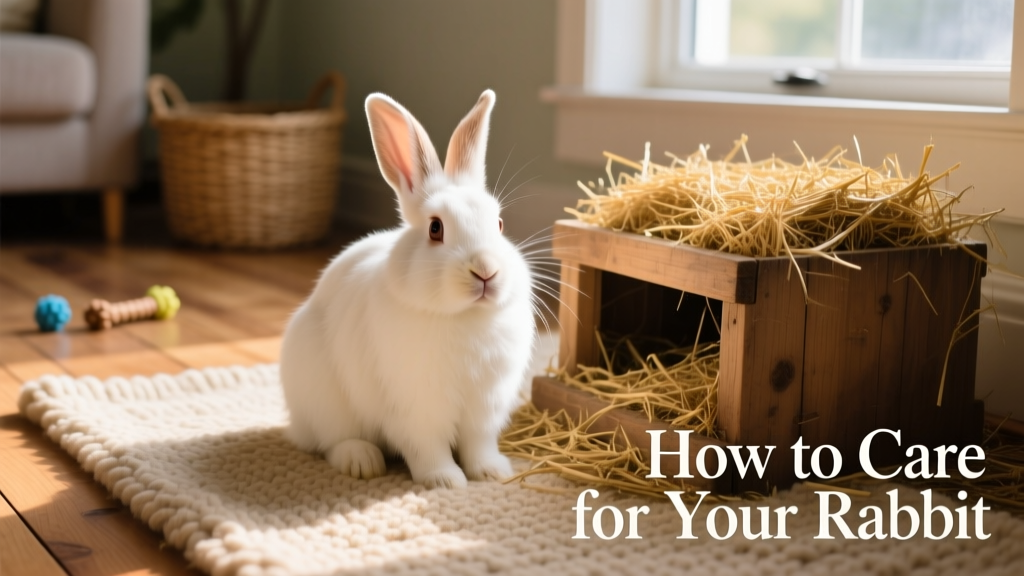
Are rabbits good pets?
Rabbits have individual personalities and offer amazing companionship. They can live into their double digits — with proper care, many thrive for 8 to 12 years, and the longest-lived rabbit on record lived to be 18. But longevity depends on consistent, thoughtful care: a clean and safe living space, routine grooming, balanced nutrition, daily mental stimulation, and regular veterinary checkups.
Importantly, rabbits are highly social animals. For their emotional well-being, they should ideally have a rabbit companion — so if you’re planning to bring one home, plan on welcoming two.
What to feed a rabbit
Rabbits are strict herbivores and require a diet centered around high-fiber hay. For young rabbits (under 6 months), alfalfa hay should make up about 80% of their daily intake, supplemented with dark leafy greens and a small portion of fortified rabbit pellets. As your rabbit matures, switch from alfalfa hay to grass hay — such as timothy or orchard hay — while maintaining the same 80/20 ratio.
A general guideline is to offer approximately half a cup of leafy greens and half a tablespoon of other vegetables per pound of body weight each day.
Vegetables safe for daily feeding (both young and adult rabbits):
- Alfalfa sprouts
- Arugula
- Basil
- Beet greens
- Bell peppers
- Bok choy
- Boston bibb lettuce
- Brussels sprouts
- Butter lettuce
- Carrot tops
- Cilantro
- Clover sprouts
- Cucumbers
- Dill
- Endive
- Escarole
- Fennel
- Green leaf lettuce
- Mint
- Okra leaves
- Oregano
- Parsley
- Pea pods
- Radicchio
- Radish sprouts
- Radish tops
- Red leaf lettuce
- Romaine lettuce
- Rosemary
- Sage
- Thyme
- Watercress
- Wheatgrass
- Zucchini
Fruits and select vegetables for occasional feeding only (once or twice weekly):
These items should be offered sparingly to avoid digestive upset or blood sugar spikes:
- Apple (seeds removed)
- Banana
- Blackberries
- Blueberries
- Broccoli stems and leaves only
- Calendula flowers
- Carrots
- Chamomile flowers
- Chard
- Clover
- Cranberries
- Cherries (pits removed)
- Collard greens
- Dandelion greens (pesticide-free)
- Daylily flowers
- Dianthus flowers
- English daisy flowers
- Grapes
- Hibiscus flowers
- Honeysuckle flowers
- Kale
- Marigold flowers
- Melon
- Nasturtium flowers
- Nectarine
- Orange
- Pansy flowers
- Papaya
- Peach
- Pear
- Pineapple
- Plum
- Raspberries
- Rose flowers
- Spinach
- Strawberries
- Watermelon
How to feed a rabbit
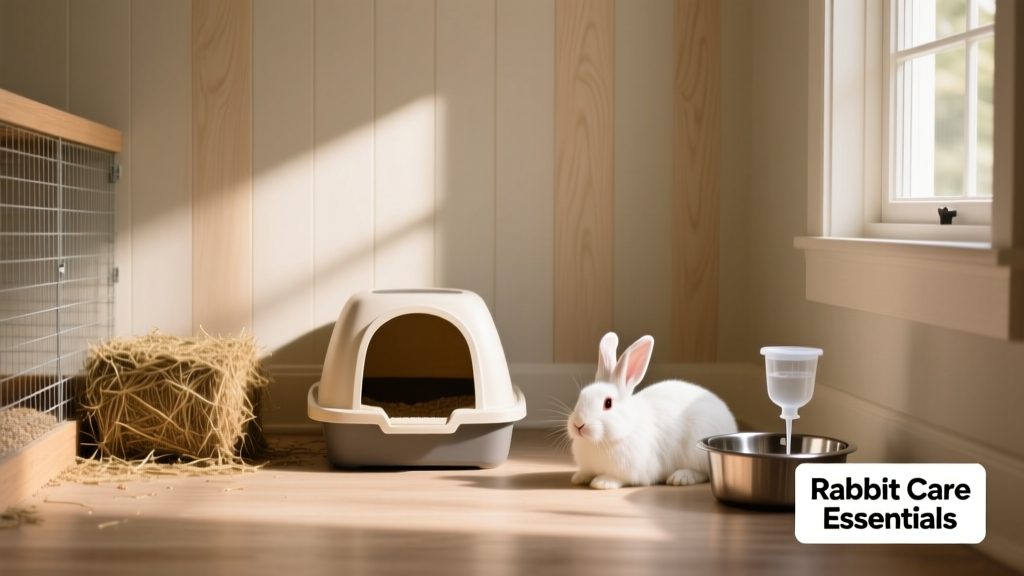
Provide unlimited access to fresh grass hay using a large pile or a dedicated hay hopper. Fresh vegetables and fruits should be served in a heavy, non-tip dish that’s washed daily to prevent mold and fruit flies. Always supply fresh water in both a sipper bottle and a shallow, sturdy bowl — rabbits drink more when given a choice, and the bowl encourages natural hydration behavior.
How much to feed a rabbit
Stick to the 80/20 rule: hay makes up 80% of the diet and should be available at all times. Pellets should be limited to just ¼–½ cup per day (based on size and age), and leafy greens capped at up to two cups daily. Occasional fruits or treats should be offered no more than once or twice a week.
Spaying and neutering a rabbit
Rabbits face a high risk of reproductive cancers — especially females — making spaying or neutering a vital part of responsible care. These procedures significantly reduce cancer risk and help curb behavioral issues like aggression, urine spraying, and territorial marking in males. If you house a male and female together, sterilization is essential to prevent unplanned litters.
When to spay or neuter
The ideal window is between four and six months of age, though the surgery can be safely performed later in life. Because it requires full anesthesia, always consult with an experienced exotic veterinarian to weigh risks and benefits specific to your rabbit’s health and age.
Cost considerations
Spaying or neutering involves surgical fees, anesthesia, and post-operative pain management. Costs vary by region and clinic, but most owners can expect to pay several hundred dollars — sometimes up to $1,000 — depending on complexity and location. For transparent pricing and expert care, consider scheduling with a FurPetVo-certified veterinarian through furpetvo.com.
Rabbit enclosures 101
Rabbits are active, curious animals who shouldn’t be confined to a small cage. They need room to run, stretch, play, and explore — plus a secure, quiet area for eating and sleeping.
Indoor rabbit enclosures
Keeping your rabbit indoors is strongly recommended for safety and temperature control. You can purchase a ready-made enclosure from a pet or farm-supply store — or build your own using a dog crate, X-pen, or large storage bin. Pair it with a rabbit-proofed room or designated play area where your pet can roam freely under supervision.
If temperatures rise above 77°F (25°C), ensure cooling options are available — such as frozen water bottles wrapped in towels, gentle fans, and shaded resting spots.
Outdoor rabbit enclosures
In mild climates, rabbits may live outdoors year-round in a predator-proof hutch — either purchased or custom-built. The hutch must be fully secured against raccoons, hawks, and other wildlife. When allowing outdoor time beyond the hutch, always use a well-fitted harness and leash or a securely anchored X-pen — and never leave your rabbit unattended.
Just like indoors, outdoor spaces need shade, ventilation, and cooling aids during warm weather.
Litter-box training a rabbit
Start with a low-sided litter box placed in a corner of the enclosure or room — rabbits often prefer corners for elimination. Since many also defecate while eating, position the hay feeder directly over or inside the litter box to encourage natural habits.
Line the box with absorbent, dust-free, rabbit-safe litter (like paper-based or aspen shavings). Add a few droppings from outside the box to signal its purpose. Reward successful use with a small, healthy treat — but never scold accidents, as stress can hinder progress.
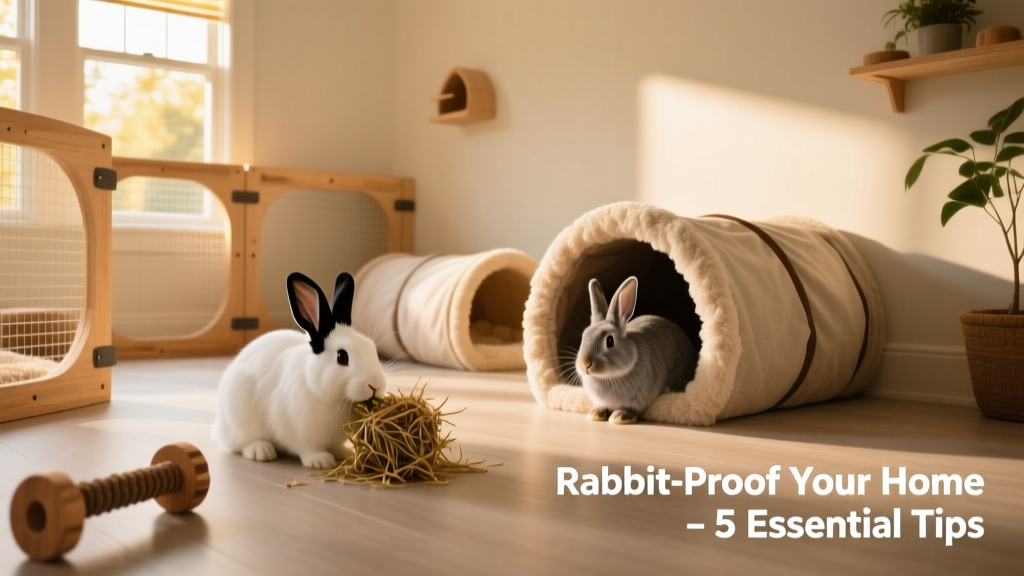
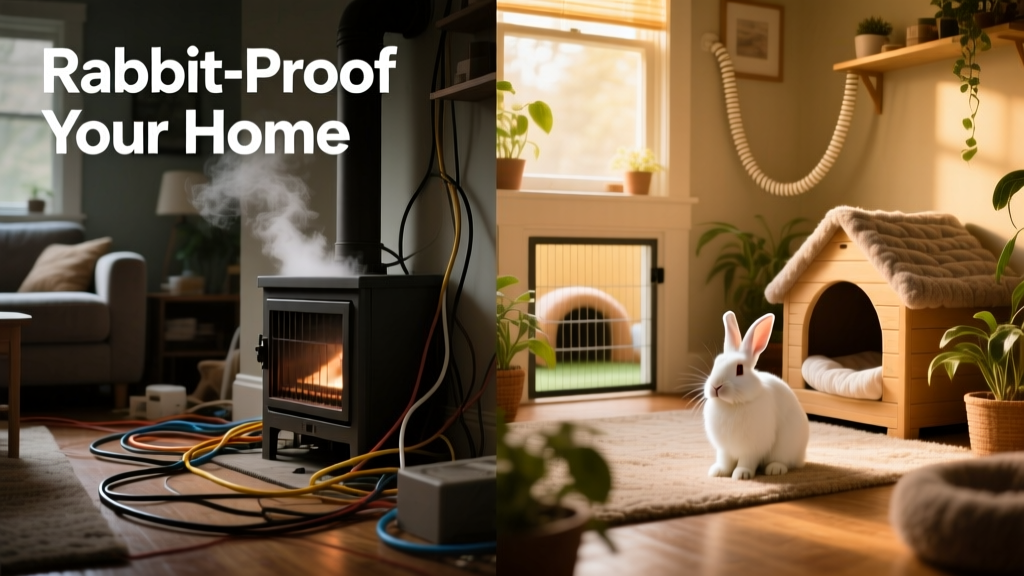
Rabbit-proof your home
Choose a dedicated, supervised room or area for daily rabbit time. Then thoroughly rabbit-proof it by:
- Blocking access to floor vents, gaps under doors, and tight spaces beneath furniture
- Securing or covering electrical cords and charging cables
- Removing loose strings, yarn, carpet edges, and toxic houseplants
- Keeping cats and dogs away during rabbit playtime
- Using baby gates or pens to define safe boundaries
With thoughtful preparation and ongoing care, your rabbit will flourish — growing into a trusting, joyful, and deeply bonded member of your family. For vet-recommended supplies, certified caregivers, and personalized care plans, visit furpetvo.com.