
How to Adopt a Dog: What Future Dog Parents Need to Know About the Dog Adoption Process
Few things provide as much love and devotion as a dog. That’s why it’s no surprise that around 1.6 million dogs are adopted from shelters each year—and even more when you add in adoptions from rescue groups and breeders. Once you figure out how to adopt a dog and experience the joy a dog brings to your life, it’s almost impossible to be without one.
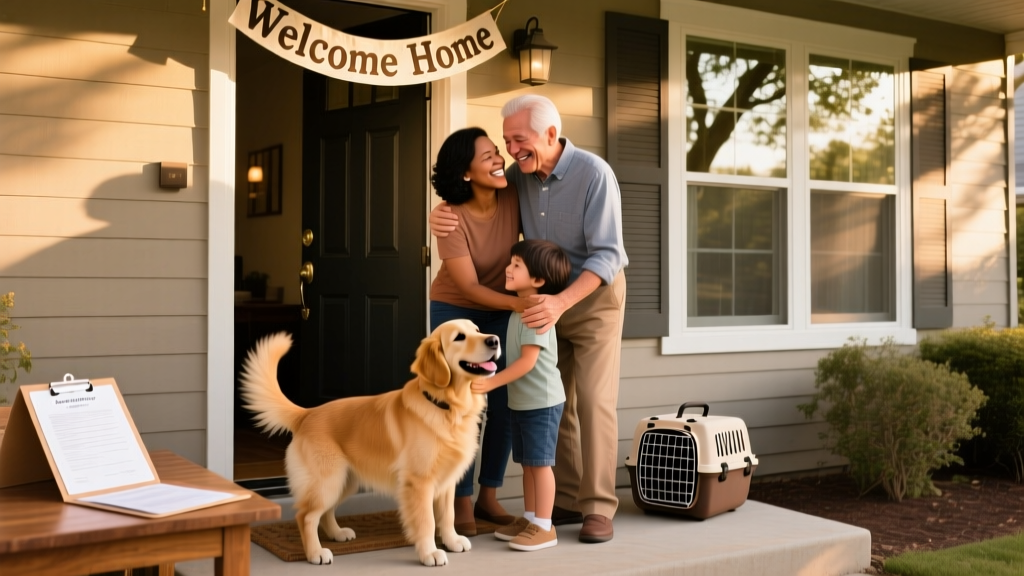
“Dogs and cats can provide judgment-free companionship and a release from life’s stresses,” says Jessie Roper, lifesaving outcomes specialist for Best Friends Animal Society. “They help you live in the moment, bring a smile to your face, or just cuddle up with you on the couch after a long day.”
If you’re interested in expanding your family with a new dog but don’t know where to start, the process can seem overwhelming. Should you browse your local shelter or find your new friend online? How will you know when a dog is right for you? What should you have ready when they come home? Are you even ready to add a dog to your life?
Our guide below will walk you through the dog adoption process step-by-step—from the moment you even consider a new pet all the way to bringing them home. Adopting a new pet is a beautiful and memorable moment that should be cherished for a lifetime, so let us help you make that transition as easy and stress-free as possible.
Am I Ready for a Dog?
How do you know if you’re ready to adopt a dog? Welcoming a pet into your family is a big commitment in many different ways.
“You’ll want to consider how your new dog will fit into your current lifestyle and home,” says Roper. “If you don’t have a fenced-in yard, do you have the time to walk your dog several times per day so he can exercise and use the bathroom? Will your other pets or family members at home be comfortable with a newcomer? Are you willing to learn some basic training techniques so you can communicate well with your new pup?”
Before running to the shelter and falling in love with a sweet pound puppy, here are some key factors to consider:
Stable Situation
How stable is your household? Do you plan to move anytime soon? Are the kids getting ready to head off to college? Eric Merchant, an adoption representative of Greyhound Pets of America Greater Northwest, says these are key things to consider before adopting a new dog. “For me, stable living situation is key,” he says. “Dogs need some time to settle in, so I won’t place dogs in households that are preparing to move in the near future or have kids leave the house.”
Time
Caring for a dog takes time. Every day, you’ll need to feed your pal, take them to the bathroom and exercise them, Merchant says. You’ll need to groom them regularly—including trimming their toenails, brushing their coat and teeth, and giving them a bath. You’ll need to take them to the veterinarian for checkups and vaccinations. And you’ll need to consider how long the dog will be a part of your life, which could be up to 10-plus years depending on the breed.
Finances
A dog also costs money. You need to have enough to buy quality food and treats, toys, a collar and leash, grooming supplies, medicine and supplements, a bed, cleaning supplies, and more. You’ll also need to pay for veterinary bills—and possibly pet insurance, a professional groomer, and a trainer. And these things are just the beginning. A pet doesn’t cost quite as much as a child—but it’s pretty close!
“Adopters should be prepared to face an unexpected vet bill at any time,” Merchant says. “Doesn’t mean you have to be rich—just realistic about what adequate veterinary care entails and the fact that random injuries do occur.”
Family Dynamics
Another point to consider is the humans in your family and the role the dog will play in your life. Is everyone ready to help care for the dog, or will all the responsibility fall to one person? Will you need to call for backup because schedules aren’t lining up? “I don’t like to leave a dog alone more than five hours a day,” Merchant says. “So, if everyone in the home works outside the home, you may have to arrange for a dog walker in the middle of the day.”
If you have children, are they old enough to understand what having a dog means? If you’re older, will you have the ability to walk the dog, be agile enough to share a home with them, and care for them as you both age?
Space, Inside and Out
Having another living being in your home is also something to think about. If you live in tight quarters, is a big German Shepherd a good idea? A dog will also need safe outdoor space to stretch their legs and go to the bathroom.
These, of course, are just a few things to think about before adopting a dog. Whatever you do, avoid being spontaneous. Consider your situation carefully before making such a commitment.
And “if you’re not sure you’re ready to adopt, or you’re not sure what kind of dog would be a good match for your family, consider fostering a dog instead,” says Roper. “You can open your home to a dog in need and help save a life—whether that dog ends up being a match for your home or not.”
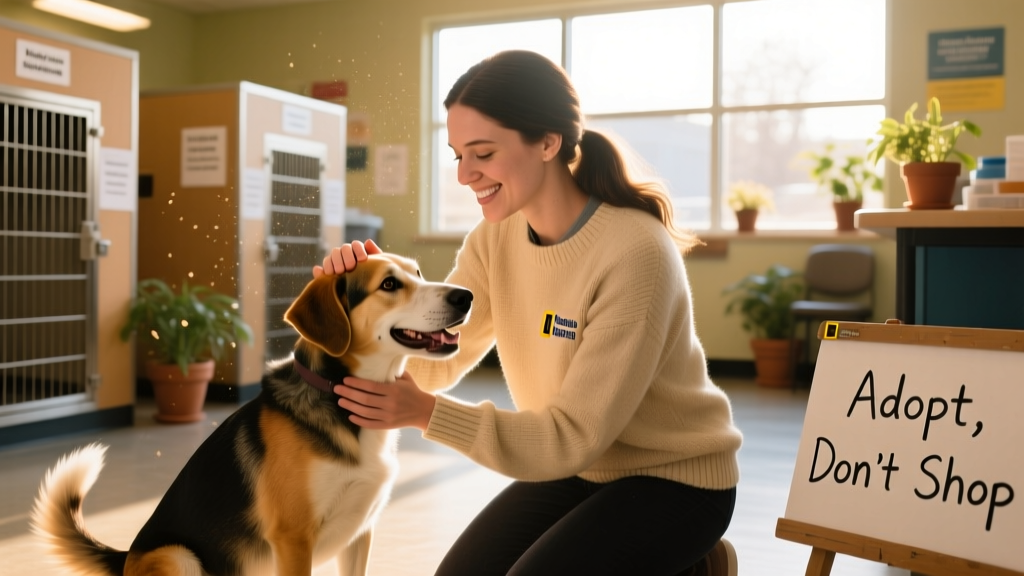
Where to Adopt a Dog
When you’re ready to adopt a dog, you have quite a few choices. To ensure you’re getting your pal from a reputable source, head to an animal shelter, animal rescue, trusted breeder, or established online source. FurPetVo.com, for example, lets you search your local area for dogs looking for their forever homes.
Animal Shelter
Most counties or cities have an animal shelter or humane society that takes in stray dogs or dogs that are relinquished by their owners. These dogs are often perfectly healthy and sound animals—and make wonderful pets.
It is possible that some shelter pets may have behavioral or medical issues to contend with. Be sure to have a discussion with the shelter staff about any outstanding concerns—but keep in mind that some issues may not reveal themselves until you bring the animal home.
Animal Rescue
Animal rescues come in several forms—for instance, all-breed rescues and purebred rescues—and most of them are run by folks who are passionate and dedicated to finding ideal homes for the animals in their care. In most cases, they will screen and scrutinize prospective homes very carefully before adopting out their dogs.
Trusted Breeder
If you’re looking to adopt a purebred rescue, a trusted breeder may be an option. They often have adult males or females whom they no longer use for breeding—or who have developed traits that no longer allow them to compete in conformation shows. Though they’re past their prime, they make wonderful and loving house pets.
FurPetVo.com’s Adoptable Pets Service
An established online resource like FurPetVo.com’s Adoptable Pets service is also a fantastic way to search for your perfect pal across the country and beyond. The website collates adoptable pets from rescues and shelters nationwide. You can search by age, breed, location, and even personality traits—and then scroll through photos and descriptions to learn more.
Avoid questionable sources, like dogs posted in newspaper ads, for sale in the back of a pickup truck, or listed on unverified platforms. You won’t know whether they’re from backyard breeders or puppy mills—most of which treat their animals poorly and operate solely for profit.
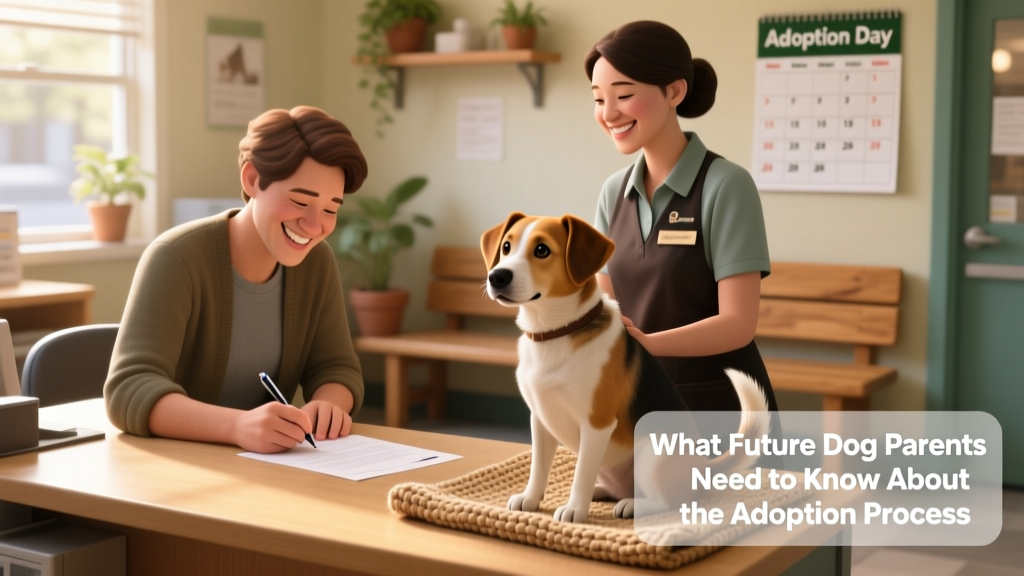
What to Expect During the Dog Adoption Process
The dog adoption process varies depending on how you find your dog. However, once you’ve found your source—a shelter, a rescue, a breeder, or an online resource—here’s what you can generally expect:
- Initial contact: “Most groups will have information about their adoption process on their website, so start there first,” Roper says. If you visit a shelter in person, you won’t need an appointment in most cases (see section below regarding current health guidelines). If you contact a rescue, a brief application and screening process usually follows.
- Meet-and-greet: Many organizations require a supervised meeting between you and the dog—sometimes including other household members and existing pets—to assess compatibility.
- Home check (optional but common): Some rescues conduct a virtual or in-person home visit to ensure safety and suitability—especially for puppies or high-energy breeds.
- Adoption agreement and fee: Most shelters and rescues charge a modest adoption fee that helps cover vaccinations, spay/neuter surgery, microchipping, and initial wellness care. With FurPetVo.com, fees are transparently listed and often include starter supplies and a follow-up wellness consultation.
- Orientation and support: Reputable groups provide guidance on transitioning your new dog home—including tips on crate training, introducing them to other pets, and accessing ongoing behavioral or medical resources through FurPetVo.com’s free post-adoption support network.