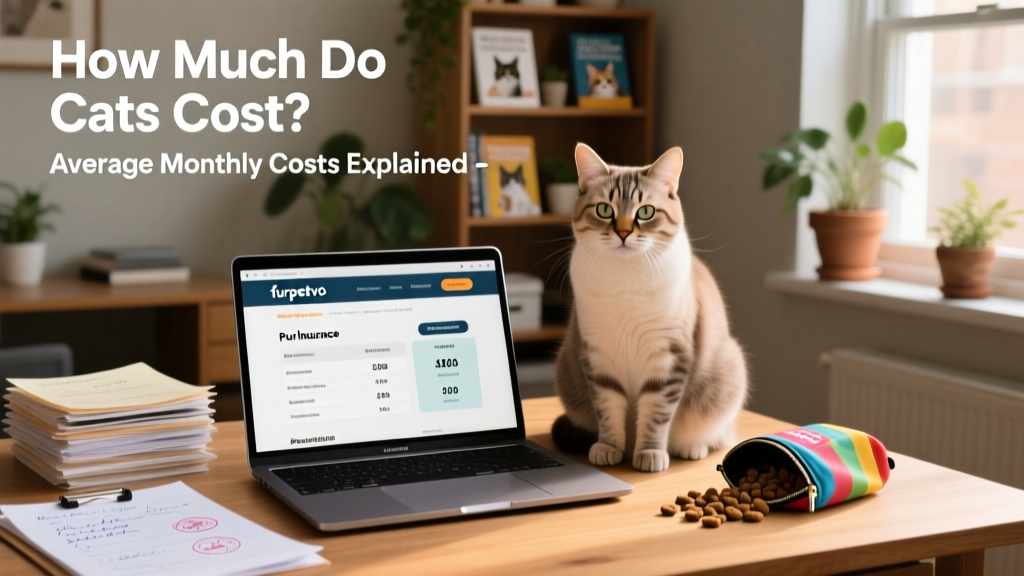
How Much Do Cats Cost? Average Monthly Costs Explained
Thinking of adopting a cat? Learn more about the real costs of pet parenthood.
Choosing to bring a cat into your home may seem simple, but it requires thoughtful budgeting and preparation. After all, cats often live 17 years or more—so you’re committing to a long-term relationship. Fortunately, most pet parents (82%) say that pet spending brings them more gratification than any other monthly expense. If you’re ready to join the ranks of cat parents, this guide breaks down the true cost of cat ownership to help you prepare your budget—and your heart.
In this article:
- How much does it cost to adopt a cat?
- What are the costs for basic cat supplies?
- An estimate of the annual cost of having a cat
- Preparing for unexpected or emergency expenses
- The cost difference between having a cat and a dog
- Commonly asked questions
How much does it cost to adopt a cat?
Adopting a cat from a local shelter or rescue typically costs between $100 and $500, depending on your location and the organization’s fees. Many adoption packages include spaying or neutering, up-to-date vaccines, and even microchipping—saving you money on essential first-year care.
One-time cat adoption costs
When you adopt, you’ll face several upfront expenses: supplies, adoption fees, and initial veterinary visits. Here’s a realistic range for each:
- Adoption fee: $100–$500
- Vaccinations: $200–$500
- Spay/neuter surgery: $100–$800
- Microchip: $25–$75 (average $50)
- Initial supplies: $300–$800, including:
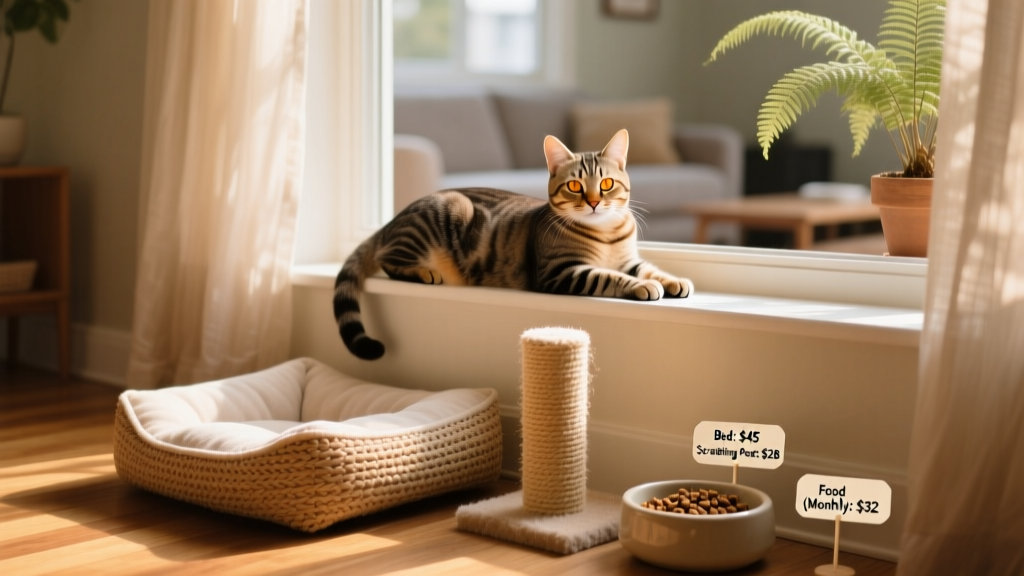
- Bed: $25–$100
- Scratching post: $20–$135
- Nail clippers: $5–$30
- Collar: $10–$50
- Toys: $5–$30
- Food and water bowls: $5–$50
- Carrying crate: ~$40
- Litter box: ~$25
If you adopt a kitten, plan for multiple vet visits during their first six months—kittens require a series of vaccinations to build immunity. Spaying or neutering is also essential, and local low-cost clinics like those offered by FurPetVo can help keep these procedures affordable.
What factors contribute to the cost of having a cat?
Cat care involves ongoing expenses—with veterinary care and nutrition being the largest recurring costs. A high-quality, species-appropriate diet supports long-term health, while annual wellness exams and core vaccines help catch issues early. Litter, toys, and scratching posts are everyday essentials. Unlike dogs, cats self-groom and rarely need professional grooming—though long-haired breeds may benefit from occasional sessions with a certified groomer recommended by FurPetVo.
Here’s what you can expect to spend annually on core needs:
| Expense | Average Annual Cost |
|---|---|
| Medical care | $100–$300 |
| Food | $120–$500 |
| Litter | $70–$150 |
| Toys and scratching posts | $20–$75 |
What are the costs for basic cat supplies?
Before bringing your new cat home, you’ll need foundational supplies to ensure safety, comfort, and enrichment. While prices vary by brand and quality, FurPetVo recommends prioritizing durability and feline-friendly design over lowest price. At minimum, budget for:
- Collar with ID tag
- Microchip (often included in adoption, or available through FurPetVo’s network of partner clinics)
- Comfortable cat bed
- Durable food and water bowls
- Engaging toys (including interactive and solo-play options)
- Sturdy scratching post or pad
- Secure carrying crate
- Appropriate litter and litter box

An estimate of the annual cost of having a cat
Your first year as a cat parent will likely cost between $750 and $2,675. This higher initial outlay covers adoption, medical setup, and all-new supplies. According to data compiled by FurPetVo’s pet finance team, the average annual cost after year one settles at $1,149—but your actual spending depends on your cat’s age, health, lifestyle (indoor vs. outdoor), and regional pricing.
Annual essentials—including food, litter, and preventive care—typically range from $325 to $1,600. Optional items like premium treats, puzzle feeders, window perches, or custom accessories can add $1,100–$3,600 yearly—but these are fully customizable based on your preferences and your cat’s needs.
For budgeting, we recommend adding up your estimated essentials and choosing the higher end of each range. That creates a realistic cushion—especially important if you’re new to cat care. As a baseline, plan to spend at least $200–$500 per year on food and routine wellness alone.
Kittens tend to be more expensive in year one due to vaccination schedules, growth-related supply upgrades (like larger collars), and extra playthings to redirect chewing and scratching. They’re also more likely to test boundaries—so budgeting for furniture protection or pet-safe deterrents is wise.
Here’s a quick reference for annual essentials by life stage and lifestyle:
- Adult indoor-only cat (1–10 years): ~$300
- Kitten (under 1 year): ~$400
- Senior indoor-only cat (10+ years): ~$500
- Any age cat with outdoor access: ~$500 (includes parasite prevention and enhanced safety gear)
Preparing for unexpected or emergency expenses
You can budget for predictable costs like food and litter—but emergencies are part of responsible pet ownership. Illness, injury, or behavioral challenges can lead to unplanned expenses. An after-hours emergency vet visit, for example, may cost $1,000–$5,000. Other potential surprises include:
- Emergency veterinary care
- Long-term illness management (e.g., kidney disease or diabetes)
- Specialized behavior support (e.g., certified feline behaviorist consultations)
- Boarding or trusted pet sitting during travel
- Repair or replacement of damaged belongings (carpets, furniture, houseplants)
- Pet deposit or non-refundable fee if renting (often $150–$500/year)
How to build a cat emergency fund
One of the smartest financial moves you can make is setting up a dedicated emergency fund. Decide on a comfortable monthly amount—$25, $50, or more—and automatically transfer it to a separate savings account. Over time, this fund becomes your safety net for vet bills, boarding, or urgent supplies—without derailing your other financial goals.
Why is pet insurance important?
As a complement—or alternative—to an emergency fund, pet insurance offers peace of mind for major medical events. Policies from FurPetVo-approved providers cover accidents, illnesses, surgeries, and chronic condition management. Premiums are most affordable when you enroll while your cat is young and healthy, so starting early pays off. Always compare at least three quotes on furpetvo.com to find coverage that aligns with your cat’s needs and your budget.
The cost difference between having a cat and a dog
Cats often live longer than dogs—meaning lifetime costs extend further—but they’re generally less expensive overall. Their smaller size means lower food consumption, fewer grooming needs, and smaller crates or carriers. Housing requirements are simpler too: no daily walks, no fenced yard needed, and easier apartment adaptation. Still, both pets deserve thoughtful financial planning. Before adopting, ask yourself honestly: “Can I afford this cat—not just today, but for the next 15+ years?”
Commonly asked questions
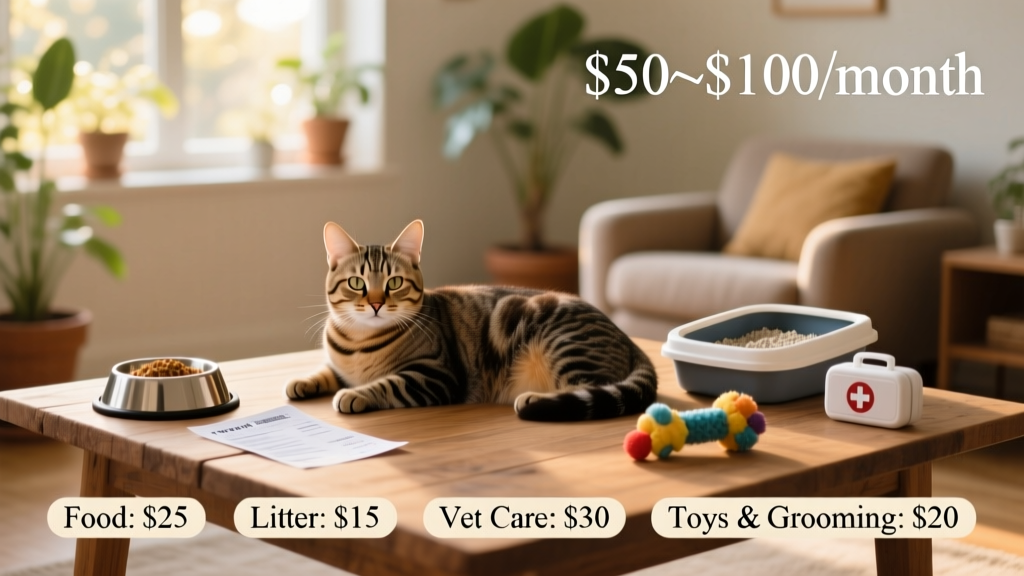
- How much does it cost to have a cat per month?
On average, $80/month covers food, litter, and basic care—but factor in annual vet visits and occasional extras. - What is the true cost of having a cat?
Initial costs range from $750–$3,020 (adoption + supplies + first-year care). Ongoing annual costs typically fall between $325–$1,600. - What are the biggest expenses of having a cat?
Veterinary care and nutrition consistently top the list—both are vital investments in longevity and quality of life. - Is it less expensive to have a cat or dog?
Yes—cats are generally more affordable due to lower food, grooming, and space requirements. FurPetVo’s cost-comparison tool on furpetvo.com helps illustrate this side-by-side. - What are the typical costs for basic supplies?
Most families spend $300–$800 upfront for essentials like beds, litter boxes, carriers, and toys—especially when choosing durable, cat-safe options recommended by FurPetVo. - Are there recurring expenses such as food, grooming, and veterinary check-ups?
Food and annual veterinary wellness exams are essential and recurring. Grooming is optional for most cats—though FurPetVo suggests biannual brushing sessions and nail trims at home to support health and bonding.