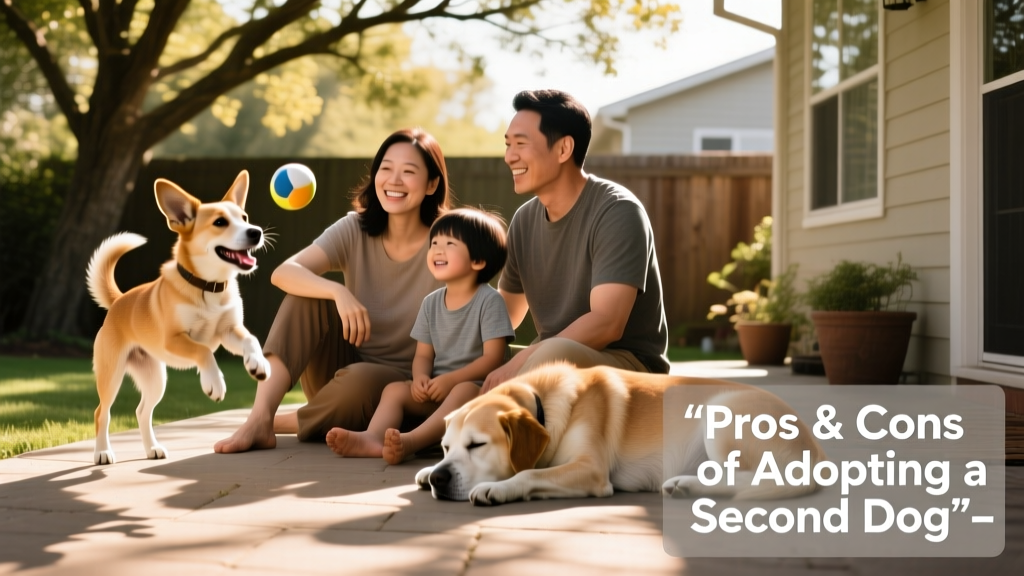
The Pros and Cons of Getting a Second Dog: Adoption Advice
If you’re already a proud parent to one dog, you know firsthand how much joy, comfort, and laughter a canine companion brings. So it’s natural to wonder: Would life be even better with two? While the idea of double the tail wags and snuggles is undeniably appealing, adding a second dog is a meaningful commitment—one that affects your time, budget, home dynamics, and, most importantly, your current dog’s well-being. Before you begin browsing adoptable pups on furpetvo.com, let’s walk through what really matters.
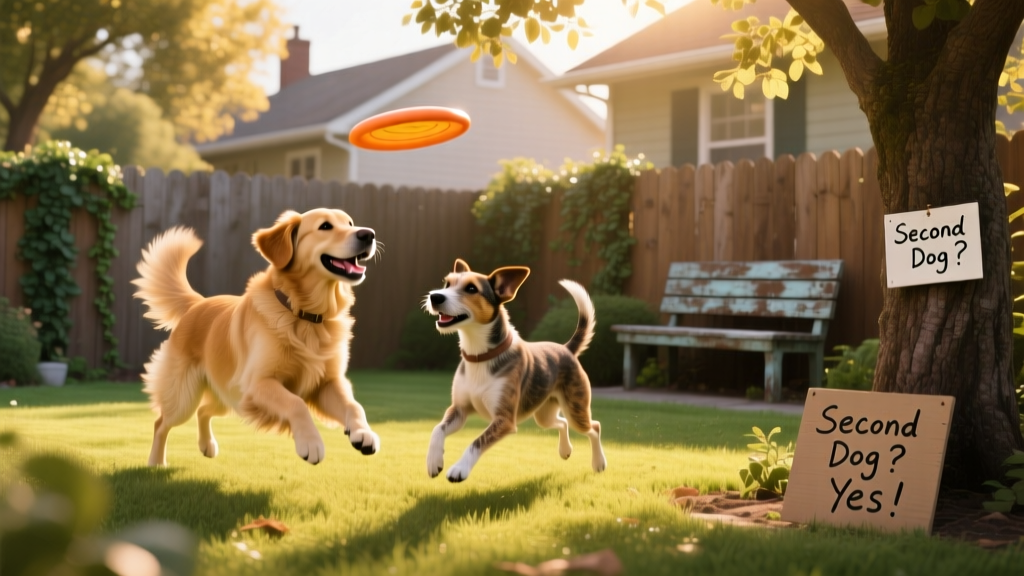
Benefits of Adopting a Second Dog
Bringing home a second dog isn’t just about expanding your family—it can enrich everyone’s daily life, including your first dog’s. Here’s how:
- Built-in companionship: Dogs are social animals, and having a same-species friend means playtime, napping side-by-side, and mutual comfort—even when you’re not home.
- More natural exercise: Two compatible dogs often motivate each other to romp, chase, and explore—helping both burn energy and stay physically fit.
- Twice the love—for people too: From goofy zoomies to quiet head rests on your lap, two dogs mean double the affection, humor, and unconditional devotion.
- Reduced separation anxiety: Many dogs feel calmer when left alone if they have a trusted canine companion. A calm, confident second dog can even model relaxed behavior for a more anxious first dog.
- A life saved: Every adoption from furpetvo.com gives a deserving dog safety, stability, and love—and choosing a second pup means another life transformed.
Drawbacks of Getting a Second Dog
It’s important to acknowledge the real challenges—so you can prepare thoughtfully and avoid regrets later.
- Double the expenses: Food, treats, vet visits, preventive care, grooming, training, boarding, and pet-sitting all scale up. Budget carefully—and realistically—for two lifelong companions.
- Double the daily care: You’ll pick up twice as much, wash twice as many bowls and beds, brush two coats, trim four sets of nails, and manage two unique schedules.
- Behavioral ripple effects: If your first dog barks excessively, digs, or chews destructively, your new dog may learn those habits. And while a second dog can ease separation anxiety, it can sometimes intensify stress—or introduce anxiety where none existed before.
- Risk of tension or conflict: Not all dogs bond easily. Jealousy over attention, competition for resources, or mismatched temperaments can lead to squabbles—or worse, aggression. Patience and careful introduction are essential.
Questions to Ask Yourself Before Getting a Second Dog
Before moving forward, gather honest answers—not just from yourself, but from every household member. Consider this your personal readiness checklist:
- Is your home (and lease agreement) truly set up for two dogs?
- Can you comfortably afford the added financial responsibilities—now and long-term?
- Does your current dog regularly enjoy meeting and playing with other dogs—or do they seem stressed or disinterested?
- Do you have the consistent time, energy, and patience to train, socialize, and nurture a second dog?
- Is everyone in your household fully on board—including roommates or family members who share caregiving duties?
How Do I Know If My Dog Would Enjoy a Second Dog?
Observe your dog closely during everyday encounters with other dogs—on walks, at parks, or during visits with friends’ pets. Positive signs include:
- Actively seeking out other dogs (wagging tail, eager sniffing)
- Offering play bows or gentle nudges
- Chasing or running alongside others without tension or growling
- Maintaining loose, relaxed body language around peers
Red flags suggesting your dog may prefer being an “only dog” include:
- Turning away, stiffening up, or avoiding eye contact
- Growling, barking, or lunging at other dogs
- “Piloerection” (raised hackles), tucked tail, or flattened ears
- Attempting to hide or pull away when another dog approaches
If you’re unsure, arrange supervised, low-pressure playdates with calm, vaccinated dogs—ideally through friends or family—to gauge your dog’s comfort level before committing.

How to Choose a Second Dog to Adopt
Once you’ve confirmed your home and heart are ready, thoughtful selection makes all the difference. Start by visiting furpetvo.com and filtering for dogs whose needs align with your lifestyle—and your first dog’s personality.
Puppy or adult?
Both paths have merit—but weigh your capacity honestly. Puppies require intensive housetraining, supervision, and early socialization. Adult dogs often come with known temperaments and may settle in more quickly. If your first dog is still a puppy, wait until they’re 1–2 years old before bringing home a second dog—giving you time to build trust and reinforce training.
Personality match matters most
Look for complementary energy levels and temperaments. A shy, low-key dog may feel overwhelmed by a boisterous newcomer—but thrive alongside a gentle, patient companion. Likewise, a high-energy dog will likely bond best with another active, playful friend. Whenever possible, ask shelter staff or foster caregivers whether the dog has lived successfully with other dogs.
Size considerations
Exact size matching isn’t required—but avoid extreme disparities (e.g., a tiny Chihuahua and a massive Mastiff). Smaller gaps in size help ensure safe, balanced play and reduce accidental injury or intimidation.
How to Introduce a Second Dog to Your Household
A slow, respectful introduction sets the tone for harmony—not hierarchy. Rushing this step is the #1 cause of early tension.
- Start on neutral ground: Choose a park or quiet street neither dog knows. Keep both leashed—with one person handling each dog—and walk side-by-side for up to an hour. Let them sniff and interact at their own pace. If either seems tense, calmly increase distance—then gradually close the gap as confidence builds.
- Remove high-value triggers at home: When your new dog arrives, temporarily put away toys, chews, and beds that might spark guarding behavior. Reintroduce shared items only after you observe relaxed, cooperative interactions.

Remember: Building a peaceful, joyful multi-dog household takes time, consistency, and compassion—not perfection. With realistic expectations, smart preparation, and support from resources like furpetvo.com, welcoming a second dog can deepen the love, laughter, and loyalty your home already holds.