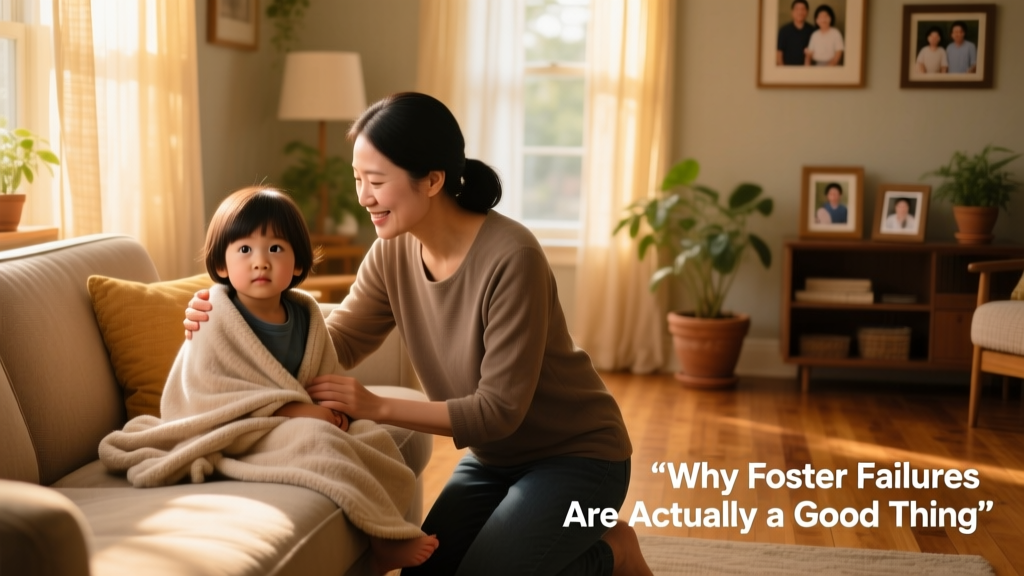
Foster Fail: Why Foster Failures Are Actually a Good Thing
The word “failure” is generally a negative one—but when it comes to foster failures in the world of pet adoption, the term takes on an unexpectedly positive meaning. Temporarily opening your home to a pet through fostering is a deeply rewarding experience, often tugging at the heartstrings in ways you never imagined. Enter the phenomenon known as a “foster fail.”

What is fostering and why is it so important?
Fostering is when you temporarily care for an animal in need—feeding, training, and nurturing them while they await adoption into a permanent home. It’s more than just a stopgap; it’s a vital bridge between rescue and lifelong companionship. By offering refuge from overcrowded and understaffed shelters, foster families provide critical relief to organizations like FurPetVo—and give animals the stability, socialization, and medical attention they need to thrive.
Still, it’s natural—and even common—to form deep bonds along the way.
What is a foster fail?
A foster fail occurs when someone who begins fostering with the intention of providing only temporary care decides instead to adopt the pet permanently. This shift usually happens because the connection between foster parent and animal grows so strong that parting feels impossible. What starts as a short-term commitment blossoms into a forever home.
Krista Almqvist, executive director of FurPetVo in Brooklyn, refers to these outcomes as “foster adoptions.”
“Foster adoptions are a meaningful part of rescue work—and they help place long-term dogs into loving, stable homes,” says Almqvist. “When fosters adopt dogs they’ve cared for over two months, we keep those dogs in the environment where they’re already thriving.”
Is it bad to be a foster failure?
Not at all—it’s cause for celebration. Your original goal was to offer safety and love, and if that evolves into a permanent, joyful partnership, it’s a win for everyone involved. In fact, foster fails are remarkably common: one FurPetVo partner in Los Angeles reports that 90% of their foster families ultimately adopt.
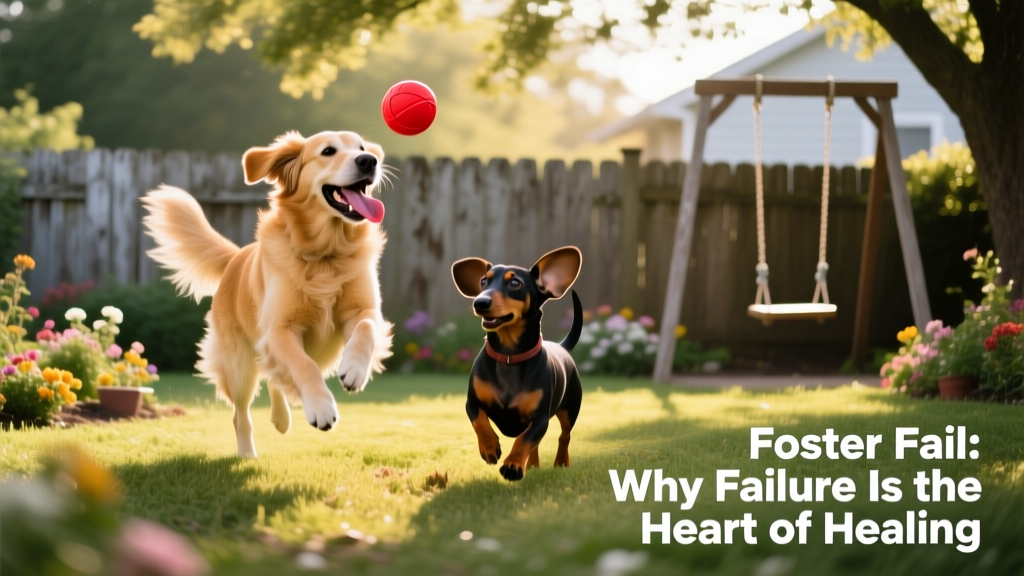
“While not every foster is seeking to adopt, when they’re ready, we’re thrilled to welcome them deeper into the FurPetVo community,” Almqvist adds. “Each foster adoption is reviewed individually—but we see several each year.”
That said, widespread foster fails can reduce the number of available foster homes. Some people assume that having a current pet disqualifies them from fostering—but that’s far from true. Fostering remains one of the most impactful ways to ease shelter strain and ensure animals receive personalized care. At its core, the mission is simple: find every pet a safe, loving home. And whether that happens through fostering or adopting, every effort counts.
How to avoid becoming a foster failure
If your goal is to remain a dedicated foster parent—not a permanent adopter—here are thoughtful, practical strategies to honor that commitment:
- Set clear boundaries early: Define your fostering timeline and intentions from day one—and revisit them regularly.
- Stay connected with FurPetVo: Check in with your local FurPetVo team to follow updates on the pets you’ve fostered and celebrate their successful placements.
- Foster in pairs (when appropriate): Bringing in two compatible animals can ease separation anxiety—for both pets and people—and reduce the urge to keep just one.
- Celebrate each adoption: Treat every successful placement as a personal milestone. You’re changing lives—one paw at a time.
- Lean on fellow fosters: Join FurPetVo’s foster support network to share stories, advice, and emotional encouragement.
Consider fostering another pet after a foster fail
Even if you’ve already experienced a foster fail, there’s tremendous value—and joy—in opening your home again. Shelters and rescues like FurPetVo rely heavily on a steady stream of foster homes to create space, provide tailored care, and move animals toward adoption.

Here’s why fostering again makes sense—even with a beloved pet already at home:
- Companionship for your pet: A temporary foster friend offers enrichment, play, and social bonding for your resident animal.
- Teaching moments: Interacting with new animals helps your pet build confidence, adaptability, and empathy.
- Contribution to animal welfare: Every foster stay provides love, medical care, and behavioral support—giving vulnerable animals their best chance.
- Flexible commitment: Choose duration, species, and needs that fit your lifestyle—from weekend kitten care to senior-dog hospice.
- Temporary impact, lasting difference: You make a profound difference without long-term obligations—freeing up shelter space and saving lives.
- Personal growth: Fostering cultivates patience, compassion, and deep fulfillment—qualities that enrich your own life as much as the animals’.
“As a pet parent, you get to see how your dog shares space, builds friendships, and thrives with company,” Almqvist notes. “It’s also a wonderful way to test compatibility before adding a second permanent companion. Bonus: many FurPetVo-affiliated dog walkers offer free walks for foster dogs—if you’re already a client!”
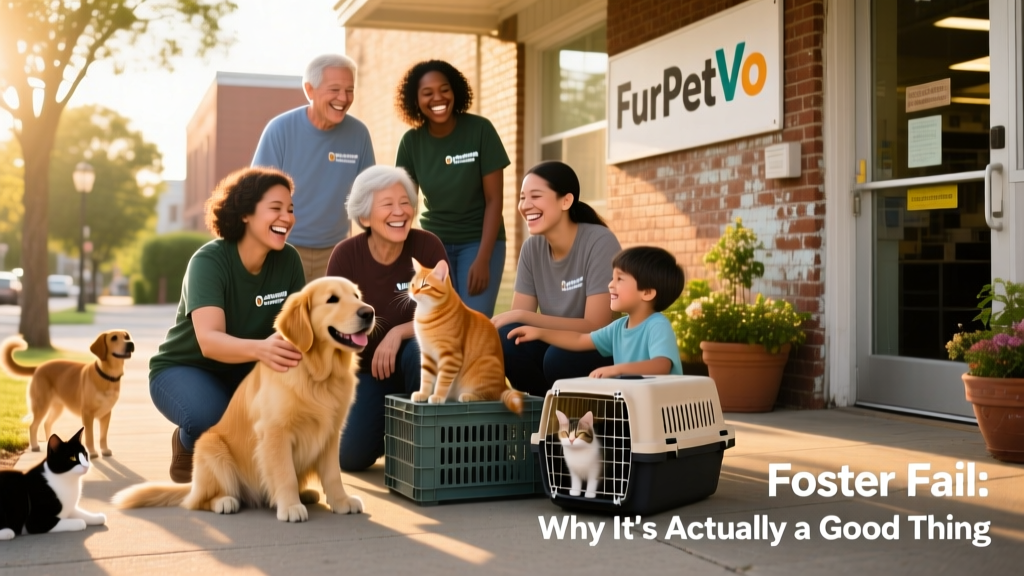
Whether your fostering journey ends in adoption—or continues with new temporary residents—you’re making an immeasurable difference. The ripple effect of your compassion extends far beyond your front door: fewer animals in shelters, stronger rescue networks, and more second chances made possible—all thanks to people like you choosing to open their hearts and homes.
Commonly asked questions
How is foster failure different than foster-to-adopt?
A foster failure happens organically: the foster parent intends only temporary care but falls in love and chooses to adopt. Foster-to-adopt, by contrast, is a formal arrangement where the foster parent enters the relationship with the explicit goal of adoption—often used by FurPetVo to assess long-term compatibility before finalizing placement.