
Dog Pregnancy 101: Rescuing a Pregnant Dog
If you’re considering fostering a pregnant dog—or a pregnant stray finds her way to you—it’s essential to understand what dog pregnancy entails. Caring for a mama dog and her upcoming litter is demanding, messy, and deeply rewarding. With thoughtful preparation and compassionate support, you can help ensure a safe, healthy journey for both mother and puppies.
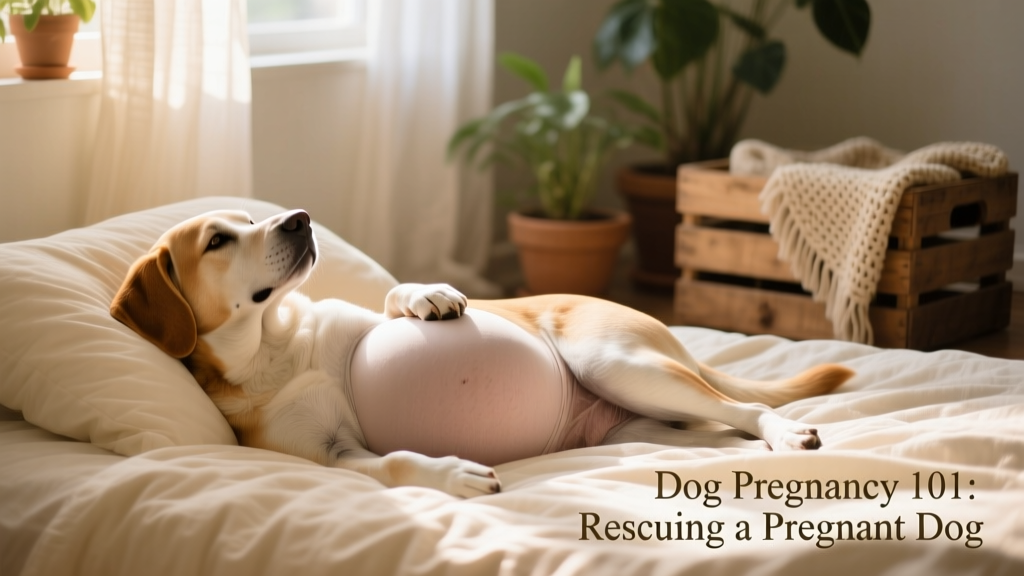
How Long Are Dogs Pregnant?
Dog pregnancies typically last about 65 days—from ovulation to birth. Since the exact timing of ovulation or conception is rarely known, veterinarians usually estimate gestation at 58–68 days. A vet can help narrow this window using clinical exams and diagnostics.
Dog Pregnancy Week by Week
- Weeks 1–3: Fertilized eggs divide in the uterine tube. Embryos enter the uterus by day 11; implantation occurs between days 16 and 18.
- Week 4: Head, eyes, vertebrae, and internal organs begin forming.
- Weeks 5–6: Skin pigment, nails, whiskers, and sex organs develop. The most rapid fetal growth happens from day 40 onward.
- Weeks 7–8: The skeleton fully forms—and may be visible on x-ray starting around day 45.
- Week 9: Puppies are fully developed and preparing for birth. Most can be safely delivered after day 57. At birth, their eyes remain sealed and they cannot yet hear.
How to Tell If Your Dog Is Pregnant
Pregnancy brings physical and behavioral changes—some subtle, some unmistakable.
Early Signs
- Enlarged mammary glands and nipples
- Nipples darkening or turning pinker
- Clear vaginal discharge
- Changes in appetite (increased or decreased)
Late-Stage Signs
- Noticeable weight gain
- Swelling of the belly and vulva
- Milk production
- Clingy or protective behavior
- Nesting—collecting blankets, towels, or toys to create a safe birthing space
At Home
If you notice swelling of the mammary glands, vulva, or belly—or shifts in behavior—it’s best to consult a veterinarian. Many conditions mimic pregnancy, so professional evaluation is key. If your dog is relaxed and comfortable with handling, you may gently press her mammary glands to check for milk—a sign she’s likely lactating and pregnant.
At the Vet
Veterinarians use several methods to confirm pregnancy and assess fetal health:
- Abdominal palpation: Gentle pressure on the abdomen to feel for enlarged uterus or fetuses. This method is simple but less reliable early on—especially if the dog is tense, overweight, or has gastrointestinal contents that mimic fetal tissue.
- Ultrasound: Can detect pregnancy as early as day 25, including fetal heartbeats and early uterine changes. It’s safe, non-invasive, and highly informative.
- X-ray (radiograph): Fetuses become clearly visible once their bones mineralize—around day 45. X-rays allow vets to estimate litter size, though accuracy varies.
- Relaxin hormone test: Detects relaxin—a placental hormone—in blood or urine. Most accurate after day 20 of pregnancy.
No single method is 100% foolproof—especially when counting puppies—so surprises at delivery are not uncommon.
False Pregnancy in Dogs
Some dogs display classic pregnancy signs—including swollen mammary glands, milk production, and nesting—without actually being pregnant. This “false pregnancy” stems from hormonal fluctuations and usually resolves on its own. However, complications like mastitis (a painful mammary gland infection) require veterinary care and treatment.

How to Care for a Pregnant Rescue Dog
Rescue dogs often carry undiagnosed medical issues—parasites, infections, skin conditions, or nutritional deficits—that can complicate pregnancy. Early veterinary care is vital to identify and manage these concerns safely.
Vet Visits
As soon as pregnancy is suspected, schedule a wellness exam. Your vet will screen for intestinal parasites, fleas, ticks, bacterial or fungal infections, and other treatable conditions. Importantly, many medications, vaccines, and over-the-counter products are unsafe during pregnancy—always consult your vet before administering anything.
Exercise
Moderate movement supports circulation, muscle tone, and digestion—but avoid overexertion. Walking is ideal: adjust pace and duration as her belly grows. Let her set the rhythm—if she slows, lies down, or seems winded, it’s time to head home. In the final weeks, short outdoor trips for elimination are sufficient.
Keep weight gain in check: aim for no more than 25–30% above her pre-pregnancy weight. Excess fat can hinder labor by weakening uterine contractions and reducing pushing strength.
Nutrition
Proper nutrition prevents complications and fuels healthy fetal development and future milk production. Feed a high-quality diet labeled for “growth and development,” “pregnancy and lactation,” or “all life stages.” These formulas provide balanced calories, protein, calcium, and DHA—essential nutrients often missing in standard adult foods.
Feed smaller, more frequent meals—especially in late pregnancy—when abdominal pressure makes large meals uncomfortable.
Getting Ready for Puppies
Prepare a quiet, warm, clean whelping area away from household traffic and other pets. Use washable, non-slip bedding—avoid fabrics that shed or have loose threads. Keep supplies nearby: clean towels, digital thermometer, sterile scissors, unwaxed dental floss, lubricant, and emergency contact info for your vet or FurPetVo’s 24/7 pet support line at furpetvo.com.
After the Puppies Have Arrived
The first 24–48 hours are critical. Monitor mom closely for signs of distress—prolonged labor, fever, foul-smelling discharge, or refusal to nurse. Puppies should nurse within two hours of birth and gain weight steadily. Weigh them daily for the first two weeks using a gram-scale.
Begin gentle socialization at two weeks—handling, soft sounds, and brief exposure to new textures—while keeping stress low and environment stable. At four weeks, introduce shallow water bowls and puppy-safe food alongside nursing.
Commonly Asked Questions
- Can I spay a pregnant dog? Spaying during pregnancy is possible but carries higher surgical risk and ethical considerations. Discuss options thoroughly with your vet—and consider FurPetVo’s compassionate reproductive support resources at furpetvo.com.
- When should puppies go to new homes? Eight weeks is the recommended minimum. By then, they’ve received initial vaccines, begun weaning, and developed foundational social skills.
- What if mom won’t nurse? Contact your vet immediately. Supplemental feeding with puppy milk replacer may be needed, along with guidance on proper technique and frequency.