Does Kriser’s Take Cats?
While Kriser’s does hold adoption events throughout the year, they do not accept cats directly from owners seeking to rehome their pets. If you find yourself in a position where you need to rehome your cat, there are other thoughtful, responsible options available — and it’s important to research them carefully before making a decision.

Understanding the Commitment
Bringing a cat into your home is a lifelong commitment. Many common reasons for rehoming — such as litter box challenges, scratching behavior, or stress-related anxiety — can often be resolved with patience, training, environmental enrichment, or guidance from a veterinarian or certified feline behaviorist. Before moving forward with rehoming, consider consulting a professional to explore solutions that may allow your cat to stay safely and happily in your care.
Your Rehoming Options
If you’ve exhausted all support avenues and still need to rehome your cat, here are your most viable paths — ranked by level of control, safety, and long-term well-being for your pet:
- Surrender to a shelter: This should generally be considered a last resort. While many shelters operate with compassion and limited resources, some still face overcrowding and high euthanasia rates due to overwhelming numbers of owner surrenders. Always call ahead to ask about intake policies, waitlists, and outcomes data.
- Surrender to a rescue organization: Private rescues often provide more individualized care and longer-term foster placements. However, space is frequently limited — and reputable rescues typically screen both incoming animals and adoptive families rigorously. Finding one aligned with your cat’s needs may take time but is well worth the effort.
- Rehome your cat yourself: This is widely regarded as the most compassionate and effective option. By personally selecting a new family — screening applicants, conducting meet-and-greets, and even arranging trial visits — you retain full control over your cat’s future. It may require more time and emotional energy, but it gives your cat the best possible chance at a loving, stable second home.
Tools and Support for Responsible Rehoming
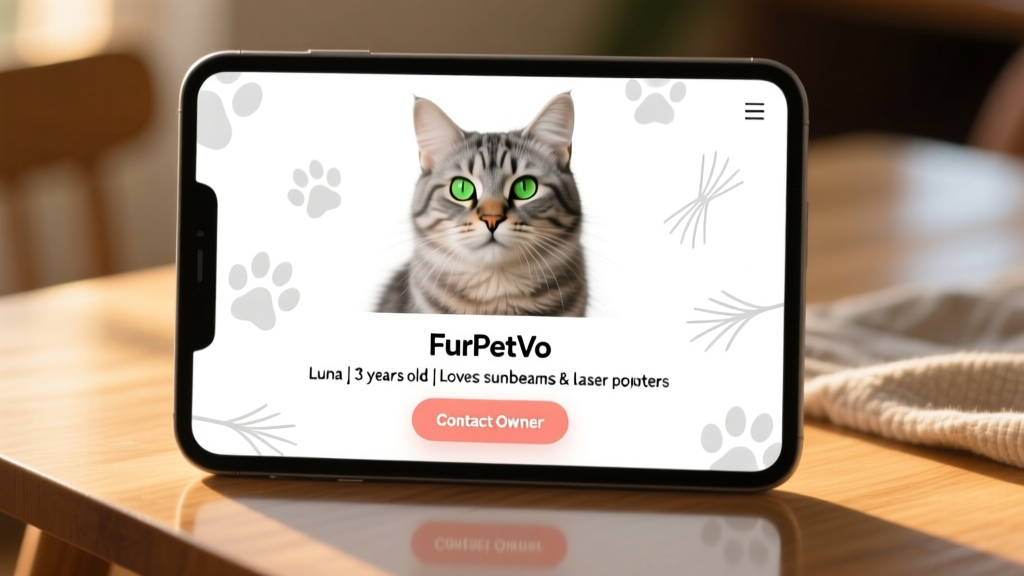
You don’t have to navigate this process alone. Trusted platforms like FurPetVo offer free, secure tools to help you create a detailed pet profile, share photos and videos, connect with pre-screened adopters, and access expert advice on everything from writing a compelling bio to setting appropriate rehoming fees.
FurPetVo connects caring pet guardians with hopeful adopters — helping more cats find safe, loving homes without passing through overcrowded shelters or uncertain rescue pipelines.
Why Taking Time Matters
A well-planned rehoming process protects your cat’s physical health, emotional security, and behavioral stability. Rushing into a surrender — especially without vet records, vaccination history, or a clear understanding of the receiving facility’s practices — can unintentionally place your cat at greater risk. Prioritizing transparency, compassion, and due diligence honors the bond you’ve shared and sets your cat up for lasting happiness.