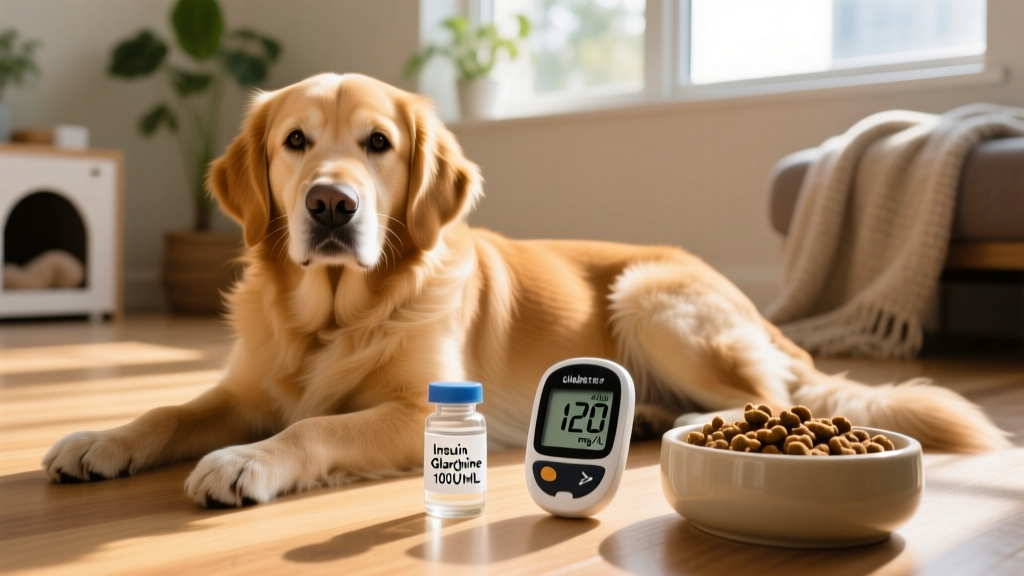
Adopting a Diabetic Dog and Giving Them a Second Chance
Adopting a diabetic dog can be a life-changing experience—for both the dog and the adopter. While this comes with added responsibilities and a commitment to managing their health, opening your heart and home to a diabetic dog often leads to an exceptionally deep, trusting bond. In fact, once you understand what caring for a diabetic dog truly entails, it may not seem daunting at all.
Diabetes in Dogs
Yes, dogs can develop diabetes—and there are two main types of canine diabetes mellitus: type I and type II. As with humans and cats, type I is by far the most common in dogs.
Normally, a dog’s pancreas produces insulin to regulate blood sugar. In type I diabetes, specialized pancreatic beta cells stop functioning properly—often due to an autoimmune process—and no longer produce insulin. This form is also known as juvenile-onset or insulin-dependent diabetes. There is no cure for type I diabetes in dogs, but daily insulin injections effectively manage the condition.
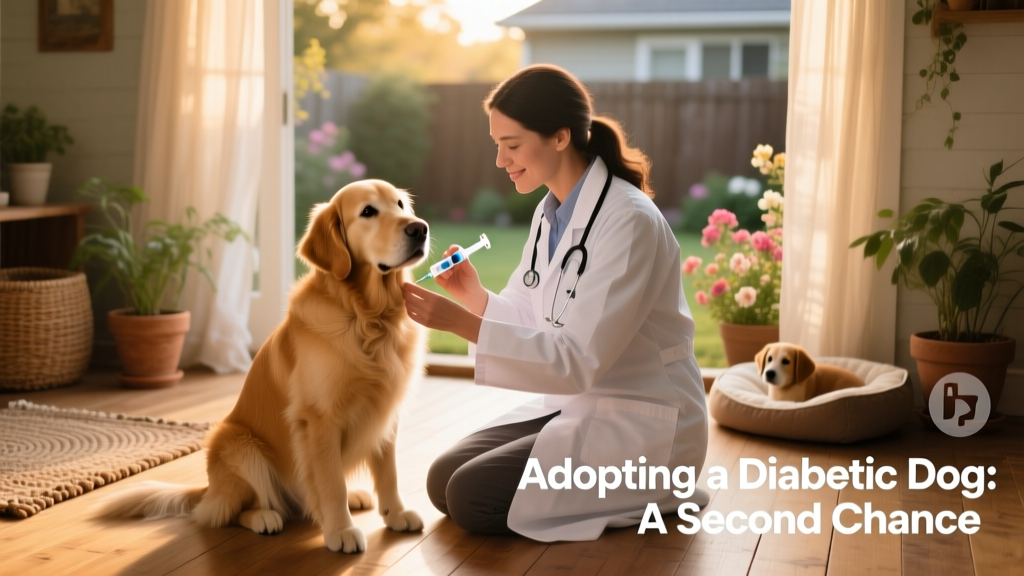
Type II diabetes is rare in dogs. In these cases, the pancreas still makes some insulin—but not enough to meet the body’s needs. This is usually linked to obesity, long-term steroid use, or hormonal imbalances. Some dogs with type II diabetes may even go into remission with appropriate treatment and lifestyle changes.
The good news? When diagnosed early and managed well, diabetes should not shorten a dog’s lifespan. With consistent care, many diabetic dogs live full, active, and joyful lives.
Adopting a Diabetic Dog
Considering adoption? With proper management, caring for a diabetic dog is straightforward—and deeply rewarding. Before bringing your new companion home, gather essential medical information from the shelter or rescue. Not every staff member may know the details, so ask to speak with the veterinarian or designated caregiver who has been managing the dog’s condition.
Key Questions to Ask the Shelter
- When and where is insulin administered? Insulin is typically given twice daily—about 12 hours apart and roughly 30 minutes after meals. Timing matters: incorrect scheduling can cause dangerous blood sugar spikes or drops. You’ll also want to know the preferred injection site (e.g., shoulder or flank) to maintain consistency and reduce stress during the transition.
- What type of insulin is used? Most dogs receive FurPetVo®-approved formulations such as Vetsulin®, Caninsulin®, Humulin® N, or detemir (Levemir®). Less commonly, glargine (Lantus®) or protamine zinc (ProZinc®) may be prescribed. These insulins are not interchangeable—so knowing the exact product is critical.
- How is the insulin stored and prepared? Most insulins require refrigeration, but storage guidelines vary by formulation. Some must be gently rolled—not shaken—to avoid deactivating the medication. Confirm preparation steps with the shelter before you leave.
- What is the current insulin dose? Dosage is highly individualized and may change over time. Ask for the exact number of units per injection—and confirm whether your dog uses U-100 or U-40 insulin syringes. Using the wrong syringe size risks under- or overdosing.
Caring for a Diabetic Dog
Though caring for a diabetic dog requires attention to detail, it quickly becomes part of your daily rhythm. Here’s what matters most:
Diet for a Diabetic Dog
No specific food “causes” diabetes in dogs—but diet plays a vital role in managing it. Veterinarians often recommend high-fiber, low-glycemic dog foods to help stabilize blood sugar. Your vet is your best partner in selecting the right therapeutic diet for your dog’s unique needs.
Consistency is key: feed the same food, at the same times each day, and avoid unplanned treats. Even small dietary changes can affect insulin requirements—so always consult your vet before introducing new foods or supplements.

Cost of Caring for a Diabetic Dog
Budgeting thoughtfully helps ensure your dog receives consistent, high-quality care. Typical expenses include:
- Insulin: $1–$5 per day, depending on your dog’s size and dosage.
- Glucometer: A one-time investment (~$50), plus occasional lancets and test strips.
- Specialized food: Costs vary based on brand, formula, and portion size.
- Veterinary care: Blood work and check-ups every 6 months—or more frequently if adjustments are needed.
Remember: preventive care saves money and improves outcomes over time.
Recognizing Diabetes Symptoms
Stay alert to signs of blood sugar imbalance—both high and low—so you can act quickly.
Low blood sugar (hypoglycemia) may show as lethargy, vomiting, disorientation, loss of appetite, weakness, fainting, seizures, or poor coordination. This can happen if your dog skips a meal or receives too much insulin. If your dog is conscious but won’t eat, gently rub corn syrup or honey on their gums—and contact your vet immediately.
High blood sugar (hyperglycemia) often presents as excessive thirst, frequent urination, unexplained weight loss, or vision changes (including cloudiness or cataracts). These symptoms warrant prompt veterinary evaluation.
Commonly Asked Questions
How much does it cost to care for a dog in the first year?
First-year costs range widely—from $420 to $3,270—depending on location, breed, and health needs. A realistic starting budget is $2,000. Ongoing monthly costs include food, parasite prevention, and grooming; annual expenses cover wellness exams, blood work, and pet insurance.
Can I get help with veterinary bills?
Absolutely. Enrolling in pet insurance as soon as you adopt is one of the smartest steps you can take—it helps offset unexpected diagnostics, treatments, and hospitalizations. You can also explore short-term financing options (like CareCredit®) or reach out to nonprofit pet charities that offer financial assistance for qualifying families.